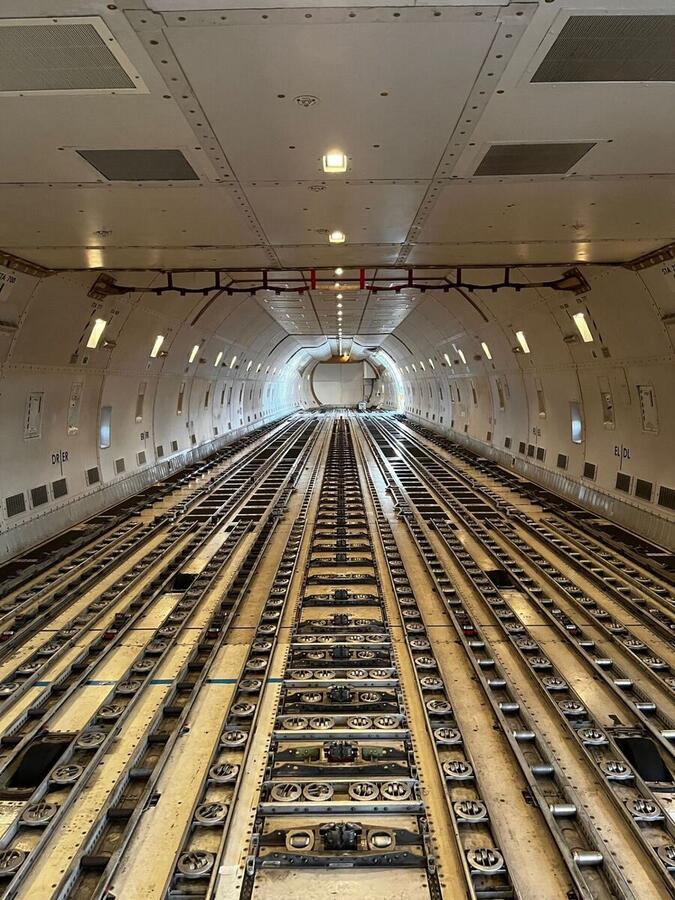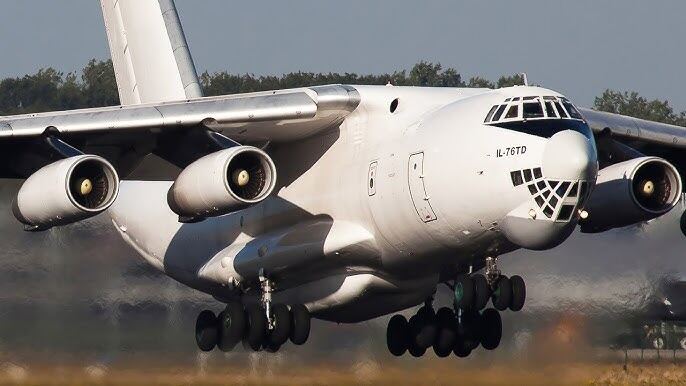
Chartering a freighter is more straightforward than most first-time shippers expect. The complexity sits with the charter desk and the operator; your part is to describe the cargo accurately and make decisions promptly. Here is the whole sequence.
Step 1, Scope the cargo (you)
Everything follows from an accurate cargo description: gross weight, dimensions of every oversized piece, total piece count, commodity, packaging, whether it is dangerous goods, temperature or security requirements, origin and destination, and the earliest ready date. Rough numbers are fine at first contact; they get firmed up before contracting. Understating weight or dimensions is the single most common cause of problems later, load plans, permits and even the aircraft choice depend on them.
Step 2, Aircraft selection (us)
The desk works backwards from the largest single piece and the loading method, then confirms payload over the sector, then checks both airports for runway, pavement strength and ground handling equipment. Only after that does it look at which suitable aircraft are actually available and where they are positioned. Aircraft availability, not aircraft capability, is often what decides the final recommendation.
Step 3, Quotation
You receive a quote naming the aircraft type, routing including any technical stops, estimated block time, inclusions and exclusions, and validity period. Charter quotes are time-limited because the aircraft is a live asset that can be sold to someone else. Check what is included: loading and handling, permits, ground moves, waiting-time allowance, and who bears the cost of a delay caused by the shipper.
Step 4, Confirmation and contracting
On acceptance, a charter agreement is issued covering the routing, aircraft, payment terms, cancellation terms and liability. Cargo charter is normally payable in advance of flight, which is standard commercial practice across the industry, the operator commits its aircraft against your booking. Read the cancellation schedule carefully; it tightens sharply as the flight approaches.
Step 5, Permits and ground arrangements
Overflight and landing permits are filed, slots requested, ground handling and loading equipment booked at both ends, and customs formalities arranged. Where the cargo is dangerous goods, the declaration and operator approval run in parallel. This is the stage where lead time gets consumed, and it is the reason accurate documentation matters more than speed of decision.
Step 6, Documentation
You will need a commercial invoice and packing list, the air waybill, export and import customs entries, dangerous goods declaration where applicable, and any commodity-specific permits. Documentation errors ground shipments more often than weather does. See what information is needed for a cargo charter quote.
Step 7, Loading and flight
Cargo is delivered to the handler by the agreed cut-off, built onto aircraft pallets or ULDs, weighed and load-planned. The operator's load control team issues the final load instruction. Once loaded, the aircraft departs against its slot and permits and you are updated at departure, en route milestones and arrival.
Step 8, Arrival, clearance and delivery
On arrival the aircraft is offloaded, customs cleared and either handed to your consignee at the airport or trucked onward. Proof of delivery closes the file.
What to check before you commit
That the operator holds the appropriate air operator's certificate and insurance for the routing; that the quote names an aircraft type rather than a vague promise of capacity; that loading equipment exists at both airports; and that the cancellation and delay terms are ones you can live with. A charter desk that answers those questions directly is one you can rely on.