A cargo charter quote is only as good as the information behind it. Four things get you an aircraft type quickly; the rest firms up the price and removes surprises. You do not need all of it to start. Send what you have and we will work the gaps with you.
The four essentials
**1. Routing.** Origin and destination, as airports if you know them. If you only know cities or a factory address, say so. We will identify the workable gateways and flag any road legs.
**2. Gross weight.** Total chargeable weight including packaging, pallets and cradles. An estimate is fine at first contact; it must be firm before the load plan.
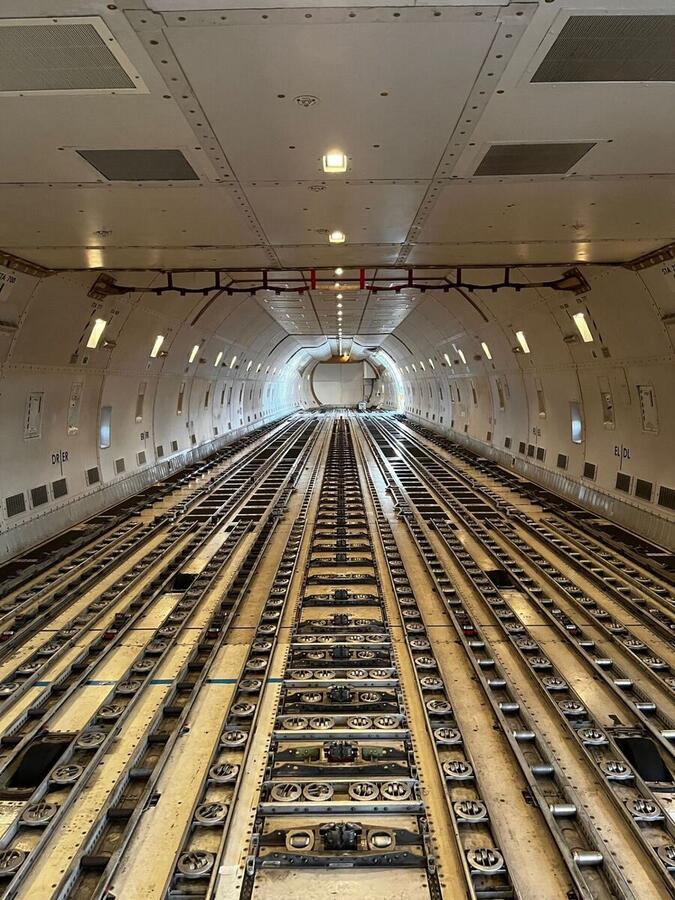
**3. Dimensions.** Length, width and height of the largest single piece at its widest points, including protective framing. This decides door and deck compatibility, and it decides the aircraft more often than weight does.
**4. Ready date.** When the cargo is physically available at origin, packed and documented. Flexibility here is frequently worth more than negotiating the rate, because it lets us match your cargo to an aircraft already coming through the region.
Detail that firms up the price
**Piece count and a piece list** with individual dimensions and weights, the basis of the load plan.
**Commodity.** What it actually is. This drives permits, customs treatment, handling requirements and insurance.
**Dangerous goods status.** UN numbers, classes, packing groups and net quantities where applicable. See dangerous goods on charter aircraft.
**Packaging condition.** Crated, palletised, on a stand, shrink-wrapped or loose, and whether it is already air-ready.
**Special requirements.** Temperature control, security escort, time-definite delivery, customs status at origin, or a nominated handler.
**Delivery deadline** and what happens commercially if it is missed. This tells us whether to optimise for cost or for certainty.
**Contact and authority.** Who can approve commercially, and their reachable hours. On urgent movements this matters as much as the cargo detail.
For outsize or project cargo, add
A dimensioned drawing, centre of gravity, certified lifting points, contact footprint, and whether the piece can be tilted or partially disassembled. See how to move oversized cargo by air.
What you get back
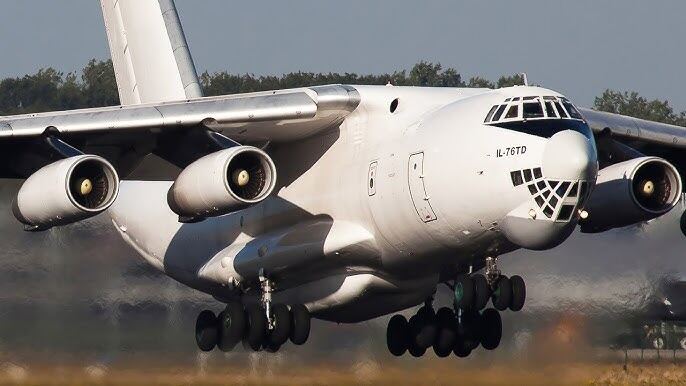
A named aircraft type, the routing including any technical stops, estimated block time, inclusions and exclusions, validity period and a realistic activation window. If a smaller or different aircraft would do the job for less, we will say so rather than quote the biggest option on the list.
Already have an RFQ document?
Send it as it is. Packing lists, manifests, drawings, spreadsheets or photographs from your phone are all fine. We would rather read your existing paperwork than have you retype it into a form.