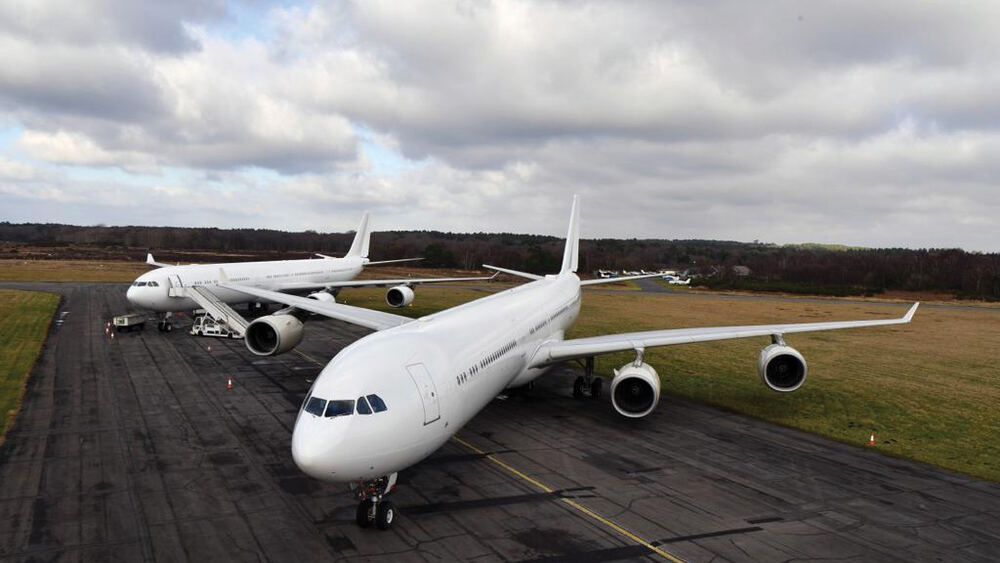
Charter aircraft on a remote northern Australian runway
    24/7 Operations Desk · Active Now

    FIFO · Kimberley, Western Australia

    Kimberley FIFO Charter Flights

    Long sectors, limited infrastructure and a wet season that rewrites the plan for months at a time.

    Already have an RFQ prepared? Email charters@aviall.com.au

    BME · KNX · DRB
    Regional gateways
    Wet season
    Planned around, not ignored
    Long sectors
    Range-capable aircraft
    24/7
    Charter desk

    The Kimberley planning problem

    The Kimberley combines the two things that make workforce aviation difficult: distance and thin infrastructure. Sectors from Perth are long, the region is vast, and destinations range from sealed regional airports at Broome and Kununurra down to short unsealed strips with no services at all. Aircraft selection here genuinely determines whether a rotation is possible, not merely whether it is economic.

    The wet season then changes the rules for several months. Unsealed strips can become unusable at short notice, road access to and from aerodromes is frequently cut, and a plan that works comfortably in the dry can fail repeatedly between roughly November and April. Programs that survive the wet are the ones designed with alternates and contingency built in from the start.

    The work itself is also more varied than pure mining. Resources and energy sit alongside agriculture and pastoral operations, infrastructure and construction projects, remote community programs and tourism-linked seasonal work, each with different crew sizes and different tolerance for schedule variation.

    Gateways, sectors and alternates

    Broome and Kununurra are the practical regional gateways, with Derby, Halls Creek and Fitzroy Crossing serving specific corridors. Perth and Darwin are both realistic origins depending on where a workforce is drawn from, and Darwin is frequently the shorter and more reliable option for the eastern Kimberley.

    Because sectors are long, range and payload interact. A fully loaded aircraft on a long remote sector with limited fuel uplift at the destination may need a payload reduction or a fuel stop, which is exactly the kind of constraint that should be identified when the program is designed rather than on the morning of a flight.

    • Origins, Perth (PER) and Darwin (DRW), sometimes Broome for intra-region work
    • Gateways, Broome (BME), Kununurra (KNX), Derby (DRB)
    • Remote strips, many short, unsealed and without services or fuel
    • Alternates, planned in advance for both weather and strip serviceability

    Wet season programs that hold

    Between November and April, the useful question is not whether disruption will happen but how the program absorbs it. In practice that means favouring sealed destinations where possible, nominating alternates, allowing realistic buffers around shift changeovers, and having an agreed escalation route so a stranded crew is a phone call rather than a crisis.

    It also means being honest about what cannot be promised. A charter into an unsealed strip during the wet may be cancelled on the day for good reason. Programs that plan for that, with a fallback into a sealed gateway plus ground transfer, or a shifted rotation day, lose far less time than those that treat every flight as certain.

    Aircraft and crew sizes

    Aviall Group is not an aircraft operator. We source across a wide operator base, including operators with genuine remote-strip experience and approvals in northern Australia, and shortlist on suitability for the specific aerodrome and season.

    Crew sizes in the Kimberley are typically smaller than in the Pilbara, so turboprops dominate. Larger mobilisations for construction or project phases bring regional jets into play where a sealed airport is available.

    • Small turboprops (up to 19 seats), remote strips, pastoral and community work
    • Mid-size turboprops (30–70 seats), the standard for regional rosters
    • Regional jets (70–100 seats), larger project mobilisations into sealed airports
    • Combination movements, a trunk sector plus a light aircraft leg to site

    Aviall's role

    We arrange dedicated aircraft charter capacity. We are not the aircraft operator, the construction contractor or the travel management company. Every movement is flown by an appropriately approved operator chosen for the route, the aerodrome and the season.

    Enquiries here come from resources and energy operators, infrastructure contractors, government and community programs, pastoral businesses and travel managers coordinating on their behalf. We work to whichever interface already exists.

    What our desk handles on Kimberley rotations

    Remote strip assessment

    Runway, surface, services and operator approvals confirmed before quoting.

    Wet season contingency

    Alternates, buffers and fallback routings designed into the program.

    Range and payload checks

    Long sectors modelled against fuel availability at destination.

    Origin comparison

    Perth against Darwin, based on where the workforce lives.

    Combination routings

    Trunk sector plus light aircraft leg where no jet strip exists.

    Program pricing

    Rotation patterns priced for budgets and tender submissions.

    Seasonal campaigns

    Defined-period capacity for project and seasonal work.

    24/7 escalation

    One desk when weather or serviceability moves the plan.

    FIFO & workforce charter

    Have a FIFO requirement?

    Send us the requirement.

    We take both recurring programs and one-off movements. Estimates are enough to start. We come back with aircraft options, capacity and baggage feasibility, and indicative pricing you can put in front of a budget holder or a tender response.

    Recurring charter program

    Roster flying, workforce rotations, seasonal campaigns and scheduled corporate shuttles. Send the pattern and we price the program, not just a single flight.

    • 01OriginCrew source city or port
    • 02DestinationSite aerodrome or nearest town
    • 03Passenger countPer rotation, and peak numbers
    • 04Days of operatione.g. Monday and Thursday
    • 05Required departure timesOutbound and return windows
    • 06Program commencementFirst flight date, even approximate
    • 07Program duratione.g. 12 months, or campaign length
    • 08BaggageChecked allowance, tooling, freight in hold
    • 09FrequencyRotations per week or per swing
    • 10Additional requirementsRunway, compliance, aircraft preference
    Submit FIFO requirement

    One-off group movement

    A single group flight, a team, a tour, a conference, a delegation, an event crew or a shutdown surge. Five details are usually enough for a workable quote.

    • 01Origin and destinationAirports or cities
    • 02Passenger countPlus any staff or officials travelling
    • 03Dates and timesDeparture, return, and how fixed they are
    • 04BaggageChecked bags, sports gear, equipment, instruments
    • 05Group typeCorporate, sports, tour, event, government, education
    Request group charter quote

    Urgent charter? Our ops desk is staffed 24/7.

    Aircraft options within the hour and a written quote with an indicative wheels-up window.

    Kimberley FIFO, quick reference

    Common origins
    Perth (PER), Darwin (DRW)
    Gateways
    Broome (BME), Kununurra (KNX), Derby (DRB)
    Typical sector
    2–3 hours from Perth, shorter from Darwin to the east Kimberley
    Typical crew size
    10–70 per rotation
    Season risk
    November to April, strip serviceability and road access
    Common aircraft
    Small to mid-size turboprops, regional jets into sealed airports
    Response time
    Aircraft options and indicative pricing, usually same day

    FAQ

    Frequently Asked Questions

    Into sealed airports, generally yes. Into unsealed strips it depends on serviceability on the day, and cancellations do happen for legitimate safety reasons. We design programs with nominated alternates and fallback routings so a disrupted flight does not become a lost swing.

    Planning Kimberley rotations, including through the wet?

    Send origin, destination, passenger count, days of operation, departure times, commencement, duration, baggage and frequency. We return aircraft options and contingency planning.

    Have a live requirement?

    Send us the roster pattern, ports and headcount. We return a schedule and pricing basis. Attach an existing RFQ, packing list or photos straight from your phone, partial detail is enough to start.

    Requirement

    FIFO / Workforce

    AttachmentsRoster patterns, tender documents or an existing RFQ. Files up to 20MB each, 10 max. PDF, Word, Excel, CSV, images or email files.

    Goes straight to our charter desk at Charters@Aviall.com.au. Submitting an RFQ does not confirm an aircraft.