Air cargo demand in Asia-Pacific in 2026 is sitting structurally above where the freighter fleet was sized to deliver. Cross-border e-commerce out of China, semiconductor flows in and out of North Asia, perishables ex Australia and New Zealand, and a stubborn Red Sea diversion that is still pushing freight off the water onto wing, none of it is new, but together it has changed how early in the year the spot market starts to tighten.
From the desk side, the practical question is not 'how much capacity exists' but 'how much of it can actually be released to a third-party charter on the day you need it'. Those are very different numbers.
Where the widebody fleet sits
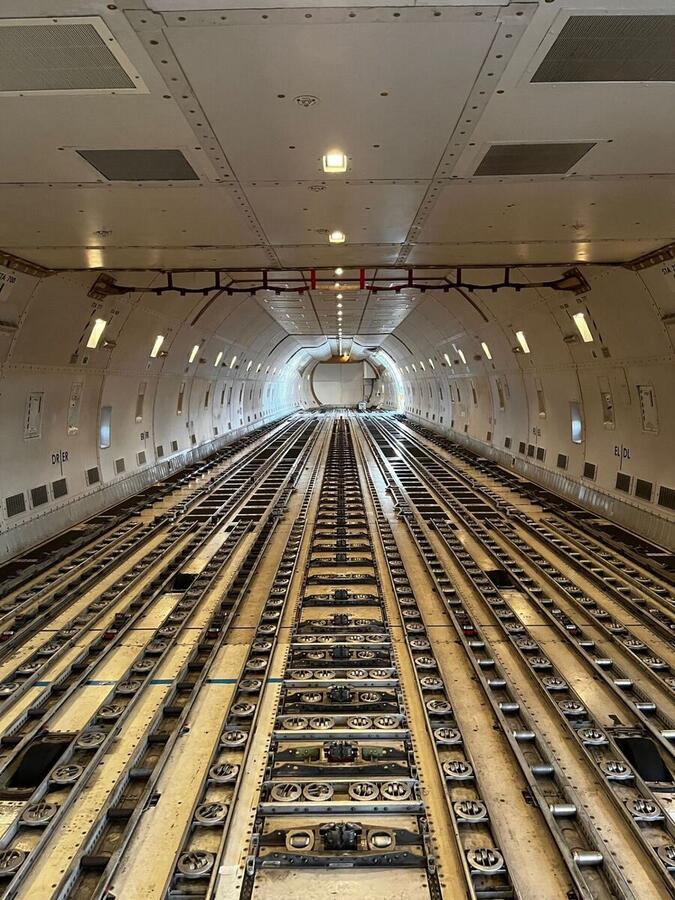
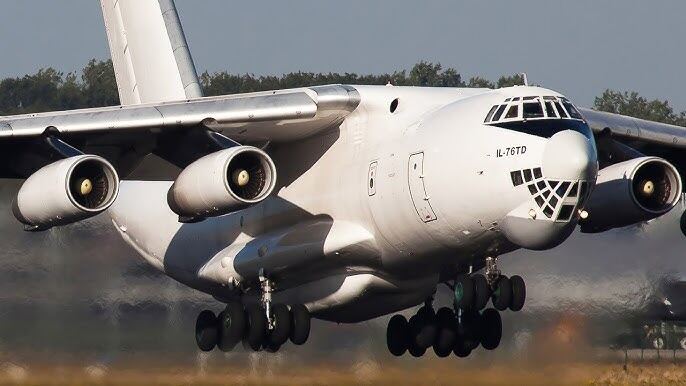
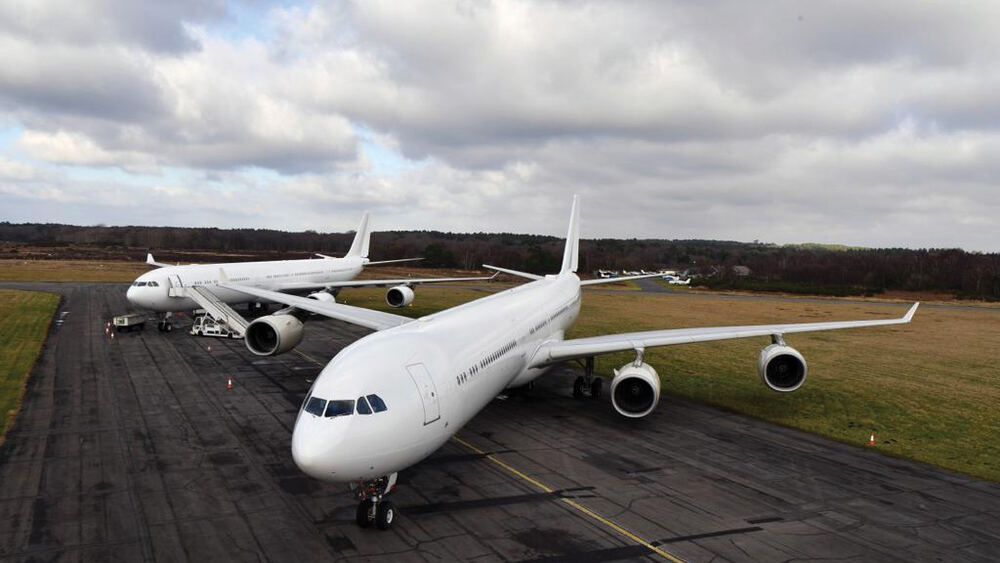
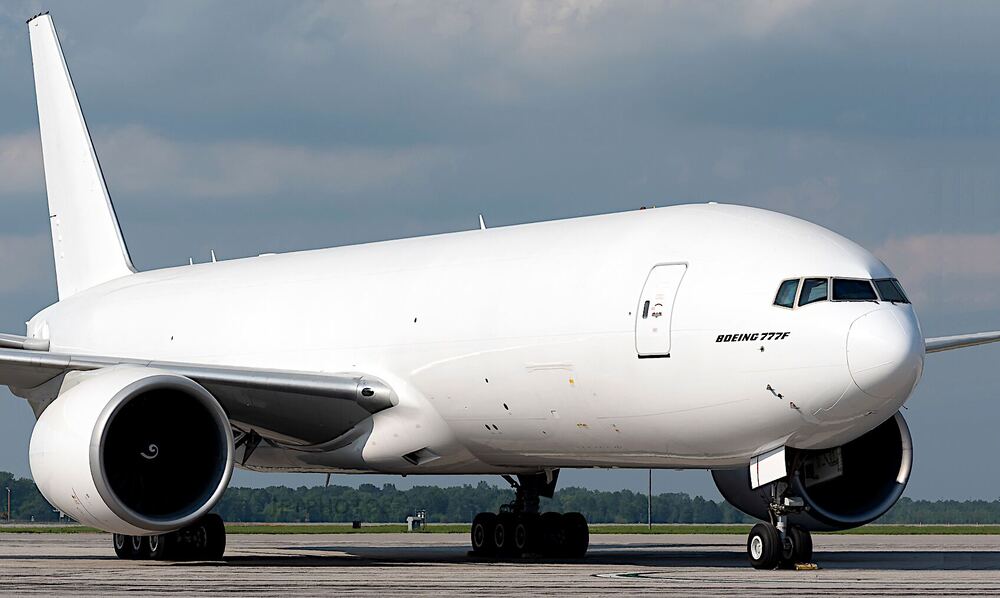
The active widebody freighter population serving Asia-Pacific in 2026 is dominated by a handful of types. Boeing 747-400Fs and 747-8Fs make up the upper end, concentrated with a small group of pure freight operators based in Hong Kong, Taiwan, Korea and the Gulf. The 777F has been the workhorse of the long-haul growth of the last decade and now sits across most major Asian network carriers, the integrators, and a growing pool of dedicated freight operators. The A330F population is smaller but increasingly relevant on regional and trans-Tasman lanes. Older types, MD-11Fs, 747-400 BCFs and a handful of 767Fs, still fly, mostly out of integrator hubs and on lower-density regional work.
On paper that fleet is large enough. In practice, well over 80% of it is locked into one of three things: scheduled freight networks, long-term ACMI contracts to integrators or to passenger combination carriers, or signed block-space deals with shippers and forwarders. The genuinely uncommitted spot fleet across the whole region on any given day is small, and it shrinks further the closer you get to peak.
What controls release to the charter market
Three things decide whether a given aircraft can actually be chartered out on a given day. The first is the operator's own scheduled program, block hours owed to network customers come ahead of opportunistic spot work, every time. The second is crew availability, specifically Flight Duty Period (FDP) state across the next 24-48 hours, which is much harder to flex than the airframe itself. The third is positioning: a 777F sitting at HKG can be working a Singles' Day rotation by tomorrow morning. The same aircraft sitting in CGN with a tech crew that needs rest is a different problem entirely.
These are the constraints that make 'is there a 777F available?' an almost meaningless question without a routing and a window attached to it.
Why the spot market is tightening earlier each year
Three years ago the regional spot market for widebody capacity got nervous in mid-October. In 2024 it was late September. In 2025 it was the first week of September on the Asia-EU lanes, and a couple of weeks earlier than that on Asia-US. The same pattern is showing up in 2026.
The drivers are not mysterious. Cross-border e-commerce continues to grow at high single-digit to low double-digit percentages, and is increasingly being moved on dedicated freighter programs rather than belly capacity. Forwarders that historically waited until October to chase spot lift have learned that lesson and are signing block-space deals in Q2. That removes capacity from the pool the rest of the market is competing for in Q4.
What this means in practice
If your business depends on widebody freighter access into or out of Asia-Pacific in the back half of any year, the implication is straightforward. The shippers that come through Q4 without paying a premium are the ones that locked their requirement into a contracted program in Q1 or Q2. The shippers that wait for the spot market are increasingly buying whatever is left after everyone else has built their network.
From the charter desk side, the work in 2026 is less about finding aircraft on the day and more about being early. Holding live availability across the operator base, knowing which contracts are coming up for renewal, and being on the phone with planners months before the customer realises they have a problem.