Shippers with predictable, year-round volume rarely think about charter. The cargo moves on the network, the rate is in the contract, and the conversation only happens when something breaks. The interesting decisions happen at the edges, peaks, project lifts, time-critical work, where the choice between scheduled freighter, passenger belly, and on-demand charter genuinely matters.
From the desk side, the trade-offs are reasonably stable across years. The aircraft change. The economics do not.
Scheduled freighter: the default for predictable density
If your tonnage is predictable week to week and your service-level requirement is 'on the next available rotation', scheduled freighter capacity is almost always the cheapest answer per kilo. The operator amortises the airframe across a network. You buy a slot on it. The economics work because the aircraft is full, or close to it, on most rotations.
Where it stops working is exception scenarios. Scheduled freighter networks are built around weekly volume curves, not around the day you suddenly need 30 tonnes on a lane the operator runs three times a week. By the time you call, the next rotation is full or your cargo is at the back of a long priority queue.
Passenger belly: useful, often mis-sold
Passenger widebodies into and out of Asia-Pacific carry meaningful amounts of cargo in their lower holds. On well-served lanes (HKG-LHR, SIN-FRA, SYD-LAX) the belly market is genuinely competitive and rates can be attractive, especially for general cargo without unusual handling needs.
The honest limitations are size, schedule reliability, and prioritisation. Belly cargo loads are constrained by the LD3, LD7 and PMC envelope of the underfloor hold, which means anything tall, dense or oddly shaped is either off the table or a logistical headache. Belly slots are released by passenger network planners on commercial terms that change with the season. And in any disruption, weather, an AOG, a crew issue, passenger ops takes priority and cargo is the variable that gets cut. For high-value or time-critical cargo, that risk profile is often hidden in the rate.
Charter: when only the airframe will do
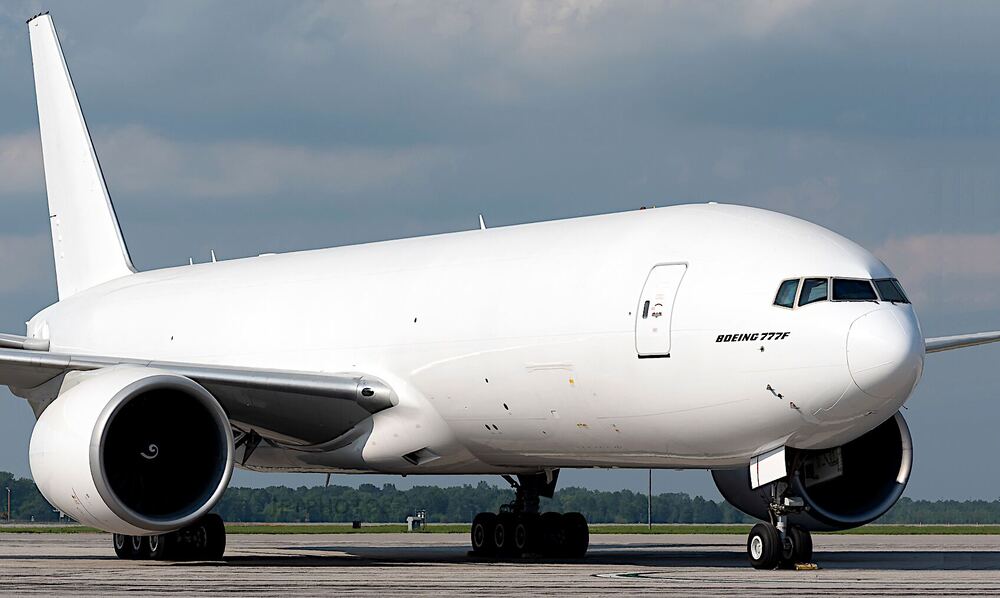
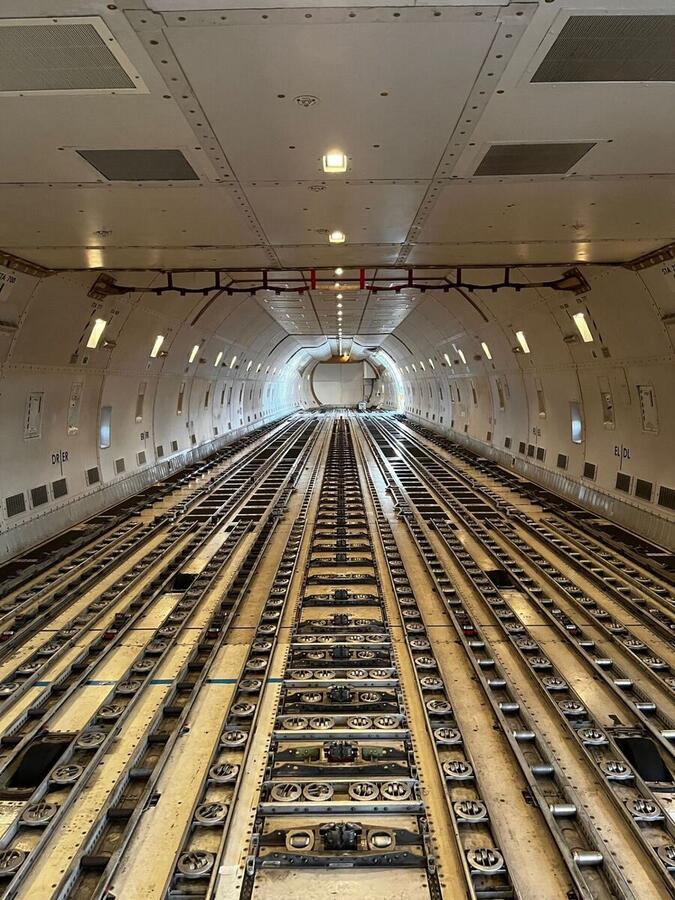
Charter becomes the right answer when the requirement breaks one of the assumptions the scheduled networks are built on. The volume is too large or too dense for belly. The timing is too tight for the next scheduled freighter rotation. The origin or destination is not on a useful network. The cargo is outsized, has special handling, or needs to fly with its supporting kit as a single consolidated lift. Or the customer simply cannot afford the schedule risk of belly capacity in a peak window.
Charter rates per kilo are higher than scheduled or belly. They look high in isolation. They look entirely reasonable next to the cost of a missed production window, a delayed launch, an AOG aircraft sitting on a ramp, or a contractual penalty that triggers because the cargo did not arrive.
Hybrid models that quietly do most of the work
Most of the sophisticated cargo programs we run are not pure charter. They are hybrids. A baseline of scheduled freighter or block-space against predictable volume, plus contracted call-off charter capacity for peaks, plus a working relationship with the desk for genuine spot work. The charter component is sized around the parts of the demand curve the network cannot economically serve.
Run that way, charter stops being a panic buy and becomes a planned exception channel. The customer gets the cost discipline of network capacity for the bulk of their volume and the responsiveness of charter for the edge cases that decide whether they hit their commitments.
How to think about the decision
Three questions usually settle it. Is this volume predictable enough to put on a network? If yes, contract it there. If no, what is the cost of the cargo not arriving on time? If that number is low, take the schedule risk. If it is high, pay for the certainty. And finally, are you going to be in this position regularly? If yes, build a charter relationship before you need it, not in the hour you do.