Charter into Australia, across the Tasman, and out into the Pacific is a category of work that gets pitched as routine and operates as anything but. The geography is forgiving on a map and unforgiving in practice. Long over-water legs, limited diversion options, fuel uplift constraints at outstations, customs regimes that take their job seriously, and weather windows that do not negotiate. The aircraft and operators that can do this work well are a smaller pool than the marketing suggests.
Aircraft selection is mostly geography, not preference
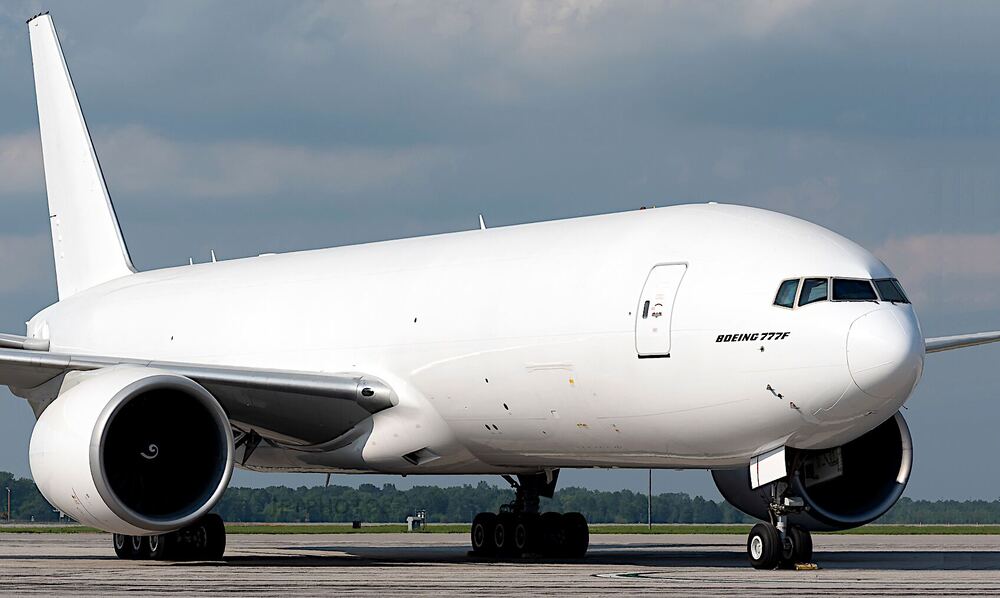
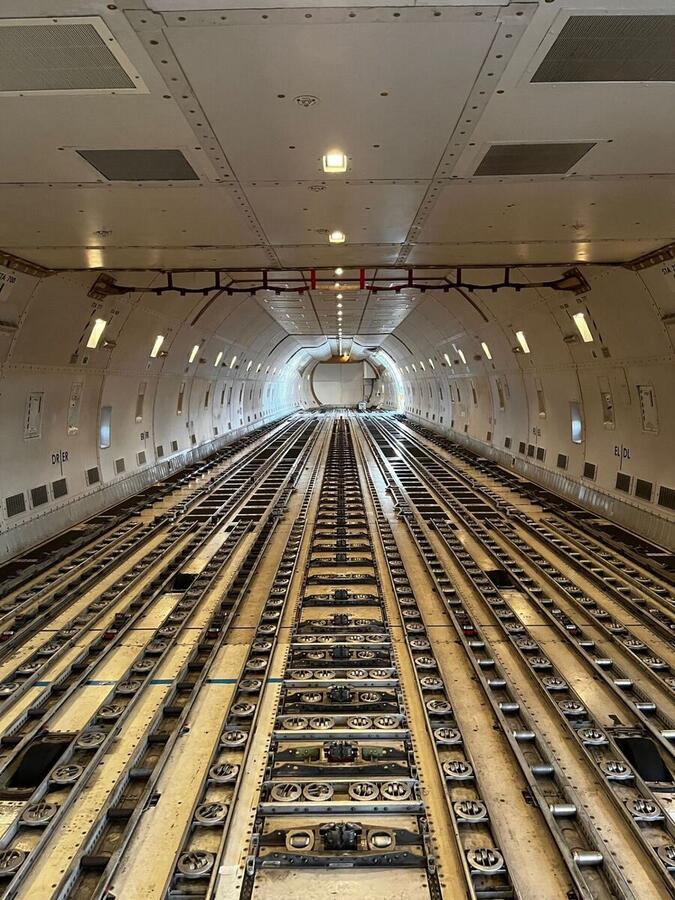
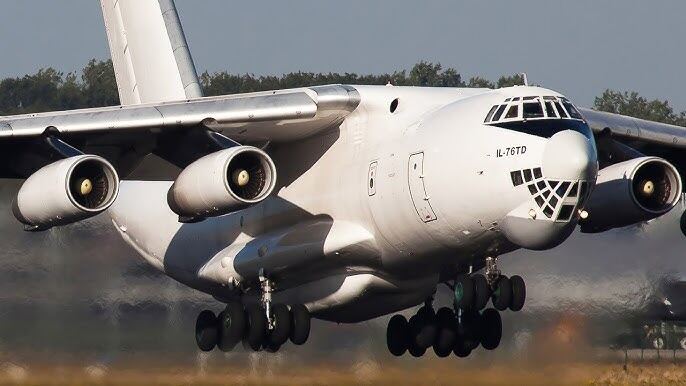
On the cargo side, 747-400F/8F freighters work the high-density inbound lanes into Sydney, Melbourne and Brisbane out of North Asia and the Middle East. 777Fs handle long-thin and balanced lanes. A330Fs are increasingly the right tool for trans-Tasman and intra-region work where you need widebody capacity without paying for a 777F. 767Fs and 737Fs cover shorter regional rotations and outstation feeders.
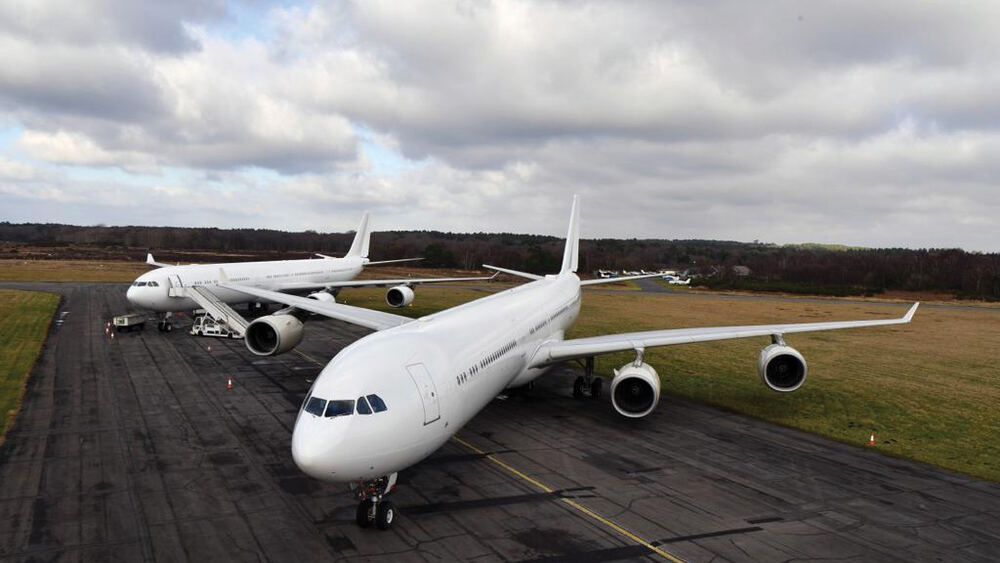
On the passenger side, A330s and 787s handle most longer charters into Australia and New Zealand. Smaller groups going into the Pacific Islands move on 737s, A320s, and ATRs depending on the strip. The constraint is rarely cabin preference. It is whether the runway, pavement classification (PCN), apron and fuel uplift at the destination can support the aircraft on the day.
Pavement and runway constraints are real
A surprising number of Pacific island airports have pavement classifications that rule out widebody operations entirely, regardless of what the runway length suggests on paper. Some strips will accept a single visit but cannot sustain regular widebody movements. Some accept widebodies under restricted load conditions only. None of this is hidden information, it is in the AIPs, but it is missed often enough that operators occasionally turn up to scope a contract and discover the aircraft they have been pitching cannot legally land.
We start every Pacific charter scope with the destination's PCN, runway length, intersection takeoff numbers, and fuel availability before we talk about commercial terms. If those four numbers do not support the lift, the rest of the conversation is academic.
Customs, biosecurity and immigration are not formalities
Australia and New Zealand both run strict biosecurity regimes. Aircraft arriving from offshore are subject to inspection and treatment requirements that can shape ground time materially. Crew, passenger and cargo manifests need to be filed correctly and on time, or the aircraft sits while paperwork catches up. Most experienced ground handlers in AKL, SYD, MEL, BNE and PER manage this routinely; outstation handlers vary considerably, and the desk has to know which is which.
Pacific island customs and immigration regimes are highly variable. Some are efficient and predictable. Some require clearances that take real time to arrange. None of it is insurmountable, but pretending it is not there is how charters end up parked while the customer wonders why nobody is moving.
Fuel uplift is often the binding constraint
Fuel availability at smaller Pacific airports is a planning constraint, not an assumption. Some outstations can fuel a widebody without notice. Some require advance notification measured in days. Some have no jet fuel at all, which means the aircraft must arrive with enough fuel to depart, occasionally with payload restrictions to make the numbers work. On longer Pacific routings, single-island fuel stops on a charter back to Australia, for example, fuel availability sometimes dictates the entire routing.
Weather windows do not negotiate
Tropical weather across the Pacific and northern Australia is fast-moving and seasonally aggressive. Cyclone season, convective activity over the equatorial Pacific, fog at southern New Zealand airfields in winter. None of it is unusual. All of it shapes operational planning in ways that pure-network operators sometimes underestimate when they price work in this region.
Charter programs that run reliably into this geography do so because the operator and the desk plan around the weather rather than against it. Earlier departures in cyclone season, contracted alternates that are genuinely usable, and a willingness to defer rather than push when the window does not open.
Why this matters for operators procuring charter
If you are buying charter into Australia, New Zealand or the wider Pacific, the questions worth asking are operational rather than commercial. Has the desk operated into this specific airport before? Do they know the handler personally? What is the fuel uplift situation? What are the alternates and have they been used recently? Has the operator's ops manual got the airport in scope, or are we filing for a one-off approval? The answers tell you whether the program will run, or whether you will be having a much harder conversation in three months.