On a dense, well-served lane carrying routine palletised cargo, scheduled airfreight is faster, cheaper and operationally simpler than charter. On a thin route, with time pressure or with cargo that does not fit standard envelopes, charter is faster, more reliable and often the only option. The honest comparison is situation-dependent.
What follows is the head-to-head on the four variables that customers actually decide on: speed, reliability, capacity, and cost.
Speed
Scheduled airfreight wins on routine speed. On a dense lane with multiple daily freighter rotations and well-staffed handling at both ends, a shipment tendered in the morning is on a rotation that evening and on the ground at destination the following day. There is no aircraft positioning, no permit lead time and no slot procurement to worry about, the system absorbs the work.
Charter wins on time-critical speed. On a same-day or next-day shipment that scheduled cannot accommodate (next rotation too late, lane underserved, capacity full), a charter can be wheels-up in three to twelve hours regional and six to twenty-four hours intercontinental. Scheduled cannot match those numbers when the next scheduled rotation is two days out.
The crossover point is approximately the time gap between when the shipment needs to arrive and when the next scheduled rotation actually arrives. If scheduled can hit the window, scheduled wins. If it cannot, charter is not just faster, it is the only option that meets the requirement.
Reliability
Charter wins on reliability inside a single mission. The aircraft is dedicated to your shipment. There is no risk of being bumped for a higher-yield consignment, of being held back for capacity reasons, or of being split across two rotations because the booking exceeded what one aircraft could carry. The schedule is the schedule the cargo needs.
Scheduled wins on systemic reliability across many shipments over time. The infrastructure, the regular rotations, the handler staffing, the established documentation flows, is built for repeatability. Volume freight programs run on scheduled because the per-shipment risk is acceptable when amortised across thousands of shipments.
On the rare-but-critical shipment, charter is more reliable. On the routine high-volume program, scheduled is more reliable.
Capacity
Scheduled has more capacity in aggregate, but it is shared. On a lane with strong demand, capacity can be full. Peak season, post-event surges, capacity withdrawal, there are predictable periods when scheduled airfreight cannot accept the booking at all, regardless of how willing the customer is to pay.
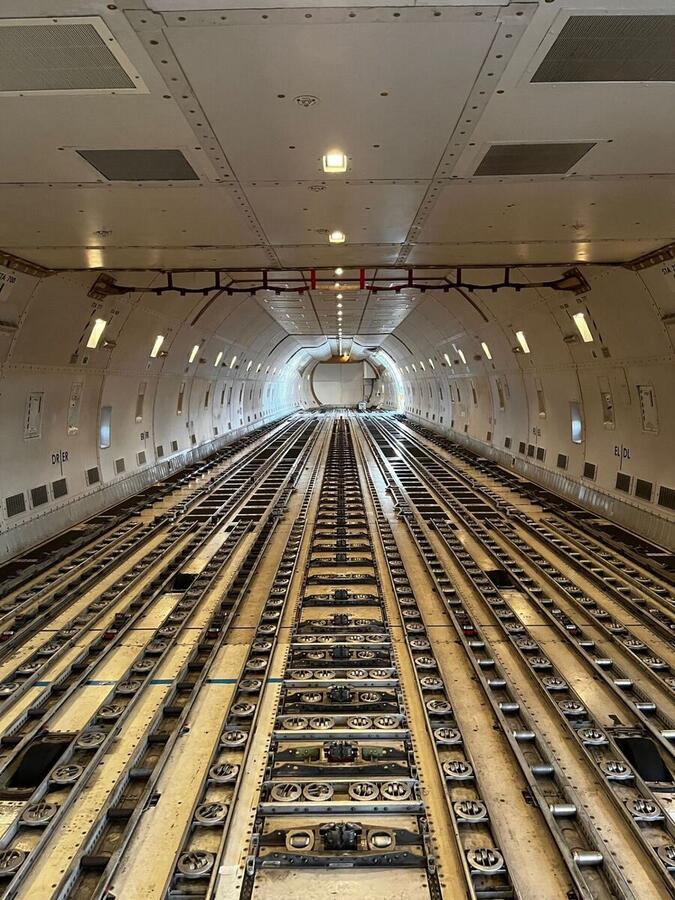
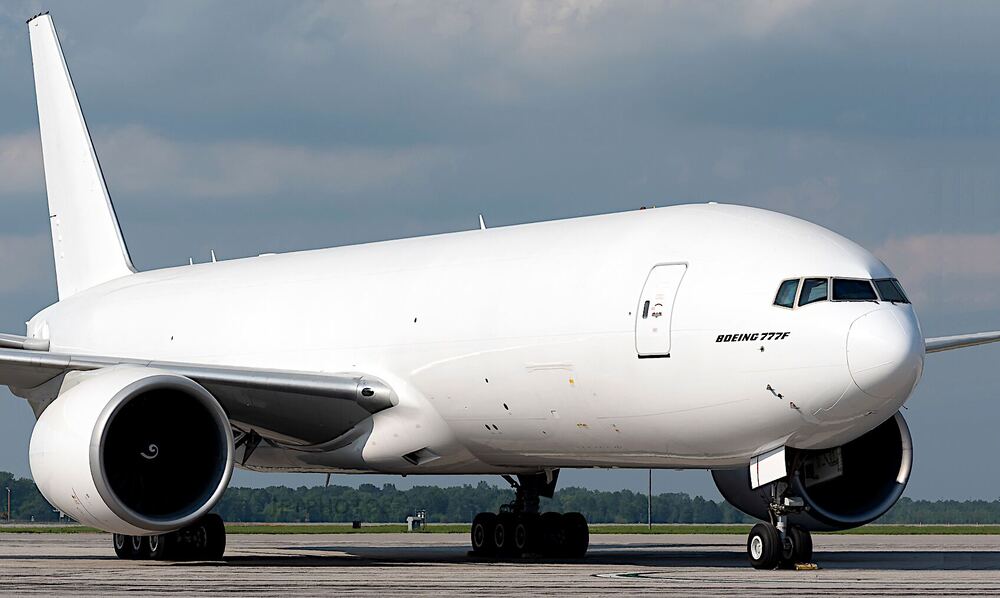
Charter accesses capacity that is not in the scheduled system. An aircraft in another region can be repositioned. An aircraft scheduled for a ferry leg can be diverted. Outsize freighters, which never operate on scheduled, are charter-only by definition. For oversize, outsize and heavy single pieces above the commercial freighter envelope, scheduled has zero capacity, the only option is charter.
Cost
Per-kilo, scheduled airfreight is materially cheaper than charter on dense lanes carrying routine cargo. That is the design point of the scheduled airfreight system. A charter that competes head-to-head with scheduled on a routine shipment is almost always more expensive.
Per-mission, charter is competitive when the alternative is multiple scheduled bookings (group cargo too large for one rotation), an upgrade to scheduled premium products that cost a multiple of the standard rate, or the consequential cost of missing the deadline (production stop, recall, AOG downtime). The honest cost calculation includes the cost of delay, not just the freight rate.
How customers decide
The operational rule of thumb most cargo managers use: scheduled by default, charter when scheduled cannot meet the requirement. The cases where charter is the right call are usually obvious, outsize cargo, urgent shipments, underserved routes, single-shipper requirements, capacity-constrained windows. Outside those cases, the freight system is built to do the job.
Aviall is set up to be candid on this. Customers who call asking for a charter quote on a shipment that scheduled airfreight could handle in the same window get told so. The conversation has happened often enough to be standard practice.