The caller is usually a maintenance controller, an MRO planner, or a line engineer standing next to an aircraft that is not going anywhere. Behind them sits a delay that is already costing the operator somewhere between five and six figures a day in utilisation, crew positioning, passenger care and reaccommodation, and knock-on disruption to the rest of their network. By the time the phone rings the clock has been running for a while.
From the charter desk side, wheels-up time is decided long before the aircraft physically lifts. Most of it is decided in the first sixty minutes after the enquiry hits the desk, while the freighter is still hypothetical.
Minutes 0-10: triage
Three pieces of information run the rest of the call. What the part is, where it is, and where it needs to go. 'What' means weight, dimensions in all three axes, DG classification if any, packaging condition (crated, palletised, on a stand) and whether it is air-ready or still sitting in a workshop. 'Where it is' means the origin airport, the handler holding it, and whether it has cleared customs for export. 'Where it needs to go' means the AOG station, the runway and pavement at that station, the receiving handler, and whether import customs at that end can be opened on short notice.
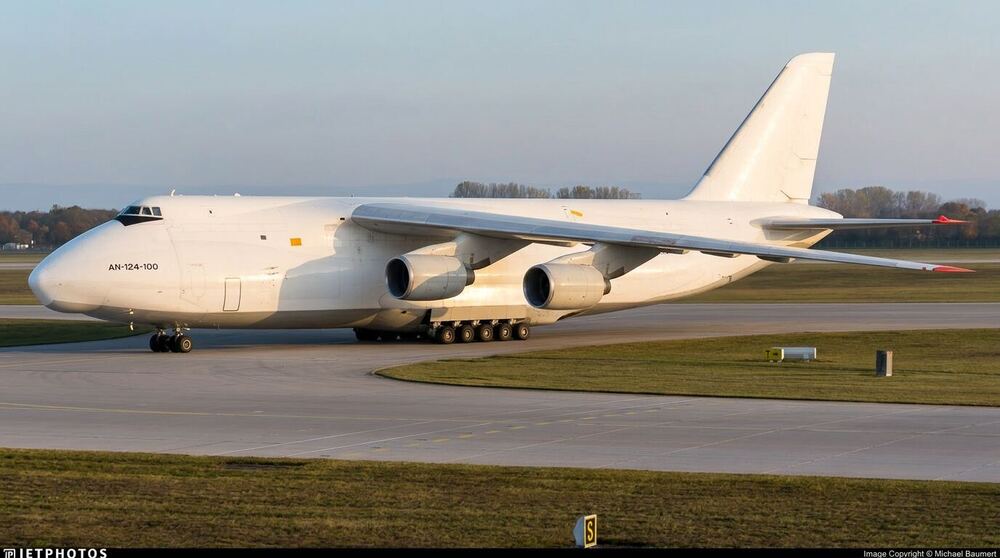
Spare engines change the shape of the conversation immediately. Engine family and thrust rating, QEC build versus bare core, the stand it is sitting on (is it a standard transport stand or a workshop cradle?), whether the cowls have been removed and shipped separately. The answers determine whether we are scoping a 747F, a 777F, an AN-124, or splitting the lift across two aircraft.
Minutes 10-40: sourcing and pricing in parallel
Triage is still being tightened up when the first calls go out to operators. For most AOG enquiries there is a knowable shortlist of freighters inside a sensible positioning radius. Which of those are released by their own maintenance, which have crew with sufficient FDP remaining, and which operators are realistically going to call back inside the hour at 03:00 local, is not something you look up in a database. You either carry it in your head or you waste an hour figuring it out.
Pricing develops in parallel. AOG quotes are never off a rate card. They are a build-up of positioning legs, block hours, fuel at the uplift station, overflight and landing permits, ground handling at three or four airports, crew duty extensions if relevant, and the operator's own view of what the lift is worth on the day. The desk's job is to compress that into a defensible number fast enough that procurement on the customer side can actually act on it.
Minutes 0-60: permits and slots, started immediately
Some overflight regions are days through normal channels and a few hours through desks that file them every week. Saudi Arabia, India, Russia historically, parts of Central Asia, parts of Africa: all examples where the relationship and the filing pattern matter more than the form itself. Short-notice slots at constrained airports (Heathrow, Frankfurt, Hong Kong, Dubai) sit in the same category. None of this work can wait for the freighter to be formally confirmed; it has to start the moment a routing is even plausible, on the assumption it will be needed.
What the customer should have at the 60-minute mark
By the end of the first hour the customer should have: a confirmed or near-confirmed aircraft, an indicative all-in price with the main variables called out, an indicative routing with tech stops, and a wheels-up window expressed as a range rather than a point. That is not a final quote (the final number lands once permits and slots are firm) but it is enough for procurement to issue a PO or LOI, and enough for the desk to start the second hour: DG paperwork, NOTOC, ground handling agreements, customs at both ends, and physical tracking of the part to the uplift airport.
Why two desks come back with different answers
The same AOG enquiry put to two charter desks routinely produces wheels-up windows that differ by twelve hours or more. The aircraft is rarely the difference. Anyone with a phone and a list of operators can eventually find a freighter. The difference is whether the desk worked sourcing, pricing, permits and customs as four parallel threads from minute zero, or worked them serially and waited for each one to close before starting the next.
That parallelism is mostly a function of staffing, repetition, and relationships. Run an AOG desk twenty-four hours a day for long enough and it stops being the heroic version of the job. That is most of what operators are actually paying for.