AOG stands for aircraft on ground. The phrase describes the situation an airline or operator faces when an aircraft cannot return to service because of a fault that requires a part not available locally. AOG charter is the use of a dedicated freighter or passenger aircraft to deliver that part from where it is to where it is needed, in the shortest realistic time. The cost of the charter is almost always smaller than the cost of the downtime it prevents.
If an aircraft is already on ground and the decision is live, skip to AOG charter and aircraft on ground logistics or call the 24/7 desk on 1800 796 769, freighter options and a price come back inside the hour. If you are scoping AOG cover before you need it, the rest of this article explains what AOG charter is, why operators use it in preference to scheduled freight, and how the recovery is structured.
What counts as an AOG situation
Not every unscheduled maintenance event is an AOG. The term is reserved for situations where the aircraft cannot be returned to service within the operator's normal recovery window without an external intervention. The trigger is normally one of three things:
A part has failed in service and the spare is not in country.
A part has failed during scheduled maintenance and the spare is not on the maintenance line.
A part has been identified during a pre-flight or transit check and the next departure cannot proceed until it is replaced.
In all three cases the operator's choice is between waiting for scheduled freight, which can take 24 to 72 hours door-to-door even on premium services, or chartering the part to recover the aircraft inside a smaller window.
Why charter is the answer
Operators charter AOG parts for three connected reasons. Cost of downtime, which on a wide-body airliner can run into hundreds of thousands of US dollars per day in lost revenue, displaced passenger costs and rebooking. Schedule integrity, which matters disproportionately because a single AOG can disrupt several downstream rotations. And asset utilisation pressure, because modern airlines plan for high daily aircraft hours and have little buffer for unscheduled downtime.
Scheduled airfreight is structurally unable to compete on these terms. Even premium scheduled services involve consolidations, connection times, ground handling at multiple hubs and customs at the port of entry. The fastest scheduled option for many AOG routes is significantly slower than a dedicated charter.
Typical AOG cargo profiles
AOG cargo varies enormously in size and value. Common categories include:
Engine line replaceable units (LRUs): control units, sensors, valves, pumps, relatively small high-value items.
Avionics: black boxes, flight control computers, communication units.
Hydraulic and pneumatic components: actuators, control valves, accumulators.
Wheels and brakes, often shipped as full assemblies.
Cabin equipment that puts the aircraft outside dispatch criteria: seats, oxygen system components, escape slide modules.
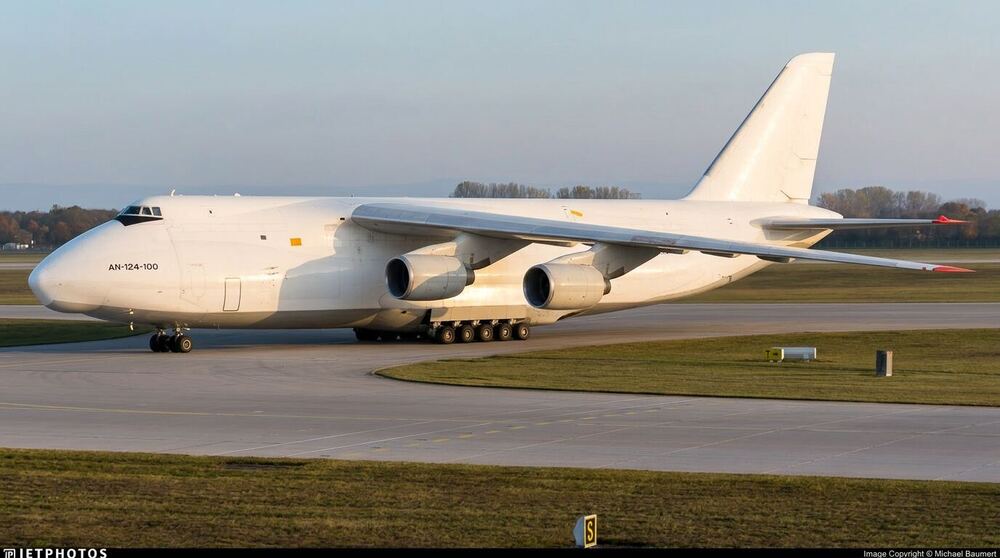
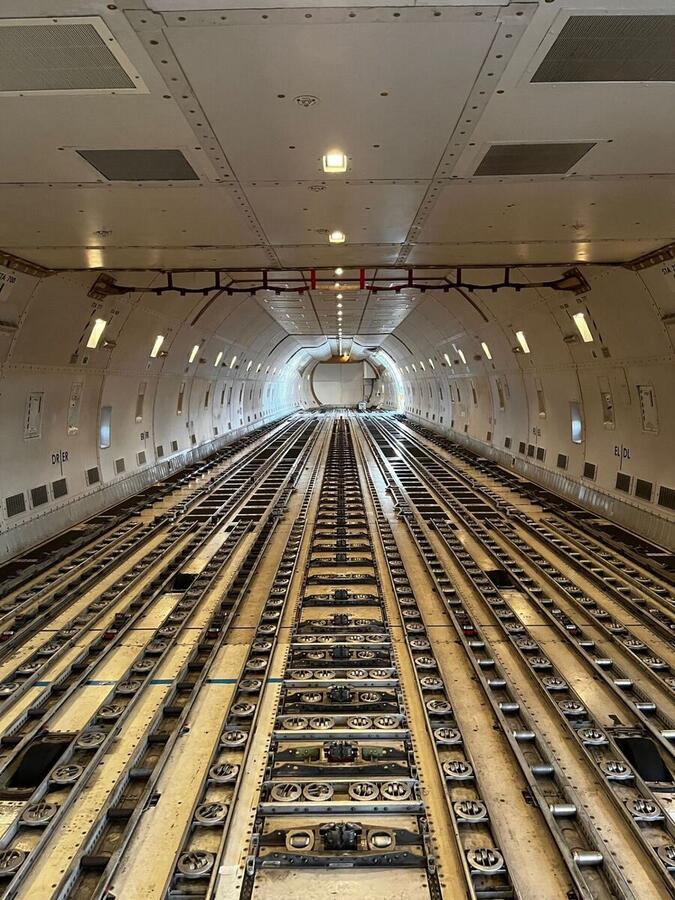
Spare engines, which are the largest AOG cargo and typically require a 747F nose-loader, 777F or in some cases an outsize freighter.
Tooling and ground support equipment for the line maintenance team if it is not at the destination station.
How the recovery is structured
Aviall's AOG workflow follows the same parallel-thread approach used for other urgent cargo. From the first call:
Cargo specification: part description, weight, dimensions, dangerous-goods classification (many aerospace components contain batteries, oxygen generators or pyrotechnic devices), shipper, ready time at the part's current location, latest acceptable arrival.
Aircraft sourcing: parallel calls to operators with aircraft within positioning radius. For small AOG cargo this is often a small jet or turboprop; for engines it is a 747F or 777F.
Permits: preliminary requests at origin, destination and any overflown countries.
Ground handling: briefed at both ends, with engine stands and specialist tooling arranged where needed.
Customs: briefed at port of entry. Many countries have AOG-specific customs procedures that allow accelerated clearance against an AOG declaration.
Inland transport: from the destination airport to the maintenance line.
The customer normally has a written quote within the hour and a wheels-up window inside three to twelve hours for a regional aircraft, twelve to twenty-four hours for a long-haul widebody, and longer for outsize engine moves on AN-124 with positioning.
Documentation and customs
AOG cargo benefits from a recognised set of customs and regulatory accommodations in many jurisdictions. An AOG declaration on the airway bill, supported by the operator's request, can accelerate customs clearance, ground handling priority and slot allocation. The exact accommodations vary by country but the broad pattern is consistent across the major aviation jurisdictions.
Documentation should normally include the airway bill with AOG declaration, the part details and serial number, the receiving operator and aircraft registration, the dangerous-goods declaration if applicable, and the customs paperwork for the destination country.
Cost expectations
AOG charter is typically priced at a small premium to general urgent cargo charter because the operational tolerance is tighter and the customer's cost of downtime is high. Indicative ranges:
Light jet or turboprop AOG (small LRU, regional): USD $20,000 to $60,000.
Mid widebody AOG (multiple LRUs or larger components, intercontinental): USD $150,000 to $400,000.
Heavy widebody AOG (engine or major assembly, long-haul): USD $300,000 to $800,000.
Outsize AOG on AN-124 (engine with full ground equipment, intercontinental): USD $700,000 to $1.5 million-plus.
These numbers should always be compared against the cost of the downtime they prevent, not against scheduled freight rates.
Frequently asked questions
Who books an AOG charter, the airline or the OEM?
Both, depending on the contract. Where the part is under warranty or a power-by-the-hour contract, the OEM or MRO often books and pays. Where the part is operator-owned, the airline books. In practice the charter desk works with whichever party is authorised to commit, with documentation reflecting the eventual cost ownership.
Can a passenger aircraft fly an AOG part?
Sometimes, yes, in the cargo hold of a passenger flight (a process known as belly freight). For larger or odd-shaped parts, or where no scheduled passenger flight serves the route inside the window, a dedicated freighter is needed.
Are AOG charters always faster than scheduled freight?
On routes with no direct scheduled freighter and where the AOG window is under 24 hours, almost always yes. On routes with a same-day premium scheduled service, the difference can be smaller, but the operational certainty of charter is often what justifies the cost.
Can you charter an aircraft to fly a spare engine?
Yes. Spare engines are flown most often on 747F nose-loaders, 777F freighters or AN-124 outsize aircraft, depending on the engine size, the destination airport and the ground equipment available. See heavy-lift cargo charter for the outsize capability.