The shortest honest answer to how fast a cargo charter can be arranged is: faster than most customers expect, but slower than the most aggressive sales claims suggest. The realistic wheels-up window depends on aircraft type, where the aircraft is at the moment of the call, the route and the permits required. This guide gives a realistic breakdown by mission type and explains what the operations desk is actually doing during each block of time.
Aviall's urgent air freight charter desk runs 24/7. The sequence below reflects what actually happens in the first hours of an urgent activation, not a sales narrative.
Realistic wheels-up windows by aircraft type
These ranges assume a confirmed booking and no major permit complications. They are not best cases; they are typical cases.
Light jet or turboprop already at origin: 1 to 3 hours from confirmed booking. This is the fastest practical wheels-up window for any mission.
Regional freighter (737F, ATR-72F class) on a domestic or trans-Tasman route with no permit complexity: 3 to 6 hours from confirmed booking.
Mid widebody (A300F, 767F class) on a regional intercontinental route with standard permits: 6 to 12 hours.
Heavy widebody (777F, 747F class) on a long-haul intercontinental route with multiple permits: 12 to 24 hours.
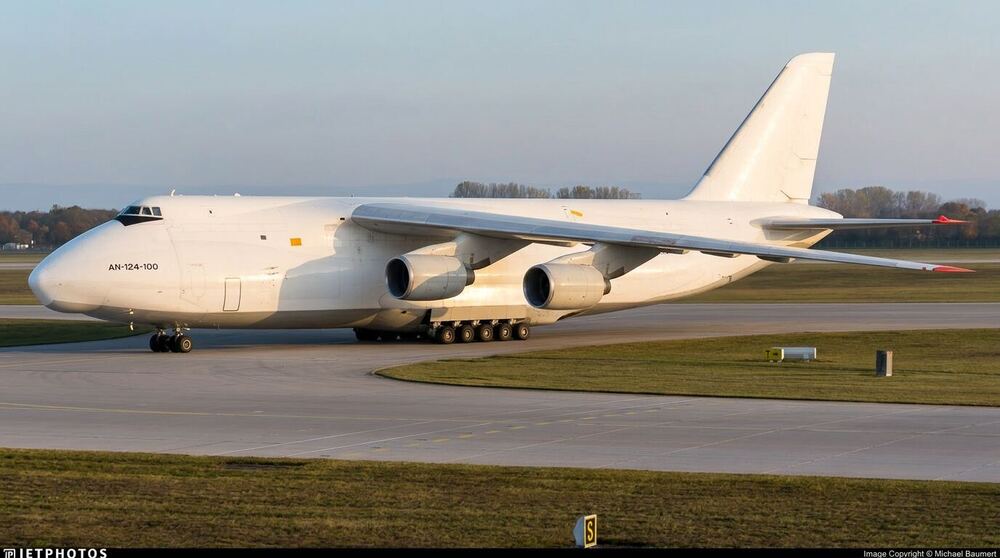
Outsize freighter (AN-124, IL-76 class) where positioning is required from the aircraft's last station: 24 to 96 hours.
AN-124 with full positioning from its last station, on a route requiring specialist permits and oversize ground equipment: 3 to 14 days.
These windows shorten when the aircraft is already at origin, the crew is on duty, and permits are pre-cleared. They lengthen when positioning is long, crew duty has expired, or the destination has restrictive customs hours.
What the ops desk is doing in the first 60 minutes
The first hour of an urgent activation is structurally important: most of the eventual wheels-up time is determined here. The desk works several threads in parallel rather than in sequence:
Cargo specification capture: weight, dimensions, dangerous-goods status, packaging, special handling requirements, ready time at origin, latest acceptable arrival at destination, port-of-entry customs requirements.
Aircraft sourcing: parallel calls to two or three operators with aircraft of the right type within positioning radius. The desk asks specifically about aircraft that are not on the standard market list because some of the best urgent options are aircraft that have just become available.
Crew duty check: confirming that the proposed aircraft has crew with enough duty hours remaining to fly the planned mission without a duty break.
Permits: preliminary requests filed with civil aviation authorities at origin, destination and any overflown countries that require landing or overflight clearance.
Ground handling: brief to handlers at both ends covering aircraft type, ETA, cargo type, ground equipment required, and customs handover.
Customs: brief to the broker or customs desk at the port of entry, with preliminary documentation if available.
Inland transport: briefing of any onward road or rail transport required from the destination airport.
By the end of the first hour, the customer typically has a written quote with two or three aircraft options, a wheels-up window expressed as a worst-case range, and a list of any documentation or authorisations still needed from the customer.
What the ops desk is doing between hour 1 and wheels-up
After aircraft selection and customer confirmation, the work shifts from sourcing to execution. Permits move from preliminary to confirmed; handling moves from briefed to dispatched; the aircraft positions if it is not already at origin; the crew completes pre-flight; the cargo is documented, accepted and loaded. Each of these threads has its own clock, and the wheels-up window is set by the slowest of them.
Permits are most often the slowest thread on cross-border missions. Some authorities issue clearances within hours; others require 24 hours' notice or operate only during business hours. The desk plans against the realistic worst case for each authority.
Where customers can compress the timeline
The customer controls more of the wheels-up window than they often realise. Three things matter most:
First, sharing the full cargo specification in the first call. Weight, dimensions, dangerous-goods classification, packaging photos and shipper details given upfront save hours of back-and-forth.
Second, authorising movement verbally while paperwork follows. Most aircraft and permits cannot start moving on the strength of a forthcoming PO. A verbal go from a known customer with a credit relationship lets the parallel threads start.
Third, flexibility on origin or destination airport. A 30-minute road move at one end can sometimes save four hours of permit or curfew delay at the other.
The cases that genuinely move in under three hours
Sub-three-hour wheels-up does happen, but in a narrower set of cases than the marketing suggests. The conditions are: a light jet or turboprop already at origin, with crew on duty, on a domestic route, with no DG complications, with the customer authorised to move on verbal confirmation, and with no permit requirement beyond the routine domestic flight plan. Outside that combination, the realistic floor is four to six hours.
Frequently asked questions
Can a cargo charter be in the air within an hour?
Almost never on a turbine cargo aircraft. The minimum practical wheels-up time for any commercial cargo charter is around 90 minutes to two hours, achievable only when the aircraft, crew, cargo and customs are all already at the airport and the routing is purely domestic. For most missions the realistic floor is three to six hours.
Why does positioning add so much time?
If the aircraft is not at the origin airport when the call comes in, it has to be flown there empty before it can fly the cargo. A widebody freighter positioning across an ocean is itself an eight to fourteen-hour flight, which becomes the floor for the cargo movement.
Are weekend and holiday charters slower?
Sometimes, yes. Permit desks at some civil aviation authorities operate only in business hours. Customs at some ports of entry operate only in business hours. Both can add hours or a working day. The mature charter desk plans around these and, where possible, uses ports of entry that operate 24/7.
Does charter type affect speed?
Yes. Cargo charter is generally faster to activate than passenger charter because there are no passenger-side considerations such as catering, in-flight entertainment, immigration documentation for each pax, or security screening of a passenger manifest. Medevac sits between the two.