The same group charter brief, say, 180 passengers, point-to-point, return three days later, will routinely come back from two different desks at prices 20% to 50% apart. The first instinct is to assume one of the quotes is sharper and the other is padded. Sometimes that is true. More often the difference is operational, sitting in line items the customer never sees on the headline rate.
These are the variables that move group charter pricing.
Aircraft positioning
An aircraft that is already on station for an inbound or outbound rotation is dramatically cheaper to deploy than the same aircraft positioned in from somewhere else. Positioning legs are flown empty, charged at close to a full block-hour rate, and quietly add tens of thousands of dollars to a quote before the actual trip even begins. Two desks looking at the same brief on the same day may have visibility into different positioning opportunities. The one with the better-placed airframe will quote materially lower, without doing anything clever on margin.
Crew duty and night-stop costs
Group charter itineraries that look symmetrical on paper often hide crew duty problems. A return leg that lands at an unhelpful local time forces a crew night-stop, which means hotels, per diems, ground transport, and a second crew positioned in if the first crew runs out of FDP. None of that shows up in the rate per hour. All of it shows up in the all-in price.
Desks that quote without modelling the crew duty implications properly will sometimes look cheap on day one and explain the variation invoices later. Desks that model it honestly look more expensive on day one and deliver on the original number.
Slots and ground handling at the destinations
Slot fees and ground handling vary enormously by airport. A charter into a major hub at peak time involves slot fees, parking charges, and handling rates that can multiply against an outstation operating in a quieter window. Two quotes that look like they are pricing the same trip may be assuming different airports or different handlers. The customer rarely sees this until the operator is on the ramp and the bill arrives.
For sports teams, entertainment groups and high-profile corporate movements, the handling specification matters too. Dedicated stand, expedited customs and immigration, baggage handled separately from passengers, security positioning, and discreet transfer to ground transport all sit in the handling line and can vary by an order of magnitude.
Cargo and equipment loads
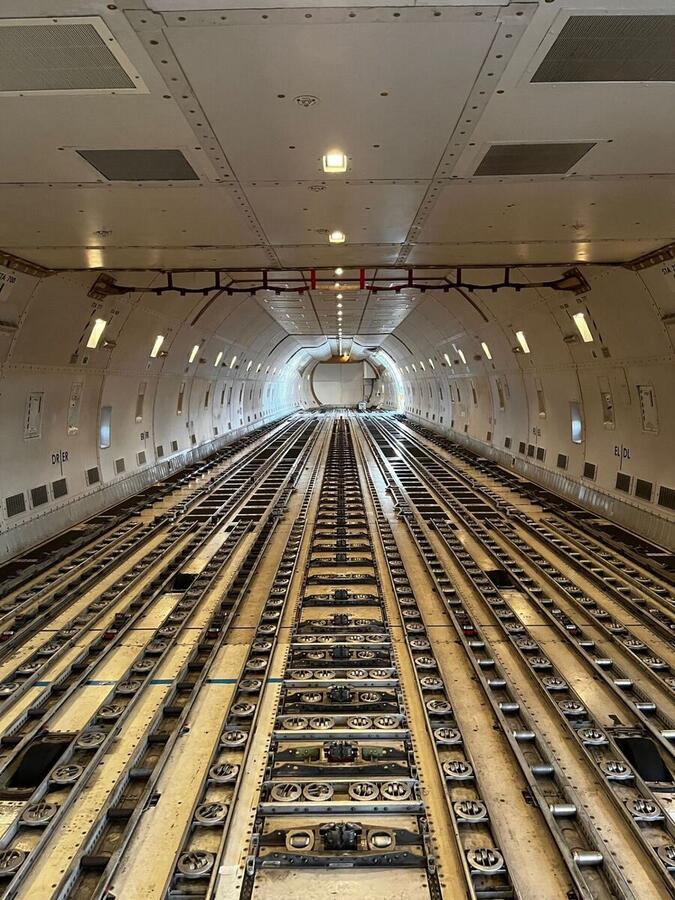
Sports teams travel with kit. Bands and orchestras travel with instruments and staging. Corporate incentives travel with branded freight. Most of these loads can be carried in the underfloor of an A320 or 737, but some, full orchestral instrument sets, large staging for entertainment tours, mountain bikes, surf gear, push into territory where the aircraft choice changes or a small freight component gets added.
Quotes that treat the equipment as 'we'll fit it in' on day one and discover the constraint two weeks before departure are how charters get re-priced under pressure. Better to ask the questions early and let the customer make the trade-off knowingly.
Aircraft choice within the same passenger count
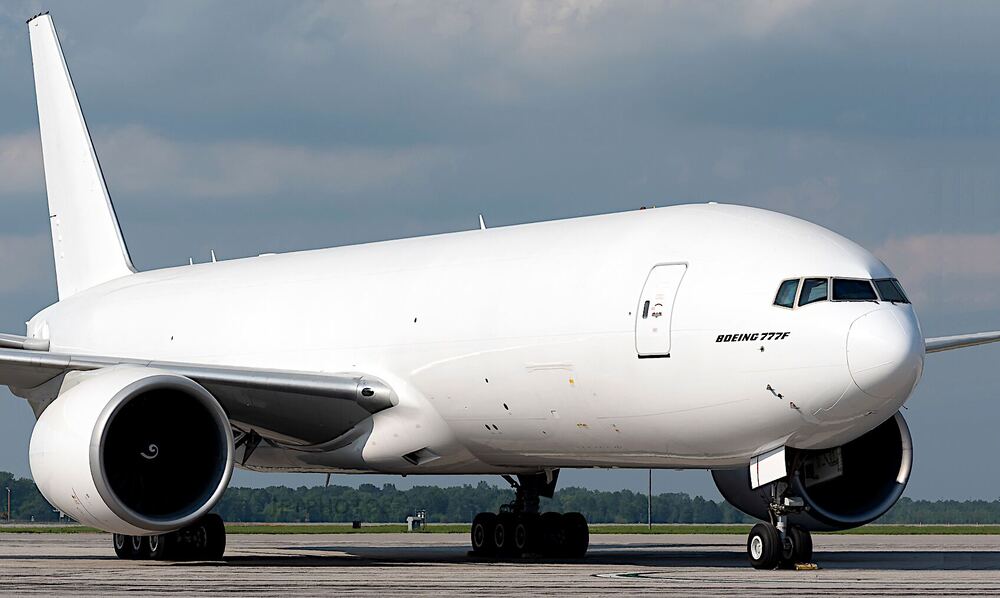
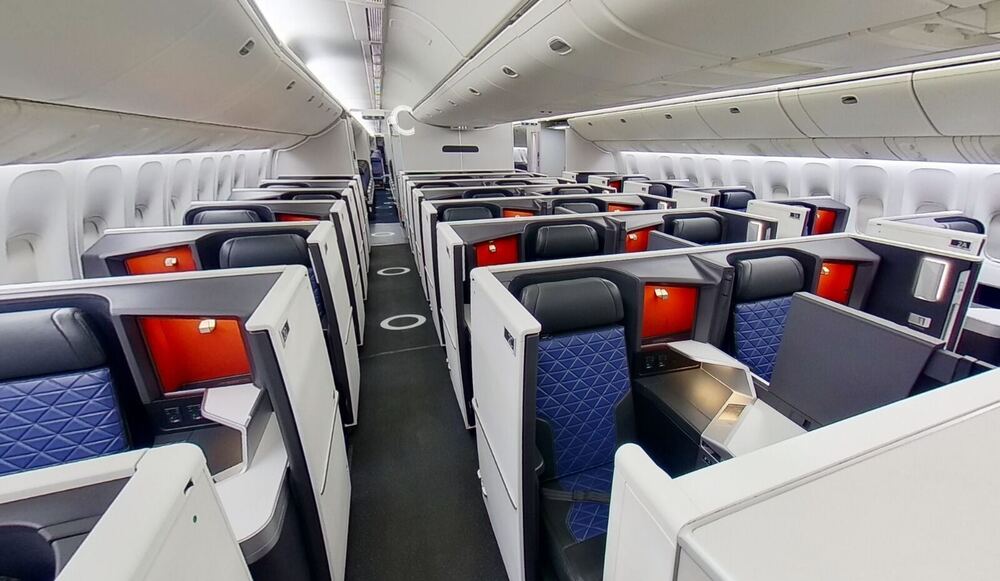
180 passengers fits comfortably on an A320 family aircraft, on a 737-800, or on a smaller widebody depending on configuration. The price differences across those options are large. Long-haul or trans-equatorial work usually pushes the choice toward widebody whether the passenger count requires it or not, because of range, crew rest, and inflight service expectations. Shorter regional work can sit on narrowbody. The right answer depends on the route, the duration, the service expectation, and what is actually available in the window.
What to ask when comparing quotes
Useful questions to put to any group charter quote: what aircraft type is being proposed, where is it being positioned from and is the positioning included, how many crew night-stops are in the price, which airports and handlers are quoted, and what is included for ground handling and ramp services at each end. The desks happy to answer these questions in detail are usually the ones whose quotes will hold. The desks that resist the questions are usually the ones whose final invoice will not match the original number.