There is no shortlist answer to what a group charter flight costs because there is no standard group charter. The price is built bottom-up against the aircraft type, total flight hours including positioning, fuel, crew duty, ground handling at both ends, navigation and overflight permits, parking and any specialist requirements such as catering or extra baggage allowance. Two charters that look superficially similar can quote materially differently for entirely defensible reasons.
What follows is a breakdown of how Aviall builds a group charter quote, the indicative ranges to expect by aircraft tier, and the variables a customer can adjust to move the number.
The eight factors that drive group charter pricing
Aircraft type sets the baseline. A regional turboprop costs less per hour than a narrowbody jet; a narrowbody costs less than a widebody. Larger aircraft cost more per hour but cover the route in fewer hours and carry more passengers, so cost-per-seat does not move linearly with cost-per-hour.
Total flight hours including positioning is the largest single variable. If the aircraft is not at the origin on the day, it must be flown there empty before it can fly the group. Positioning legs are charged in full. A charter that originates at a base where the aircraft is already located is materially cheaper than one that requires the aircraft to be brought from elsewhere.
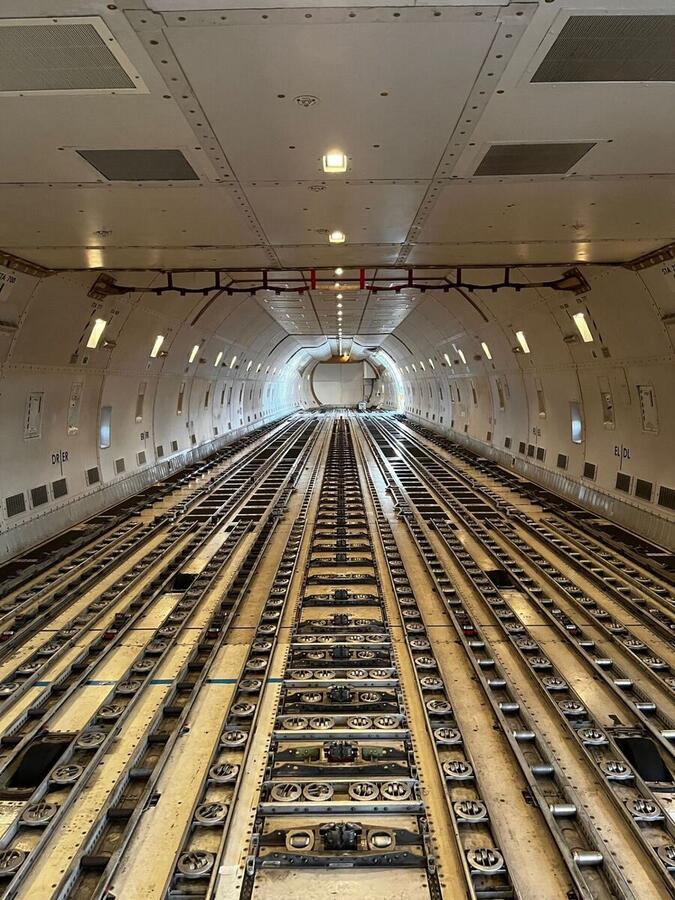
Fuel is the largest operational cost line and varies significantly by route, by tankerage strategy, and by the fuel uplift cost at each station. Crew duty time, accommodation if the crew has to overnight, ground handling at both ends, navigation and overflight permits, parking, catering and any specialist additions complete the build.
Indicative ranges by aircraft tier (orientation only)
These ranges are for orientation only. They are not a quote and individual missions can sit outside them for legitimate reasons. They are based on Aviall's regular activity across the Asia-Pacific group charter market.
Regional turboprop or small jet, 30-50 seats, single sector under three hours: typically AUD $35,000-$90,000.
Narrowbody jet (737 or A320 family), 150-180 seats, regional sector of three to six hours: typically AUD $90,000-$220,000.
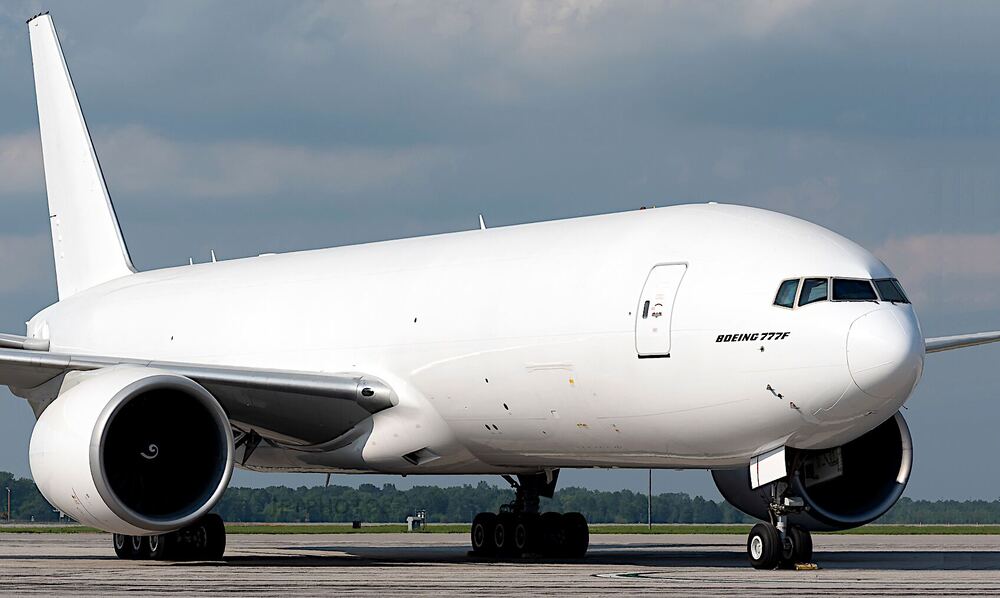
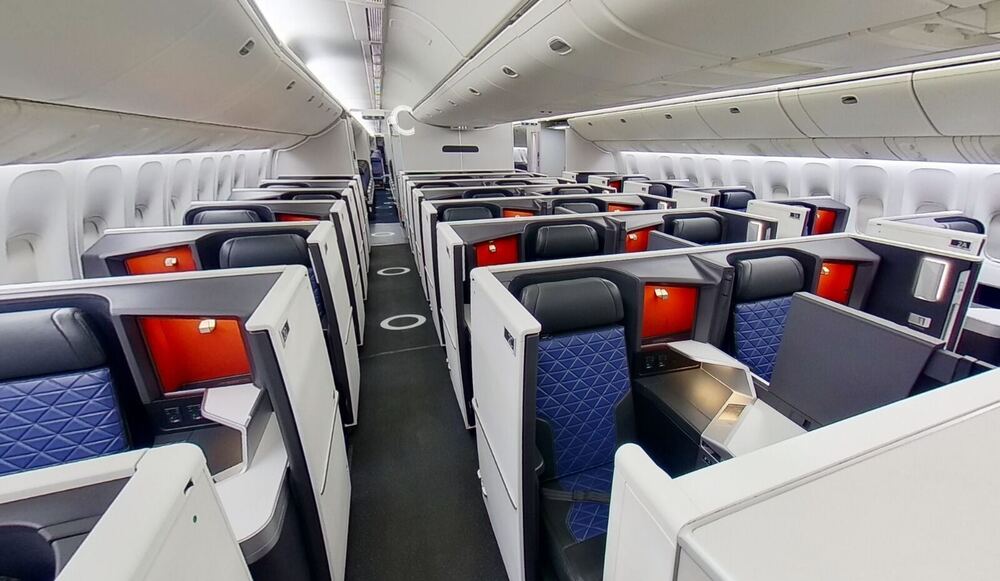
Widebody (767, A330, 777), 250-350 seats, intercontinental sector of eight to fourteen hours: typically AUD $250,000-$700,000.
Multi-sector tours, multi-city corporate roadshows and event programs are quoted as a series rather than as a single mission, and the per-leg cost typically reduces because positioning is amortised across the program.
What customers can do to move the number
Lead time is the largest single lever a customer controls. A charter booked four weeks ahead can usually be priced against an aircraft that is already going to be in the right area. A charter booked four days ahead is priced against whatever can be sourced inside the window, which often means more positioning and tighter crew duty arrangements.
Routing flexibility is the second lever. A flight that can depart from the origin's main international airport may be cheaper than one that requires a regional field with limited handling. Departure timing inside business hours is generally cheaper than overnight or pre-dawn slots that put crew duty in awkward configurations.
Aircraft tier is the third lever. A group of 140 passengers may fit comfortably on a 737 with a generous seat plan, or be accommodated on a smaller aircraft with two sectors. The right aircraft is the one that meets the operational requirement at the lowest defensible cost, not always the largest.
What an honest group charter quote includes
A group charter quote that can be relied upon includes the aircraft type and operator, the routing, realistic departure and arrival windows, the all-in price with fuel, crew, handling, permits and ground services itemised, the catering specification, the baggage allowance, and the cancellation and amendment terms. Quotes that omit any of these are usually under-priced on assumptions that will be revised after commitment.
Aviall returns written quotes with the cost drivers visible, typically inside a few hours for ad-hoc and inside one business day for series and tour programs. The number on the page is the number on the invoice, barring a customer-driven scope change.