Private jet charter and group charter solve overlapping but different problems. A private jet is the right tool for a small high-value group that needs flexibility, privacy and route control. A group charter is the right tool for a larger group that needs to move together on a known schedule with a known cost. Picking the wrong one is the most common avoidable mistake first-time charter customers make.
This guide breaks the decision down by group size, route, cost and operational profile. Aviall's group charter desk arranges movements from regional turboprops through to widebody narrowbodies, and works with the executive jet market for smaller private jet activations.
The structural difference
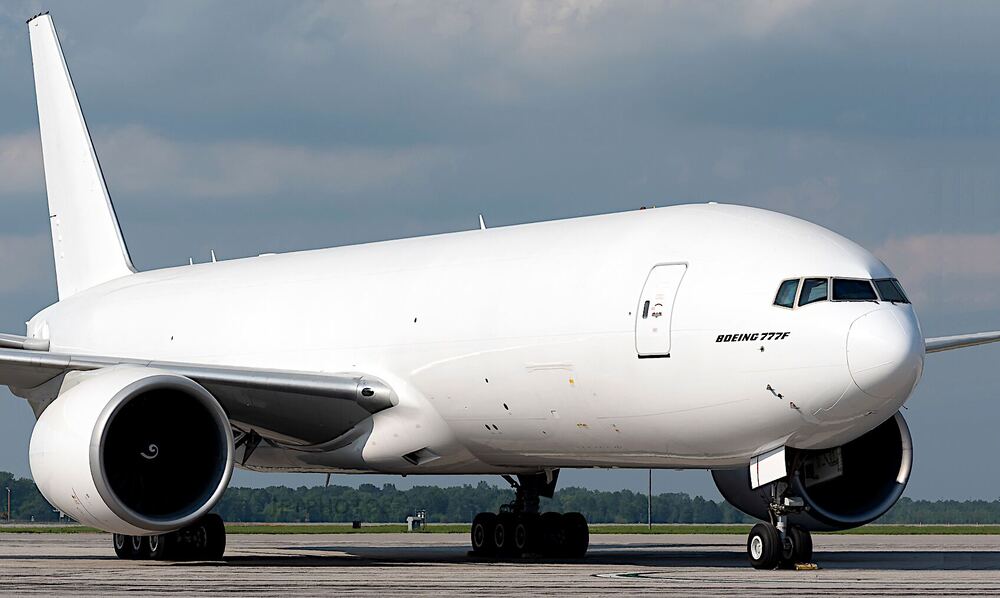
A private jet is, by definition, a small jet aircraft typically configured for 4 to 16 passengers. The aircraft is dedicated to one party and is normally operated under business aviation rules. A group charter uses a regional turboprop, regional jet, narrowbody or widebody airliner configured for 30 to 350-plus passengers, dedicated to one party for a specific mission.
Both are dedicated charters. The difference is in the aircraft, the cabin experience, the cost per passenger, and the operational profile.
When a private jet is the right answer
Choose a private jet when:
Group size is under 16 passengers (and often under 9, where a light jet is most cost-effective).
Flexibility on departure time is worth more than per-passenger cost. Private jets can hold for late passengers and reschedule mid-trip.
Routing involves multiple short sectors with quick turns: a city-pair shuttle, a regional roadshow, multiple meetings in a day.
Privacy or confidentiality matters: deal teams, government delegations, public-figure travel.
The destination airport is a smaller field that scheduled airlines do not serve and a larger charter aircraft cannot use.
When a group charter is the right answer
Choose a group charter when:
Group size is 30 or more passengers, where the per-passenger economics shift firmly in favour of a larger aircraft.
The group is moving together on a fixed schedule: sports teams, corporate incentive trips, MICE delegations, FIFO rotations, event groups.
Cabin experience needs to match a brand or event: branded boarding, themed catering, in-flight entertainment, branded headrests.
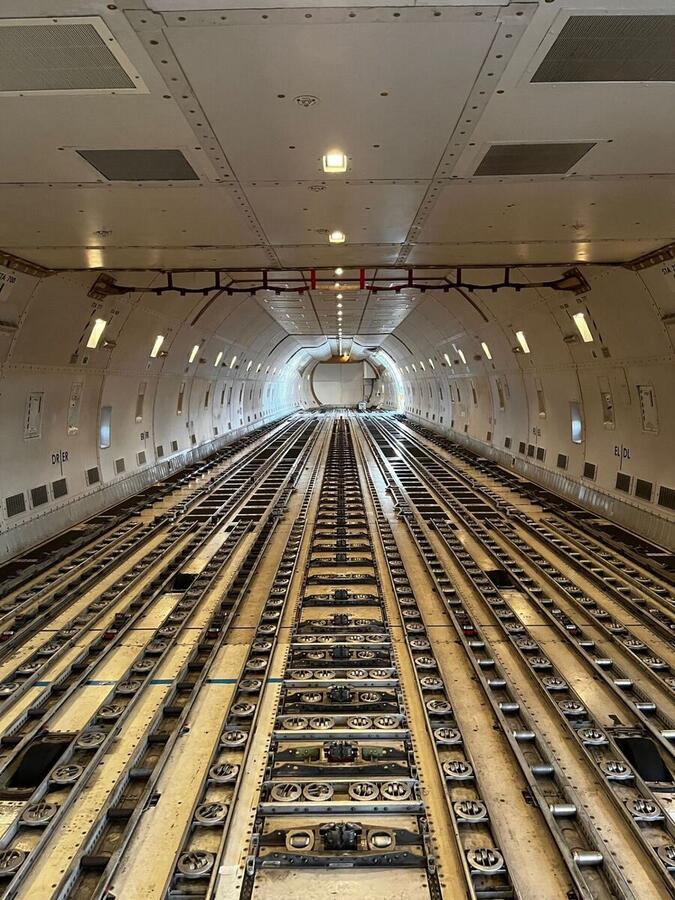
Baggage volume is high: sporting equipment, audio-visual gear, conference materials.
The route is a single sector or a fixed return, where the aircraft does not need to wait between legs.
Cost comparison
On a per-passenger basis, group charter is typically cheaper than private jet for groups above 30. On a total-cost basis, private jet is cheaper for groups under about 12 because a 737 or A320 charter is more expensive than a light jet even though it can carry ten times more people.
Indicative 2026 ranges per sector for an Australian domestic mission:
Light jet (6-9 pax): AUD $20,000 to $45,000 total, equating to AUD $2,500 to $7,500 per passenger.
Mid-size jet (9-14 pax): AUD $35,000 to $80,000 total, equating to AUD $2,500 to $9,000 per passenger.
Regional turboprop (30-50 pax): AUD $25,000 to $60,000 total, equating to AUD $500 to $2,000 per passenger.
Narrowbody jet (120-180 pax): AUD $80,000 to $180,000 total, equating to AUD $450 to $1,500 per passenger.
Widebody jet (250-340 pax): AUD $200,000 to $500,000-plus total, equating to AUD $600 to $2,000 per passenger.
The crossover point between private jet and group charter is around 12 to 16 passengers. Below that, private jet usually wins on cost. Above that, group charter usually wins.
Operational profile
Private jet charter is operationally light: smaller aircraft, smaller crew, quicker turn, less ground handling, fewer permits on cross-border missions. Group charter on a narrowbody or widebody is operationally closer to a scheduled airline operation: full crew rotation, full cabin crew, security screening at scheduled-airline standard, full ground handling, slot management at congested airports, and longer turn times.
The operational difference matters when the trip plan involves multiple sectors or quick turns. A private jet can handle three or four sectors in a day; a narrowbody can usually do two without strain and three only with careful crew planning.
Cabin experience
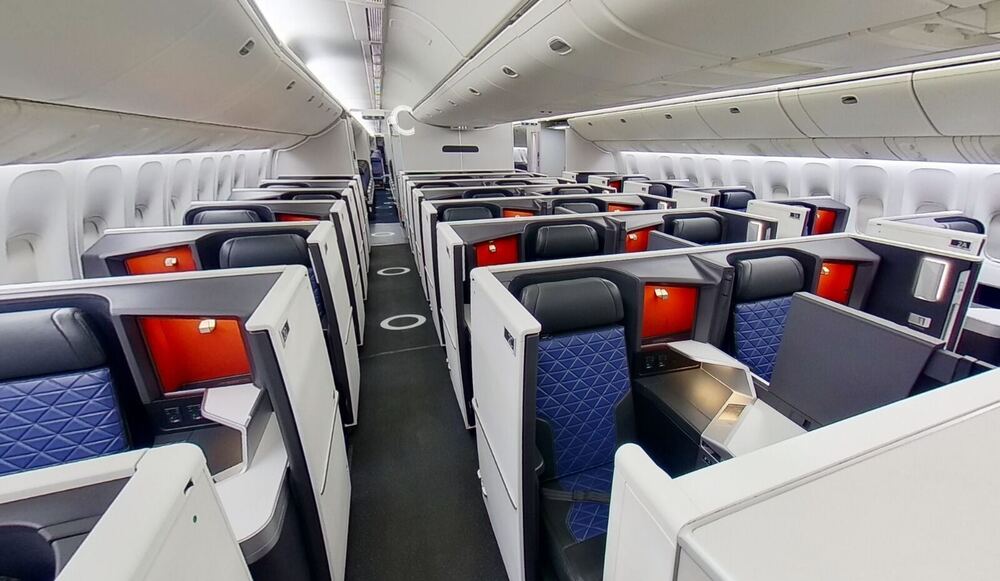
Private jet cabins are configured for productivity and rest: leather seating, conference layouts, in-flight Wi-Fi, full catering. Group charter cabins range from regional-turboprop economy through to full business-class widebody depending on the aircraft and the mission specification. Aviall configures the cabin against the brief: branded headrests, themed catering, in-flight entertainment loaded with the customer's content, and branded boarding gates where the airport supports it.
For sports teams, the cabin spec normally prioritises legroom and recovery seating; for corporate incentives, it normally prioritises premium catering and onboard branding; for FIFO, it normally prioritises operational simplicity and quick turns.
How to decide
Three questions usually settle the decision. How many passengers? Below 12, private jet. Above 30, group charter. Between 12 and 30, run the numbers both ways. How fixed is the schedule? If the trip needs to flex through the day, private jet. If it is a known sector with a known return, group charter. How important is the cabin experience as part of the brand? If the cabin is part of the event, group charter on a widebody where the cabin can be configured to match.
Frequently asked questions
Can I charter a 737 for 30 people?
Yes, but the per-passenger cost will be high because most of the seats are empty. For 30 passengers, a regional turboprop or regional jet (Dash 8, Saab 340, Embraer 145) is usually the more economical answer. Aviall sources the aircraft against the group size, not the other way round.
Can a private jet carry sports gear?
In limited quantities. A mid-size jet can take golf clubs, ski gear or small instruments comfortably. For full team kit (rugby, football, AFL), the baggage volume is normally beyond a private jet and a regional jet or narrowbody is more appropriate.
Is private jet faster than group charter?
Door-to-door, often yes for short sectors, because private jets use smaller airports closer to the city and have shorter ground times. On longer sectors, the cruise speed difference is small and the door-to-door time is similar.
Can I mix private jet and group charter on the same trip?
Yes, and Aviall regularly arranges combined missions: a group charter for the full delegation on the main legs and private jet shuttles for executives or sub-groups. The desk handles both ends through one operations contact.