Cargo charter is the dedicated hire of a freighter aircraft for a single shipment or a single shipper. The aircraft, the route and the schedule are configured around the cargo. That is the simple definition. The more useful definition is operational: cargo charter is what you use when scheduled airfreight cannot do the job, either because the cargo is the wrong shape for it, the route is not served, the deadline is too tight, or the situation requires single-shipper handling.
Most freight in the world moves perfectly well on scheduled airfreight networks, in the bellies of passenger aircraft and on scheduled freighter rotations. The case for chartering only appears when scheduled cannot meet the requirement.
How cargo charter differs from scheduled airfreight
Scheduled airfreight runs to a fixed timetable on fixed routes with shared capacity. Your shipment moves alongside hundreds of others, on the next available rotation, on the route the airline has chosen to operate. Cargo charter moves your shipment when and where it needs to move, in the aircraft type that fits, with no other shippers on board.
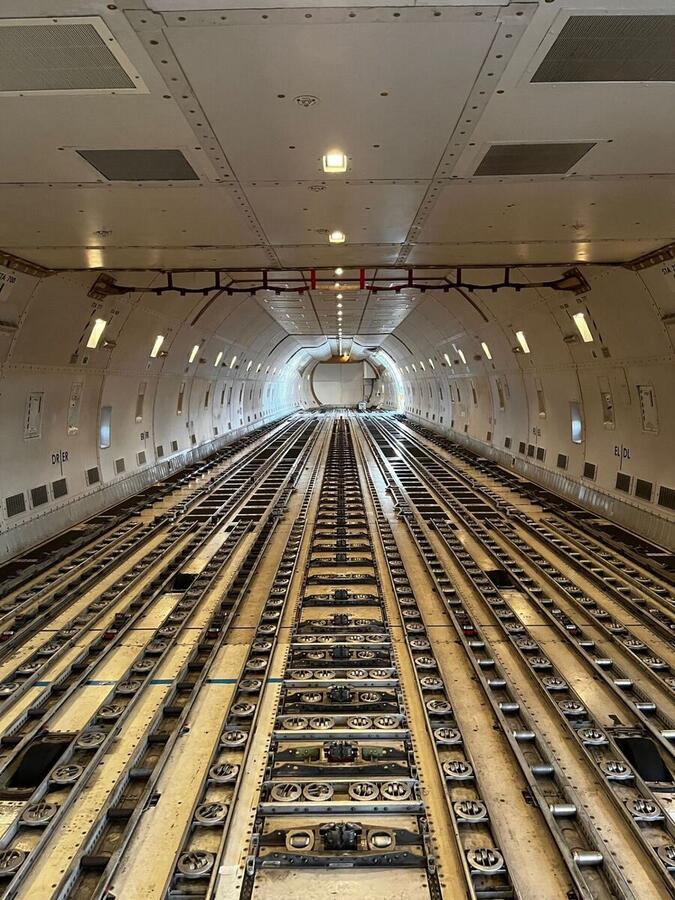
The implications are operational, not just commercial. On a charter the loading is configured for your cargo. The route is the most efficient routing for your shipment, not a hub-and-spoke network rotation. The schedule is the schedule the cargo needs, not the next available freighter slot. The handling is single-shipper, which matters for security, for IP, and for cargo that requires uninterrupted custody.
When to charter a cargo plane
There are seven scenarios where cargo charter is the right answer rather than scheduled airfreight. The first is oversized cargo, single pieces that exceed the dimensions of standard ULDs (LD3, LD7, PMC) or main-deck pallets on commercial freighters. Generators, drilling equipment, satellite assemblies, aerospace structures and large process plant items typically charter for this reason.
The second is heavy single pieces, items above approximately 30 tonnes in a single piece that need outsize aircraft like the AN-124 or 747-8F nose-loader.
The third is time-critical cargo, shipments where the next scheduled rotation is not soon enough. Aircraft on ground (AOG) recovery, production-line stops, recall situations and marine-deadline cargo all sit here.
The fourth is underserved routes, where scheduled freighter capacity does not exist on the lane the cargo needs to move.
The fifth is capacity-constrained periods, peak season, post-event surges, and lanes where commercial capacity has been withdrawn from the market.
The sixth is sensitive cargo, pharma cool-chain at scale, valuables, controlled goods, dangerous goods classes that scheduled carriers will not accept on the day required.
The seventh is single-shipper requirements, security, contractual or operational reasons that require the aircraft to carry only one customer's cargo.
When not to charter
If scheduled airfreight on the route can accept the cargo, can meet the deadline, and the cargo does not require single-shipper handling, scheduled is almost always the better call. Charter for routine palletised general cargo on dense, well-served lanes is usually a money-losing decision for the customer. Aviall regularly recommends scheduled airfreight to customers whose cargo does not actually need a charter.
Aircraft tiers in cargo charter
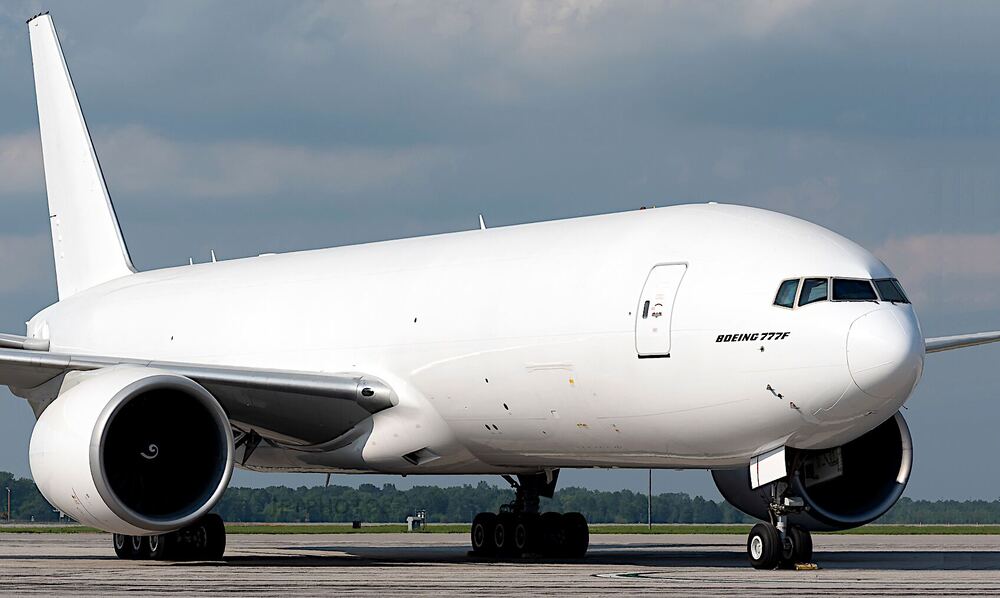
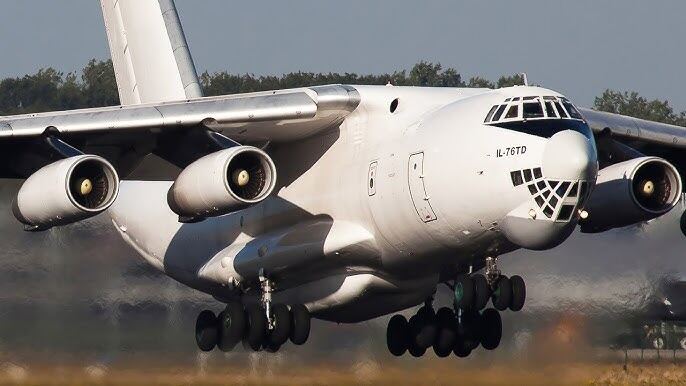
The aircraft is sized to the shipment. Regional freighters in the 20-25 tonne class handle short-haul lanes and small shipments. Mid-widebody freighters at 40-60 tonnes cover regional and intercontinental general cargo. Heavy widebody freighters at 90-110 tonnes cover intercontinental main-deck volume. Outsize aircraft, IL-76 at 50 tonnes with austere-strip capability and AN-124 at 120 tonnes, handle genuine project cargo.
Choosing the right tier is engineering, not sales. An over-sized aircraft costs more without moving the cargo any faster; an under-sized aircraft creates a second mission. The right answer is the aircraft that fits the cargo and the route at the lowest defensible cost.