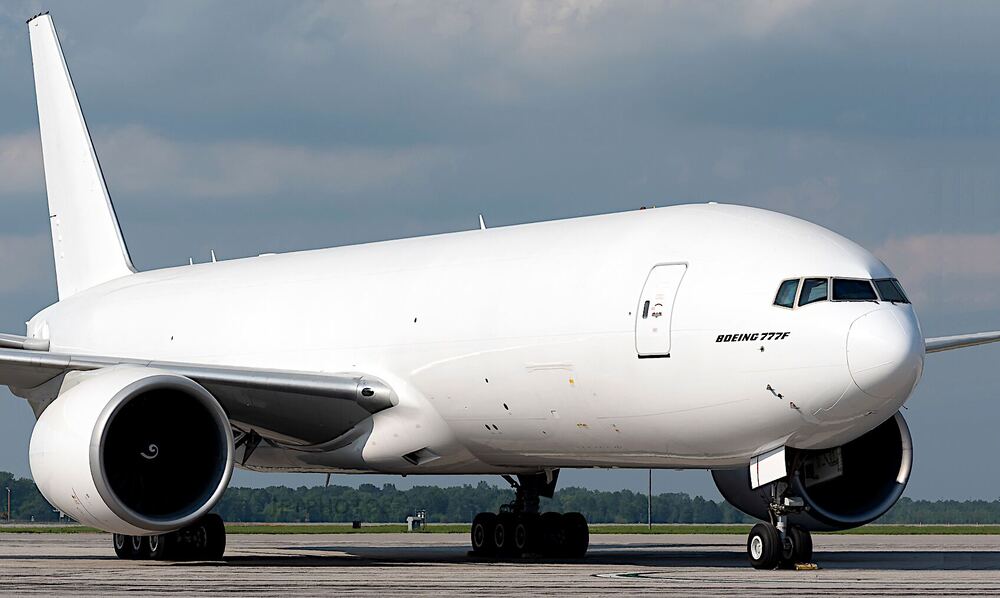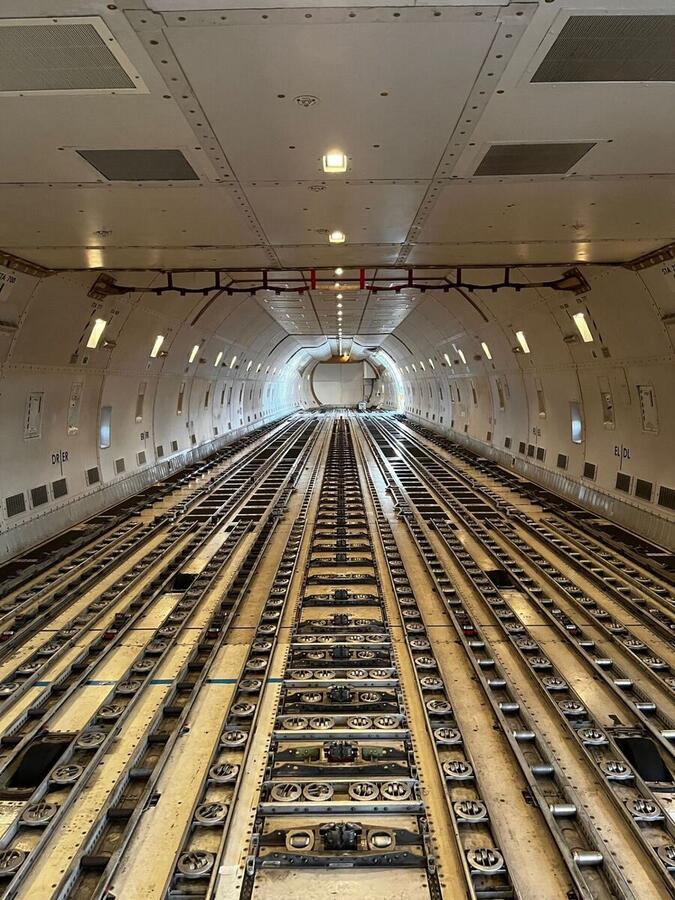
'Time-critical' is one of the most over-used phrases in freight, applied to anything from a missed cut-off on a scheduled rotation through to a genuinely irreplaceable shipment with a six-hour window. Used carefully, it has a specific meaning: a shipment where the cost of delay is materially greater than the cost of the freight itself, and where the freight solution has to be engineered against the recovery window rather than the per-kilo rate.
What follows is what time-critical air freight actually means in operational use, when it applies, and how Aviall builds a mission against a recovery window.
Urgent vs time-critical
Urgent freight is freight that needs to move sooner than scheduled airfreight can move it on the next available rotation. The customer is willing to pay a premium for speed, but the underlying decision logic is still about the freight rate.
Time-critical freight is freight where the rate has stopped being the decision variable. The cost of delay, production-line stoppage, AOG downtime, missed surgical window, missed retail launch, compromised marine deadline, is high enough that the customer will accept a freight cost that would be indefensible on any other shipment, because the alternative is more expensive still.
The operational implication is significant. On urgent freight, the desk is optimising cost-vs-speed. On time-critical freight, the desk is optimising the recovery window first and the cost second.
The typical use cases
Aircraft on ground (AOG) is the classic time-critical case. A grounded commercial aircraft costs the operator tens of thousands of dollars per hour. The freight cost of moving the rotable, the engine, or the part to release the aircraft is a fraction of the cost of the AOG hours saved.
Production-line stops in automotive, aerospace, electronics and process manufacturing, where a missing component is holding a line that costs six or seven figures per day to halt. The freight cost of the missing component, even on a charter, is recovered inside hours of restart.
Recall and safety-of-life, automotive, medical device, food and pharma recalls where replacement stock has to reach the affected market inside a regulatory or commercial window. Marine deadlines, vessel sailings, dry-dock windows, offshore platform shutdown overruns. Mining and energy, rig stoppages, planned shutdown overruns, critical spares for remote sites where the next scheduled service is days away. Major-event windows, concerts, broadcast, sport, where a missed setup means the event does not happen.
How recovery-window engineering works
On a time-critical mission, the desk works backwards from the latest acceptable arrival time at the destination. From that, the latest wheels-up time is fixed against the flight time and the realistic destination handling. From that, the latest aircraft commitment time is fixed against positioning and crew duty. From that, the latest decision time is fixed against the customer's confirmation window.
Each step in that chain is engineered for confidence rather than best-case. A wheels-up time that depends on a permit being issued in two hours when the standard issuance is six hours is not an engineered window, it is a hope. Aviall quotes time-critical missions to the slowest plausible variable on each step, not the fastest.
What the customer buys
On time-critical missions the customer is buying confidence in the recovery window, not just an aircraft. The aircraft is the deliverable; the recovery window is the product. The desks that handle this work well do not just source freighters quickly, they engineer the mission against the cost of delay and price the confidence into the quote.
Aviall holds the operational infrastructure that makes that engineering possible, standing handler relationships on the lanes we operate most frequently, pre-cleared permit channels with several CAAs, and 24/7 medical and operational control. The mission is not assembled on the day; the standing capability is what allows the mission to be assembled on the day.