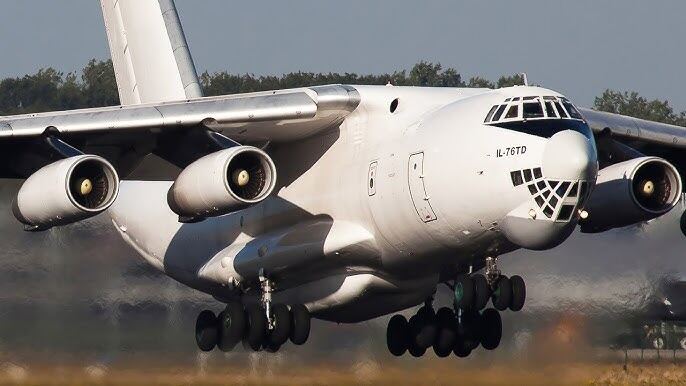
Freighter departing on a humanitarian aid cargo charter carrying disaster relief supplies
    24/7 Operations Desk · Active Now

    Relief · Surge · Damaged Airfields · NGO & Agency

    Humanitarian Aid Cargo Charter: First Wave to Sustainment

    Shelter, water, medical and food cargo delivered into damaged and austere airfields. Rotation planning, ground support and aircraft selected to the strip, coordinated with relief organisations and agencies.

    Already have an RFQ prepared? Email charters@aviall.com.au

    24/7
    Activation desk
    Austere
    Damaged-strip capable
    Surge
    Multi-rotation plans
    Cold
    Medical chain capable

    What humanitarian aid cargo charter is

    Humanitarian aid cargo charter is the dedicated hire of freighter aircraft to move relief cargo into a crisis when scheduled capacity is unavailable, too slow, or cannot reach the destination. It spans the first wave after a sudden-onset disaster, sustained rotations through a response, and pre-positioning ahead of a forecast event.

    The cargo is familiar but the environment is not: shelter and non-food items, water and sanitation kit, medical supplies and cold-chain, food and nutrition. The difficulty is rarely the freight itself. It is a damaged airfield with reduced services, congested slots, fuel constraints and a fast-moving coordination picture.

    Aviall Group works directly with freighter operators and relief organisations, agencies and governments. We build the rotation plan, arrange ground support, and select aircraft suited to the strip, then commit, rather than retailing capacity we cannot control.

    Planning a relief airlift before commitment

    A relief charter that arrives but cannot turn around clogs the very airfield it is trying to help. Every Aviall humanitarian mission addresses the following before commitment:

    • Aircraft selected to the runway, pavement and services actually available at the destination
    • Rotation plan sequenced around slots, ground time and fuel availability
    • Ground-handling and offload support pre-positioned where the airfield lacks it
    • Cold-chain and medical-cargo handling planned where the consignment requires it
    • Customs, overflight and landing permits coordinated for the response
    • Contingency airfield and fuel-stop options identified before departure

    First wave through to sustainment

    The first wave after a sudden-onset event often needs aircraft that can reach a degraded strip with on-board offload capability, because ground equipment may be damaged or absent. Outsize and ramp aircraft with their own cranes and winches reduce dependency on infrastructure that no longer exists.

    As the response stabilises, the requirement shifts to sustained throughput, repeated wide-body rotations carrying high volumes of standardised relief cargo into a recovering airfield. The planning problem changes from access to flow: slots, ground time, fuel and turnaround discipline across consecutive days.

    Aviall plans for both phases. We size the first wave to the strip and the second to the throughput, holding a single coordination thread across the response rather than treating each flight as a separate booking.

    Working with NGOs, agencies and governments

    Relief airlift sits inside a wider coordination structure of organisations, clusters and authorities. We work to the documentation, reporting and prioritisation that response framework requires, and keep the requesting organisation informed at every stage of each rotation.

    We default to the right aircraft for the access and the volume, not the largest available. The objective is sustained, predictable delivery into a difficult environment, not a single dramatic flight. The discipline is the same throughout: plan to the airfield, then fly.

    Humanitarian airlift capability, activation to sustainment

    Rapid activation

    24/7 activation desk building a first-wave plan against a damaged airfield within the response window.

    Austere-strip access

    Outsize and ramp aircraft with on-board cranes for degraded fields lacking ground equipment.

    Surge rotations

    Multi-day wide-body rotation plans sequenced around slots, ground time and fuel.

    Medical & cold-chain

    Temperature-controlled handling for medical supplies, vaccines and biologics within the airlift.

    Permit coordination

    Customs, overflight and landing permits coordinated for the response environment.

    Agency-aligned reporting

    Documentation and status aligned to the coordination structure the requesting organisation works within.

    Urgent charter? Our ops desk is staffed 24/7.

    Aircraft options within the hour and a written quote with an indicative wheels-up window.

    Mission examples · Illustrative

    What this looks like in operation

    Representative mission profiles drawn from recurring work. Identifying details, operators, hospitals, routes, aircraft tail numbers, are intentionally omitted.

    Humanitarian · Surge

    Multi-rotation airlift after a regional disaster

    Following a sudden-onset disaster in the wider region, an aid consortium needed shelter, water and medical kit moved on consecutive days into a damaged airfield with reduced services. Aviall built a rotation plan around aircraft suited to the strip and pre-positioned ground handling support.

    Outcome

    Sustained airlift maintained across consecutive days without diversion.

    Pharma · Cool chain

    Temperature-controlled biologics on a single-shipper aircraft

    A global health programme required a high-value biologics consignment moved on a controlled cool-chain into the Asia-Pacific without consolidation risk. Aviall chartered a freighter dedicated to the shipment, with active containers, written ramp-time targets, and continuous data-logger oversight.

    Outcome

    Zero temperature excursions; chain-of-custody documentation closed within 24 hours of landing.

    Heavy lift · Project cargo

    Outsize mining component into a remote regional strip

    An ASX-listed resources operator faced a stalled processing line waiting on a single oversized component too large for any scheduled freighter. Aviall sourced an outsize main-deck nose-loader, completed pavement and load-spread checks at the regional destination, and coordinated road movement permits at both ends.

    Outcome

    Component on site inside 72 hours of first call; production line restart same week.

    Dangerous goods

    Class 1 movement refused by scheduled carriers

    A government end user needed a Class 1 consignment moved on a tight window after scheduled carriers declined the booking. Aviall identified an operator approved for the class, completed the DG paperwork, NOTOC and security plan, and ran a single-shipper rotation under a controlled handling regime.

    Outcome

    Movement completed inside the customer's window with full regulatory close-out.

    AOG · Time critical

    Replacement engine to a wide-body grounded overseas

    A major carrier had a wide-body grounded at a foreign hub, awaiting a replacement engine sitting in a domestic MRO. Aviall positioned a freighter to the MRO, coordinated dangerous goods documentation for the engine and stand, and held a flight-following bridge with the airline's tech ops cell door-to-door.

    Outcome

    Engine wheels-up inside 14 hours of release; aircraft returned to service the next operational day.

    Perishables

    Seasonal export window into Asia

    A premium agri-export business required a single-shipper rotation during a tight harvest window when scheduled belly capacity was full. Aviall chartered a freighter sized to the volume and held a slot pattern at the destination customs gateway across the season.

    Outcome

    Full season's volume cleared without missed shelf dates at the destination market.

    Humanitarian aid cargo charter, capability reference

    First wave
    Outsize and ramp aircraft with on-board cranes for degraded airfields
    Sustainment
    Wide-body rotations sized to throughput across consecutive days
    Relief cargo
    Shelter, NFI, water and sanitation, food and nutrition
    Medical
    Cold-chain and temperature-controlled handling within the airlift
    Access
    Pavement and obstacle analysis with aircraft selected to the available strip
    Coverage
    Worldwide, with a focus on the wider Asia-Pacific and Indian Ocean region

    FAQ

    Frequently Asked Questions

    Our activation desk works 24/7 and builds a first-wave plan against the actual state of the destination airfield. The launch window depends on aircraft positioning, permits and what the damaged airfield can physically accept, all of which we work in parallel.

    Why operators, brokers and end clients keep calling back

    Credibility built on operational discipline, not marketing

    "Quote came back inside the hour with two aircraft options, written wheels-up windows and the cost-versus-time trade-off laid out. That is what we expect and rarely get."

    , Project logistics manager · Resources sector

    "Documentation, NOTOCs and DG paperwork were closed before we'd finished briefing our customer. No back-and-forth, no surprises at the ramp."

    , Senior freight forwarder · Global 3PL

    "They run the mission like an operator, not like a broker. That distinction matters when the cargo is heavy, the route is hard and the clock is real."

    , Charter broker · International network

    Response activating? Tell us the airfield and the load.

    We plan humanitarian airlift to the strip, first wave through sustainment. One operator, one coordination thread, every rotation.

    Have a live requirement?

    Send us origin, destination, payload and ready date. We return aircraft options. Attach an existing RFQ, packing list or photos straight from your phone, partial detail is enough to start.

    Requirement

    Cargo

    AttachmentsPacking list, cargo dimensions, manifest, RFQ document, images or other supporting documentation. Files up to 20MB each, 10 max. PDF, Word, Excel, CSV, images or email files.

    Goes straight to our charter desk at Charters@Aviall.com.au. Submitting an RFQ does not confirm an aircraft.