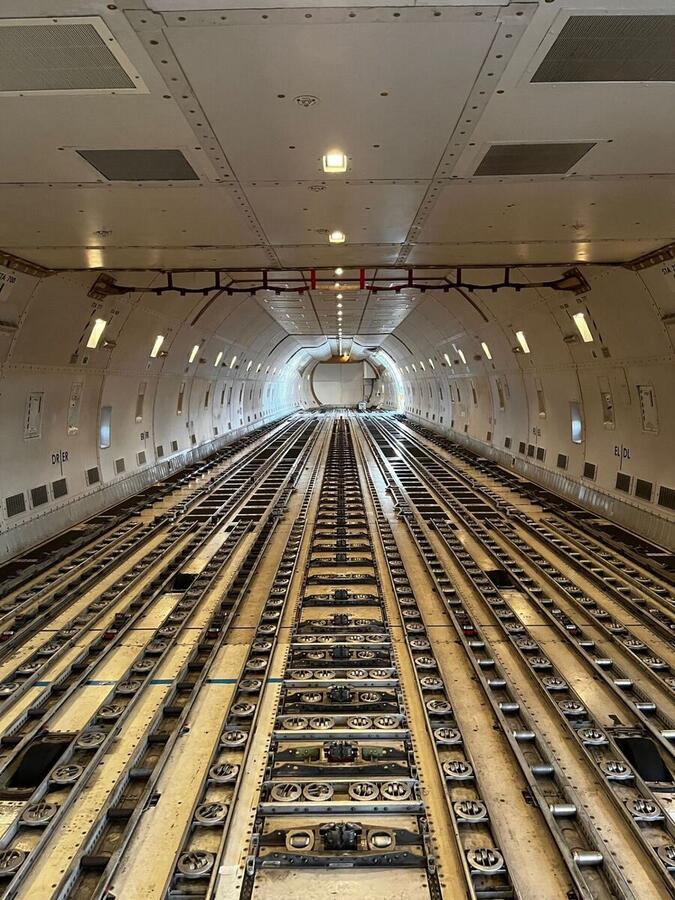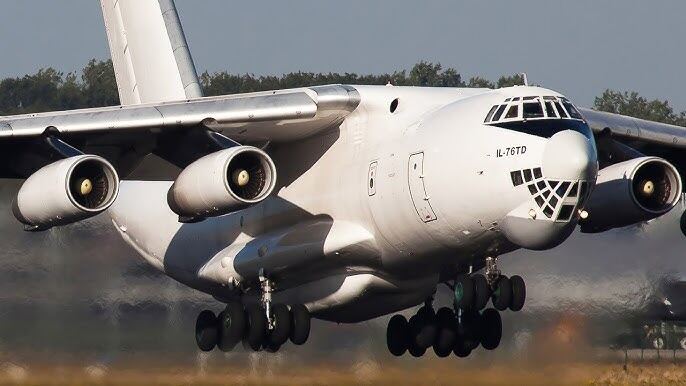
Dangerous goods (DG) are cargo classes that present a risk in transport: explosives, gases, flammable liquids and solids, oxidising substances, toxic and infectious substances, radioactive material, corrosives, and the broad category that covers lithium batteries, magnetised material, dry ice and a few other miscellaneous items. Air transport of DG is governed by the IATA Dangerous Goods Regulations and the equivalent ICAO Technical Instructions. Charter is often the right answer for DG cargo at scale because scheduled freighters limit the quantities and combinations they will accept on any one flight.
This guide describes how dangerous goods cargo charter works in Australia. Aviall holds full IATA Dangerous Goods capability across the commonly carried classes including Class 9 lithium and runs DG missions through the same cargo charter service that handles general freight.
The IATA dangerous goods classes
DG is classified into nine classes, several of which subdivide further:
Class 1: Explosives, with subdivisions for mass explosion, projection and minor hazard.
Class 2: Gases, including flammable, non-flammable and toxic.
Class 3: Flammable liquids.
Class 4: Flammable solids, spontaneously combustible substances and substances dangerous when wet.
Class 5: Oxidising substances and organic peroxides.
Class 6: Toxic and infectious substances.
Class 7: Radioactive material.
Class 8: Corrosive substances.
Class 9: Miscellaneous, the catch-all that includes lithium batteries (UN3480, UN3481), magnetised material, dry ice and other items not fitting the first eight classes.
Most commercial DG charter cargo falls into Classes 2, 3, 8 and 9, with lithium batteries (Class 9) accounting for an increasing share as the energy storage and electric mobility sectors grow.
Why charter is often the right answer for DG
Scheduled freighters and passenger belly capacity accept DG, but with limits. Each flight has a maximum quantity per class, restrictions on what can be combined on the same flight, and operator-specific exclusions. Many DG shipments at scale exceed scheduled-flight limits or include combinations that scheduled operators decline.
Charter solves these constraints by dedicating the aircraft to one shipper. The operator's limits still apply (some operators decline certain DG classes outright), but within those limits the cargo can be configured to fill the aircraft.
DG charter is also operationally cleaner: one shipper, one set of paperwork, one acceptance process. Mistakes in DG paperwork are the most common cause of cargo being rejected at acceptance, and the single-shipper structure of a charter compresses that risk.
Packaging and paperwork
DG cargo is accepted on the basis of the packaging and the paperwork meeting IATA requirements. The packaging must be UN-rated for the class, properly closed, properly marked and properly labelled. The paperwork must include the shipper's declaration for dangerous goods (DGD), the airway bill with appropriate notation, and any class-specific documentation such as a radioactive material data sheet for Class 7.
Aviall's cargo desk reviews DG paperwork and packaging before aircraft commitment. Packaging that does not meet UN requirements, or paperwork with errors, is identified at desk review rather than at the aircraft. This is the single most important operational step in DG charter.
Aircraft constraints
Not every freighter accepts every DG class. Several operational factors come into play:
Operator approval. Each operator has its own DG approvals based on its operations specifications. Some operators decline Class 1 or Class 7 entirely.
Aircraft type. Some DG classes are restricted to cargo aircraft only (CAO) and cannot fly on passenger aircraft. The shipping document must specify CAO where applicable.
Stowage. DG cargo has stowage rules that govern segregation between incompatible classes, distance from crew compartments, and orientation. Loading is supervised against a load plan that satisfies these rules.
Lithium batteries. Class 9 lithium has its own packaging and quantity rules that have tightened over the past decade. Aviall's desk runs the lithium-specific checks (UN3480 vs UN3481, state of charge, packaging type) before acceptance.
Common DG cargo profiles in Australian charter
Mining and resources: explosives for site blasting, lithium battery shipments for haul truck and equipment electrification, lubricants and chemicals for processing plant, gas cylinders for site operations.
Defence: ammunition, pyrotechnics, batteries, fuel and chemicals for exercises and sustainment.
Aerospace and AOG: aircraft batteries, oxygen generators, escape slide modules (which contain pyrotechnic devices), hydraulic fluids.
Energy: chemicals for oil and gas operations, batteries for offshore platforms, gas detection equipment.
Pharma and biotech: dry ice (Class 9), some pharmaceutical actives (Class 6.1 in concentrated form), some clinical trial materials.
E-commerce and electronics: lithium batteries in finished goods, magnetised components.
The operational sequence for a DG charter
DG charter follows the standard cargo charter workflow with one additional thread:
Enquiry: cargo desk captures the DG class, UN number, packing group, total quantity, packaging type, and shipper.
DG review: the desk's DG specialist reviews the packaging, paperwork and proposed loading against IATA and operator-specific requirements. Issues are flagged before aircraft commitment.
Aircraft sourcing: operators with the appropriate DG approvals are approached. Quotes reflect the DG handling premium.
Booking: confirmed in writing, with the DG paperwork attached.
Acceptance: the cargo is presented at origin against the DG paperwork. Acceptance is the formal point at which the cargo becomes the operator's responsibility.
Loading: stowage to the agreed load plan, with segregation enforced.
Flight and arrival: standard cargo charter, with the destination handler briefed to accept DG cargo and the customs broker briefed on the DG paperwork.
Frequently asked questions
Can you charter dangerous goods cargo from any Australian airport?
Yes, with some practical constraints. Most major Australian airports support DG cargo handling. Some smaller airports do not have DG-trained ground handling, in which case the cargo is staged through a major airport. Aviall plans against the practical capability rather than the theoretical access.
Are there DG classes you cannot charter?
Some classes are difficult to source aircraft for at short notice (Class 1.1 mass-explosion explosives, certain Class 7 radioactive materials). Aviall is honest at first call about which classes can be flown inside the customer's window and which cannot.
Do you handle the DG paperwork or do I have to provide it?
The shipper is responsible for the DG declaration under IATA rules. Aviall reviews the paperwork, identifies issues before aircraft commitment, and works with the shipper to correct anything that would cause acceptance to fail. Aviall does not sign the DGD as the shipper.
Can lithium batteries fly on a charter?
Yes. Aviall regularly arranges lithium battery charter (UN3480, UN3481) for mining, defence, aerospace and electronics customers. The packaging, state of charge and quantity rules are checked at the desk before booking.