Remote mining is unforgiving on supply chains. A relatively low-cost component can stop a process plant generating significant revenue per hour. Consumables, spares, perishables for the mess and crew rotations all need to be on site by the shift they are required, regardless of how routine they look on paper.
The walk-through below is illustrative rather than a specific case study. It describes how a contracted freighter program into a remote PNG mine is typically structured by Aviall Group, without identifying any specific operator, site, route or aircraft.
The brief
A typical brief involves a resources operator running a remote site in the PNG Highlands, lifting consumables, spares, perishables and crew rotations from a coastal staging airport to a mine-side strip. The existing arrangement is often a mix of scheduled coastal freight and ad-hoc third-party charter, which generally works week to week but exposes the operator around shutdowns and whenever the incumbent operator has availability problems.
The objective is straightforward: deliver an agreed weekly cargo volume to the mine on a defined schedule, at a target cost per kilo, with contracted backup capacity available for month-end peaks and primary aircraft failures.
How the program is typically structured
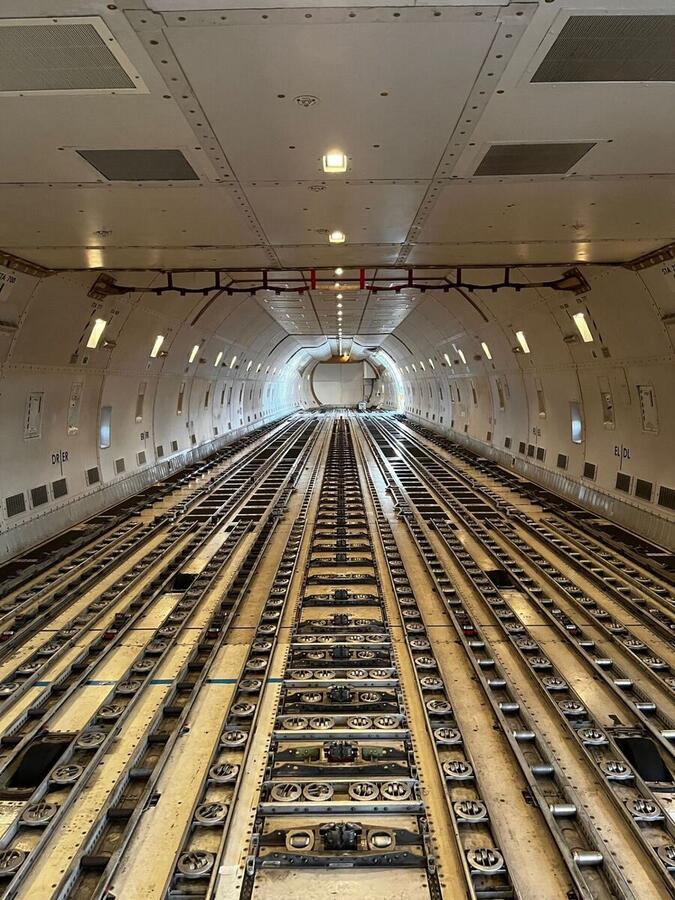
Programs of this kind are usually structured as a hybrid. A dedicated aircraft on a fixed weekly schedule, sized for the typical weekly cargo profile, supported by a second aircraft contracted on call-off for end-of-month spikes and as live contingency for the primary. Aircraft selection is driven by the strip itself before the rate card: pavement classification, runway length, density altitude considerations and the surrounding terrain rule most of the candidate fleet out before commercial terms are discussed.
The primary aircraft typically sits on a block-hour contract with a minimum monthly utilisation, providing the operator with a predictable monthly cost and giving the program the utilisation profile required to commit a dedicated airframe and crew. The contingency aircraft sits on a call-off arrangement with an agreed activation lead-time and pre-agreed rate, so commercial terms are not being negotiated in the middle of a problem. A named backup operator is normally written into the program from the outset to cover an unserviceable primary.
The weekly rhythm
The mining operator's logistics team submits the manifest in advance of each flight. The program manager runs it against weight and balance, screens for dangerous goods and segregation, confirms slots and handlers at both ends, files the operational flight plan and confirms the duty crew. The aircraft positions, loads, flies, unloads and repositions. The same rhythm repeats every week.
The work that actually earns the contract is exception management. Mine strips of this kind close for weather a number of days each year, and the morning observation is usually the only reliable predictor. Manifests change inside the cut-off because a spare has become urgent or a feeder has slipped. Aircraft will go unserviceable at some point over a long-running program. When any of these happens, the backup must activate inside the contracted lead-time or the program SLA is what fails instead of the cargo arriving.
What makes a program of this type work
Nothing dramatic. Aircraft selected for the strip rather than the rate card. Backup capacity written into the contract from day one rather than scrambled for under pressure. A single named program manager on the Aviall side, so the operator has one point of contact who owns door-to-door performance. Standardised paperwork and processes between Aviall and the operator's logistics team, so manifest cut-offs, dangerous goods declarations and weight and balance reviews follow the same pattern each week.
The same principles carry across most contracted supply chain programs Aviall Group runs, whether the customer is in mining, energy, defence sustainment or humanitarian rotations. The geography changes the aircraft type and the operating profile. The structure of how a program is run does not change much.