An air ambulance mission looks simple from the outside, patient onto the aircraft, aircraft to the destination, patient off the aircraft. The reality is several parallel workflows that have to converge at the right moment, with the clinical mission setting the pace and the operational mission keeping up. What follows is how a mission is actually built and run, step by step.
Step 1, The first call and clinical handover
Most air ambulance missions begin with a call from a sending hospital, an assistance company, an insurer or a corporate medical officer. The first conversation is clinical: what is the patient's condition, what level of care are they currently receiving, what is the diagnosis and prognosis, what investigations have been done, and what is the receiving facility going to need on arrival.
The medical control desk at the operations centre takes this handover and decides three things in parallel. First, is the patient fit to fly at all, and at what altitude. Second, what level of clinical capability needs to be on the aircraft, which translates to crew and equipment configuration. Third, what the realistic activation window looks like.
Step 2, Aircraft selection
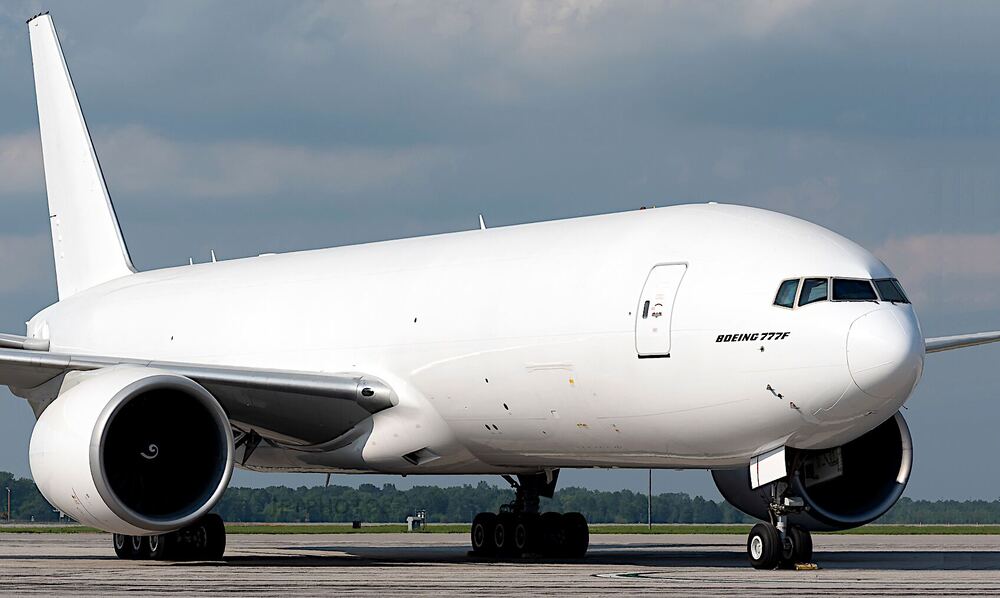
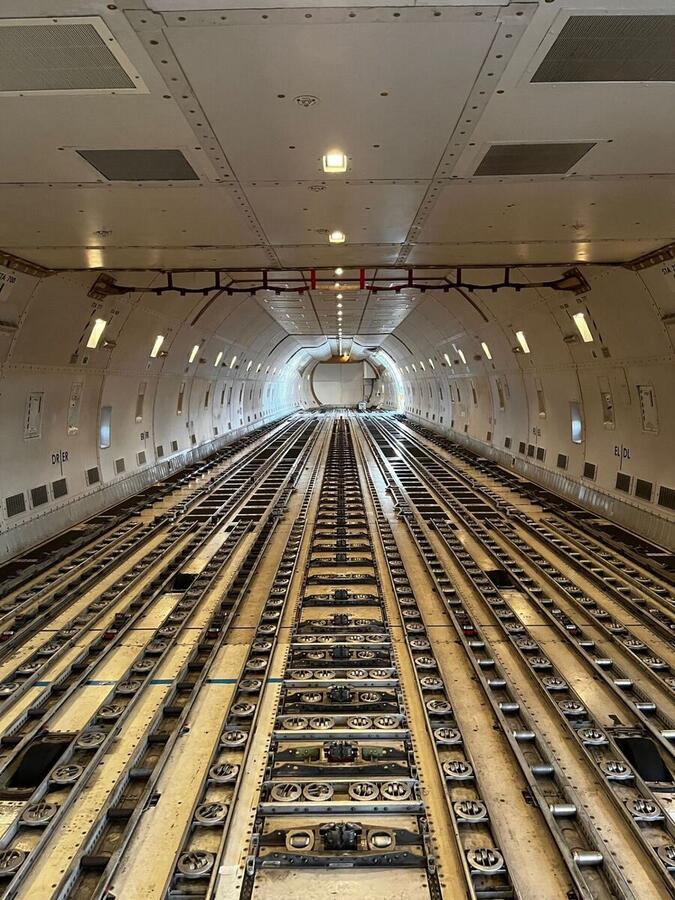
Aircraft choice is a clinical decision as much as an operational one. Cabin pressurisation determines the maximum altitude the patient is exposed to, which matters for cardiac, respiratory and neurological cases. Cabin width determines whether a clinician can work both sides of the patient simultaneously. Stretcher loading geometry determines whether spinal precautions can be maintained. Range determines the number of tech stops, and every tech stop is a clinical handover with risk attached.
Light jets handle short regional missions with one patient and a two-person clinical team. Mid-size jets handle longer continental sectors with full ICU configuration. Long-range and ultra-long-range jets handle intercontinental missions in one or two sectors. The right aircraft is the one that matches the patient and the route, not the cheapest available.
Step 3, Crew and equipment configuration
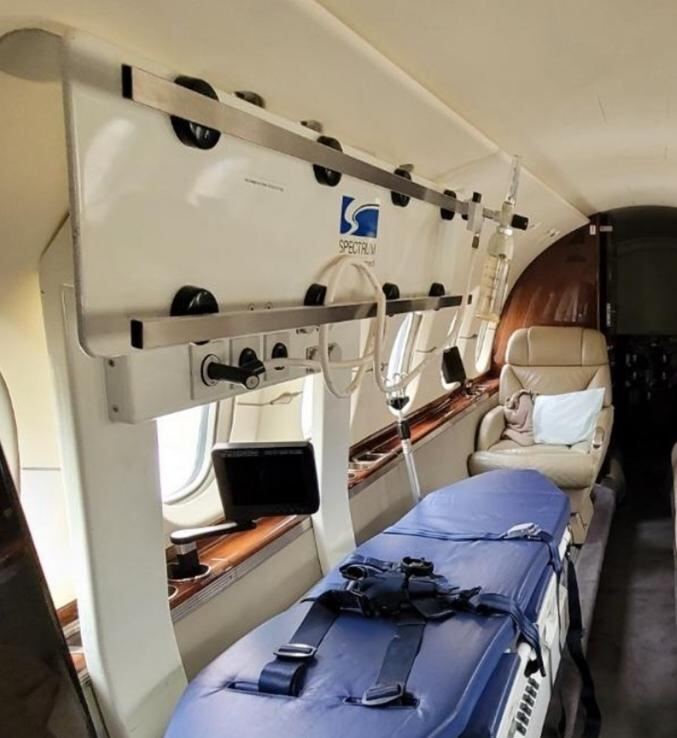
The clinical team is selected against the patient's acuity. Baseline is a physician plus a flight nurse or paramedic. Specialist crews, neonatal teams with incubators, paediatric teams, ECMO teams, bariatric teams, are tasked when the case requires them. The team's qualifications are matched to the case, not pre-assigned generically.
Equipment is loaded against the patient profile. Baseline ICU configuration includes ventilator, multi-channel infusion pumps, multi-parameter monitoring, defibrillator and point-of-care laboratory. Specialist devices, incubators, ECMO circuits, isolation units, balloon pumps, are added per mission. Drug and consumable stock is tailored to the case, not standardised across all flights.
Step 4, The operational layer (running in parallel)
While the clinical team is preparing, the operations desk is running the operational layer. Overflight and landing permits in every jurisdiction on the route. Customs and immigration arrangements at both ends. Ground ambulance at sending and receiving airports, briefed against the clinical handover. Receiving hospital bed confirmation and ICU acceptance. Insurance and assistance company authorisation, costing and documentation. Family liaison and travel arrangements for an accompanying member.
The aircraft does not commit until enough of these threads are confirmed to make the mission executable. Nothing kills a clinical mission faster than wheels-up with a permit gap or a receiving hospital that has not actually confirmed a bed.
Step 5, Bedside to aircraft
Ground transfer at the sending end is coordinated against the clinical timing. The aircraft positions to the airport, the ground ambulance brings the patient with the sending clinical team, and the handover happens planeside. The flight crew briefs both the road and the air clinical teams; the patient is loaded onto the aircraft stretcher with the sending team supporting; the road team departs once the air team has accepted clinical responsibility.
Step 6, In flight
Most clinical decisions in flight have been framed before departure, transfer thresholds (the parameters within which the patient can be safely flown), drug regimens, and contingency plans for likely deteriorations. The retrieval doctor manages the patient against those thresholds. The medical control desk on the ground stays available for clinical consultation throughout the flight.
On long sectors, tech stops are managed as clinical events as well as operational ones. The patient remains on the aircraft where possible to minimise handover risk; ground time is kept as short as the operational requirement allows.
Step 7, Arrival, ground transfer, receiving handover
Customs and immigration at the receiving end have been pre-arranged so that the patient and clinical crew clear quickly. The receiving ground ambulance is on the apron when the aircraft lands. Handover from the air clinical team to the road team is structured against the same clinical handover protocol used at the sending end. The patient is delivered to the receiving facility's bedside and clinical handover happens with the receiving consultant.
From the customer's point of view, the mission is over when the patient is in the receiving bed. From the operations desk's point of view, the mission closes once documentation is complete and any insurance and assistance company reporting is done.
What this looks like in practice
The structure above runs whether the mission is a ninety-minute regional retrieval or a twenty-four-hour intercontinental repatriation. The same workflows apply at different scales. The variation between missions is in the clinical complexity, the route complexity and the international coordination, not in the underlying structure of how the mission is built and run.