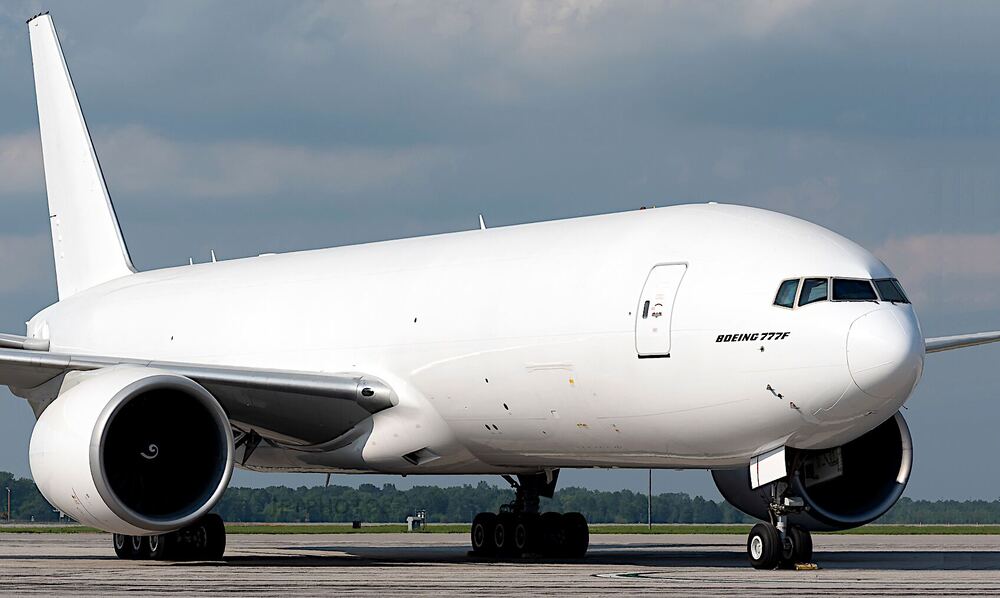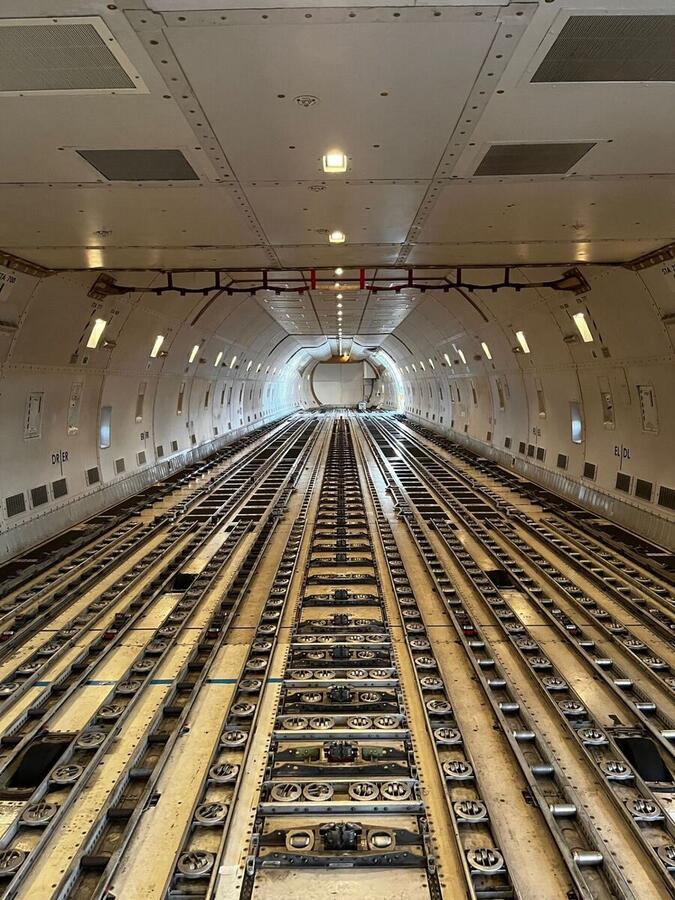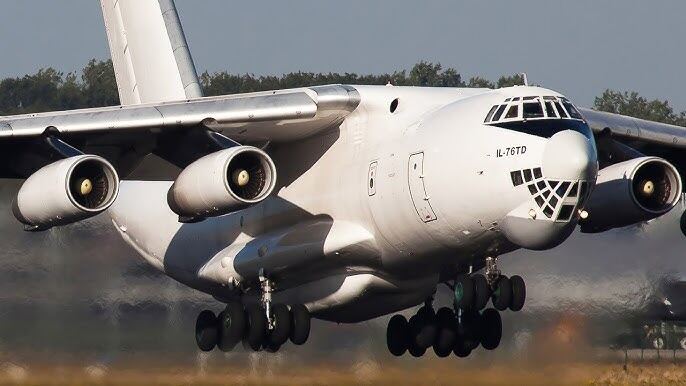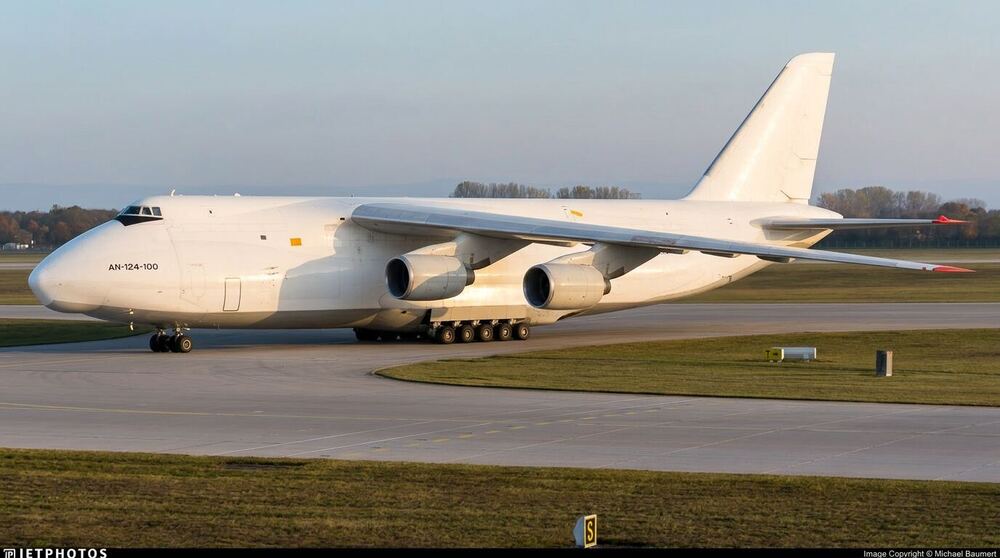
Emergency air charter in a crisis situation is not a faster version of normal charter. It is operationally a different category of work, one where the bottleneck is rarely the aircraft, almost always permits, ground access, and decision discipline at both the requesting agency and the operator. Programs that respond well in crises are programs that have done the work in calm periods to make a fast response possible. Programs that try to assemble the response on the day are usually a day late, regardless of how willing they are to pay.
What follows is how emergency air charter actually works in disaster, humanitarian and government-tasked crisis situations, and what separates the programs that respond in hours from the ones that respond in days.
What 'emergency' means in this context
Emergency air charter covers a defined set of activations. Disaster response, earthquake, cyclone, flood, wildfire, where the requesting party is a government, a UN agency, a major NGO or an insurance program. Humanitarian crises, outbreak response, displacement, food and shelter movements into areas where scheduled access has collapsed. Government and military tasking, non-combat evacuation, diplomatic movements, urgent supply into areas of operations. Major-incident industrial response, pipeline ruptures, mine collapses, offshore incidents requiring urgent equipment and personnel movement.
What unifies these activations is that the timeline is set by the event, not the freight. The requesting party cannot wait for scheduled rotations or normal lead times. The operator that can mobilise inside the event window is the operator that gets the work.
Where the time goes
Outside observers focus on aircraft sourcing because it is the most visible step. Inside operations, aircraft sourcing is rarely the limiting factor. The real time sinks in an emergency activation are usually permits and ground access at the affected end.
Overflight and landing permits in jurisdictions where standard issuance is twenty-four hours or longer. Customs clearance for aircraft, crew and cargo arriving outside normal channels. Apron space at airports that may have damaged infrastructure or competing humanitarian arrivals. Ground handling capacity at airfields not designed for the volume that crisis response generates. Fuel uplift at airports where local fuel infrastructure has been disrupted.
The desks that respond fastest are the ones that have pre-existing relationships with the relevant CAAs, handlers and ground services in the geographies where they expect to operate. Those relationships are built in normal times, not in the moment.
Standing capability is what allows fast response
The operational infrastructure that makes fast emergency response possible is unglamorous and is built outside crisis periods. Pre-cleared aircraft and operators on the relevant operating certificates. Standing pricing and indemnity agreements with the major requesting agencies, so that a verbal activation can move into operations without a contract negotiation in the moment. Pre-screened crews trained for high-stress operating environments. Cargo in air-ready configurations, palletised, manifested, screened, DG-cleared, so that day-one shipments do not require packaging and documentation under crisis conditions.
Programs that maintain this infrastructure respond in hours. Programs that try to assemble it under crisis conditions respond in days. The difference is operational discipline in normal times, not capability in the moment.
How a typical activation runs
An activation usually begins with a call from a requesting agency, a humanitarian cluster lead, a government emergency management agency, an insurance program coordinator, or in some cases directly from a corporate emergency response team. The first conversation is mission scope: what is the cargo, what are the passengers, what is the origin and the destination, what is the operating window, and what authority chain is the activation running through.
From there the operations desk runs aircraft sourcing, permits, ground access and crew tasking in parallel rather than in sequence. The first executable wheels-up window is typically returned within an hour for a contracted program with standing arrangements, and within four to twelve hours for an ad-hoc activation where the standing arrangements are not in place.
Once the aircraft is committed, the desk holds the operational layer through the duration, slot adjustments, permit revisions, ground access changes, fuel arrangements at any tech stops. Emergency missions almost never run exactly to the original plan; the desk's job is to keep the mission on the recovery window even when the operational variables move.
What this looks like for the requesting party
From the requesting agency's point of view, the emergency air charter operator should be able to give an executable answer inside the first hour, hold the mission together through whatever operational changes happen, and close out with the documentation that the agency's reporting requirements need. The operator should also be willing to say no, to decline missions that cannot be run safely or that fall outside the operator's certifications.
Aviall runs emergency activations the same way the rest of the operation runs, with the same standards on aircraft selection, paperwork and operational discipline. The difference in crisis work is that the planning happens in the calm periods between events, so that when an event happens at four in the morning on the other side of the region, the operational answer is already most of the way to wheels-up.