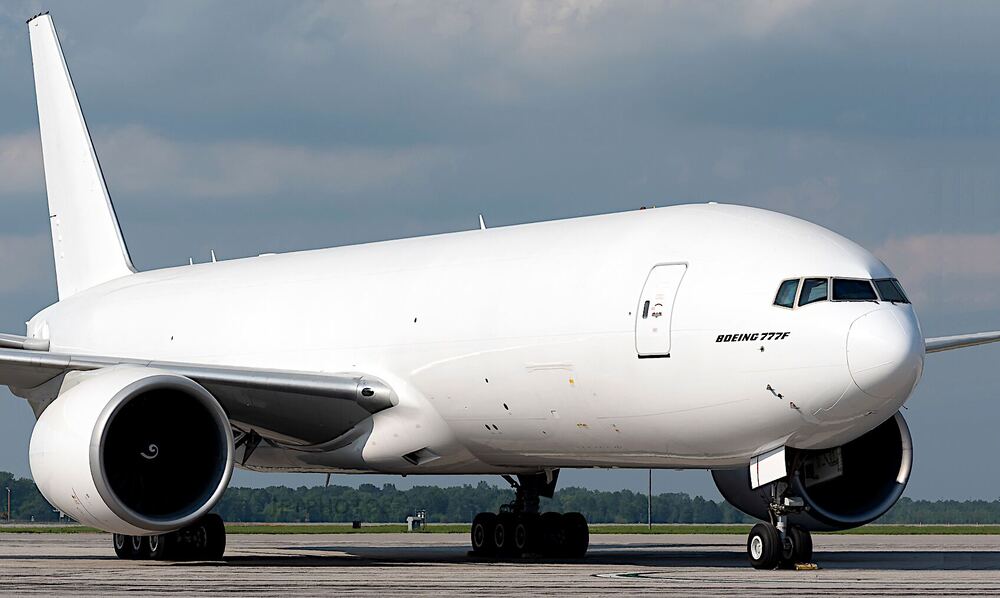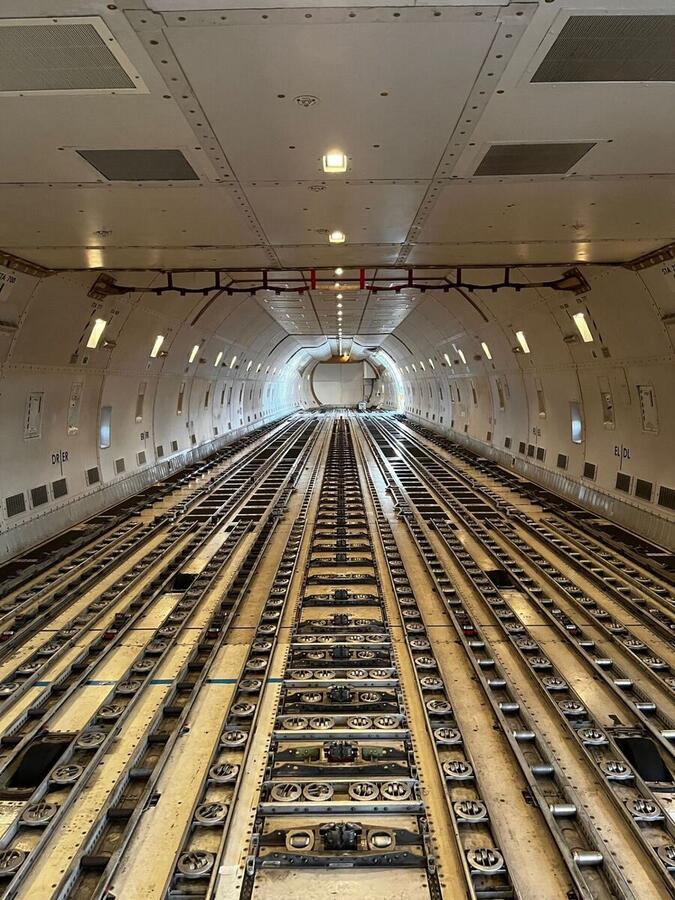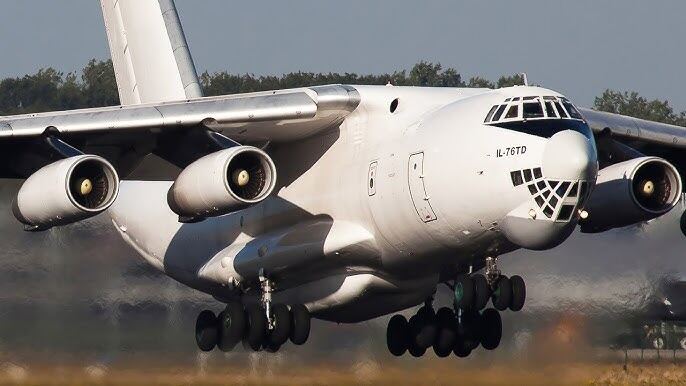
When a disaster happens, earthquake, cyclone, sudden conflict-driven displacement, large-scale outbreak, the public conversation tends to focus on the dramatic part. Aircraft on tarmacs. Pallets being loaded. Wheels-up at first light. The visible operations. For the standing capability behind these responses, see humanitarian cargo charter and emergency air charter.
The humanitarian airlift programs that actually deliver in the first 48 hours of a crisis are doing very little that is dramatic. They are executing a plan that was built quietly months or years before the event, by teams who understood that response time is decided in advance, not in the moment.
Pre-positioned capacity is the foundation
The fastest humanitarian responses are the ones where someone has already done the work of staging relief supplies in regional warehouses close to where they will be needed. The major UN agencies, ICRC, MSF and the larger international NGOs maintain pre-positioned stocks at hubs across the regions they operate in. When an event happens, the airlift question shifts from 'where do we source the aid' to 'how do we move what we already have to where it now needs to be'. That is a much faster conversation.
On the aircraft side, a similar discipline applies. Operators with humanitarian programs maintain visibility on which airframes can be released on humanitarian rates inside short windows, which crews are trained for the operating environments concerned, and which aircraft are configured to handle the typical relief cargo profile (food parcels, water, shelter kits, medical supplies, generators).
Standing agreements remove negotiation from the critical path
The slowest part of any unplanned charter is commercial negotiation. In a humanitarian response, negotiating rates and terms during the first 24 hours of a crisis is a near-guarantee that the aircraft will not be moving inside that window. The agencies that respond fastest have signed framework agreements with charter providers in advance, pre-agreed rate structures, pre-agreed terms, pre-agreed activation procedures. When the event happens, the agency calls a number, references a contract, and the aircraft starts moving while the paperwork follows.
These agreements are unglamorous, take months to negotiate, and only matter on the day they are activated. Programs that skip them in normal times pay for it, in time, every single response.
Permits and access are the binding constraint
Disaster response often happens in geographies where overflight, landing and customs clearance are not formalities. Some affected states process humanitarian clearances quickly. Some do not. Some require diplomatic channels that take days. The desks and agencies that respond fastest are the ones that maintain relationships with the relevant civil aviation authorities outside of crisis moments, so that when an event happens, the request is being processed by someone who already knows the program and trusts the operator.
Airport access at the destination end is often the actual bottleneck. Damaged runways, congested aprons with too many simultaneous arrivals, shortage of ground handling, lack of fuel uplift. UN HAS, the WFP-led humanitarian air service, and the cluster system exist partly to coordinate this so that arriving aircraft are not all sitting on a single damaged airfield competing for the same handler.
Cargo readiness on day one
Cargo that is palletised, manifested, screened and DG-cleared in normal times moves on day one. Cargo that needs to be packed, screened and documented under crisis conditions moves on day three or four, regardless of how fast the aircraft is sourced. The agencies that do this well maintain relief stock in air-ready configurations as a matter of routine. The cost is the warehouse discipline. The benefit is hours that genuinely save lives.
How we approach humanitarian aviation
Humanitarian work runs best when it is treated as a category in its own right rather than as an exception to commercial business. Dedicated points of contact for the major agencies. Pre-cleared aircraft and crews for the typical response geographies. A clear position on rates, indemnity and operational risk for high-stress environments. A willingness to make decisions inside hours rather than days when the call comes in.
We run humanitarian rotations the same way we run any other contracted cargo charter program, with the same standards on aircraft selection, paperwork and operational discipline. The difference is that the planning happens in calm periods, so that when something happens on the other side of the region at four in the morning, the answer is already three quarters of the way to wheels-up.