Air charter cost in Australia is one of the most-asked questions and one of the least usefully answered online. Most published numbers are either generic global averages or sales-driven figures pulled from one favourable mission. The honest answer is that the price is a function of the mission, and the mission has six or seven major variables. This guide walks through what those variables are and what indicative numbers look like in 2026 across the aircraft types most often chartered in and out of Australia.
Aviall arranges cargo, group passenger and medevac charter from Melbourne, Sydney, Brisbane and every other Australian capital. The numbers below reflect what the operations desk actually sees on quotes returned in 2026, expressed as ranges rather than headline averages.
What drives the cost of an air charter
Charter pricing is built bottom-up against the mission, not from a per-hour rate card. The major drivers are aircraft type, total flight hours including any positioning legs, fuel uplift, crew duty cost, ground handling at both ends, navigation and overflight permits, parking and slots, insurance, and any specialist requirements such as IATA Dangerous Goods handling, oversize ground equipment, or ICU-grade clinical crew on a medevac.
The single largest lever the customer controls is lead time. The same mission booked four weeks out and booked four hours out can vary by twenty to fifty percent because the second booking has fewer aircraft options and more positioning cost.
Cargo charter cost in Australia, by aircraft tier
Cargo charter pricing in Australia spans roughly two orders of magnitude depending on the aircraft.
Regional freighter (737F, ATR-72F class), 20 to 25 tonnes, short-haul east-coast or trans-Tasman: typically AUD $40,000 to $90,000 for a single sector with limited positioning.
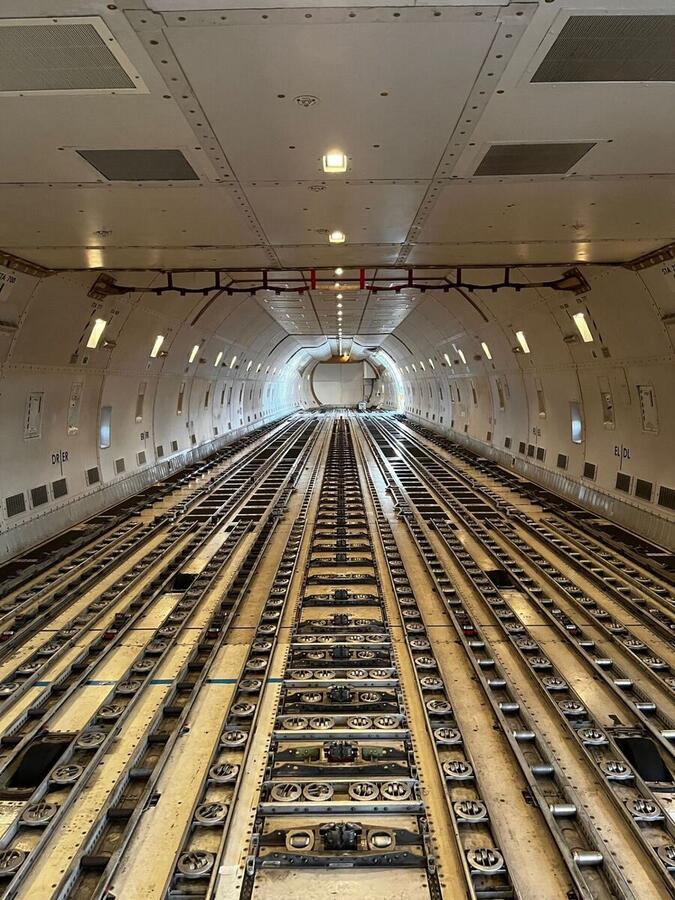
Mid widebody (A300F, 767F class), 40 to 60 tonnes, regional intercontinental into Southeast Asia or the Pacific: typically USD $120,000 to $280,000.
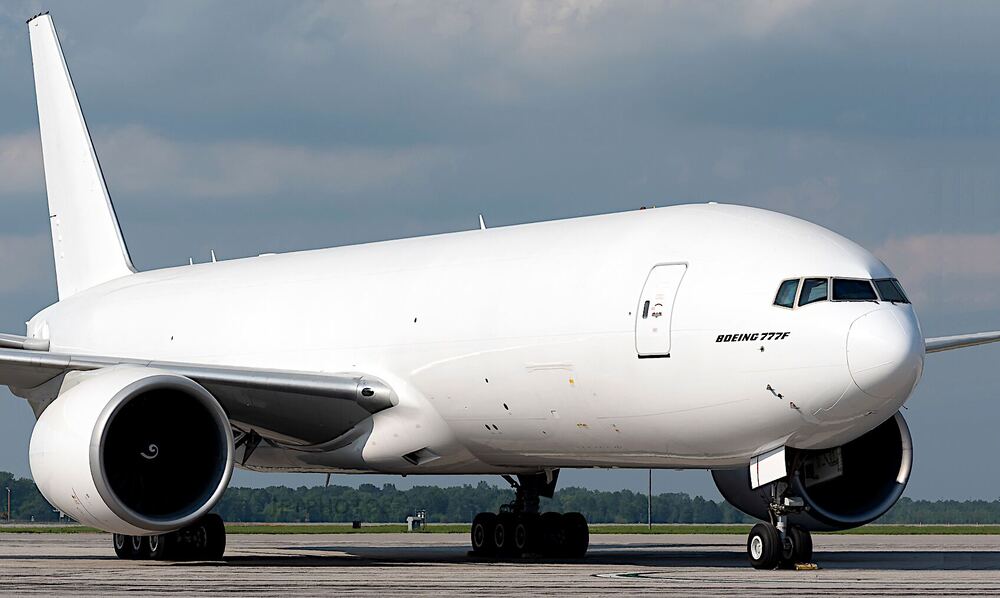
Heavy widebody (777F, 747F class), 90 to 110 tonnes, intercontinental into North Asia, the Middle East or North America from a major Australian gateway: typically USD $300,000 to $700,000.
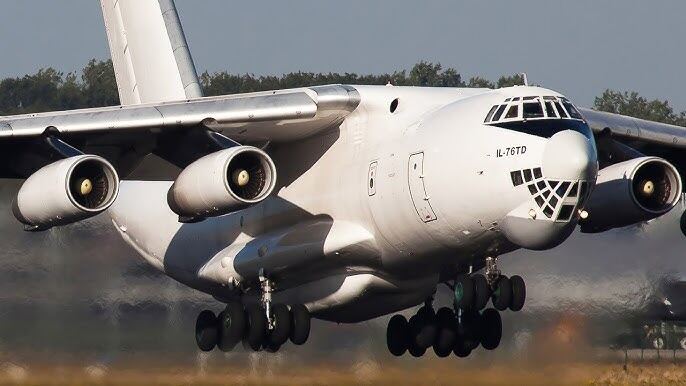
Outsize freighter (IL-76 50 t, AN-124 120 t class) for genuine project cargo: typically USD $500,000 to $1.5 million-plus, depending heavily on positioning from the aircraft's last station.
For a deeper breakdown of cargo aircraft and their economics, see the global cargo aircraft comparison and the cargo charter cost page.
Group passenger charter cost in Australia
Group charter is priced against block hours, aircraft type, crew rotation and the depth of the cabin service. Indicative 2026 ranges:
Light jet (Citation, Learjet class), 6-9 pax, short-haul intra-Australia: typically AUD $20,000 to $45,000 per sector.
Mid-size or super-mid jet (Challenger, Falcon class), 9-14 pax, longer domestic or trans-Tasman: typically AUD $35,000 to $80,000 per sector.
Regional turboprop (Dash 8, Saab 340 class), 30-50 pax, FIFO or short-haul group: typically AUD $25,000 to $60,000 per sector.
Narrowbody jet (737, A320 class), 120-180 pax, sports and corporate group movements: typically AUD $80,000 to $180,000 per sector.
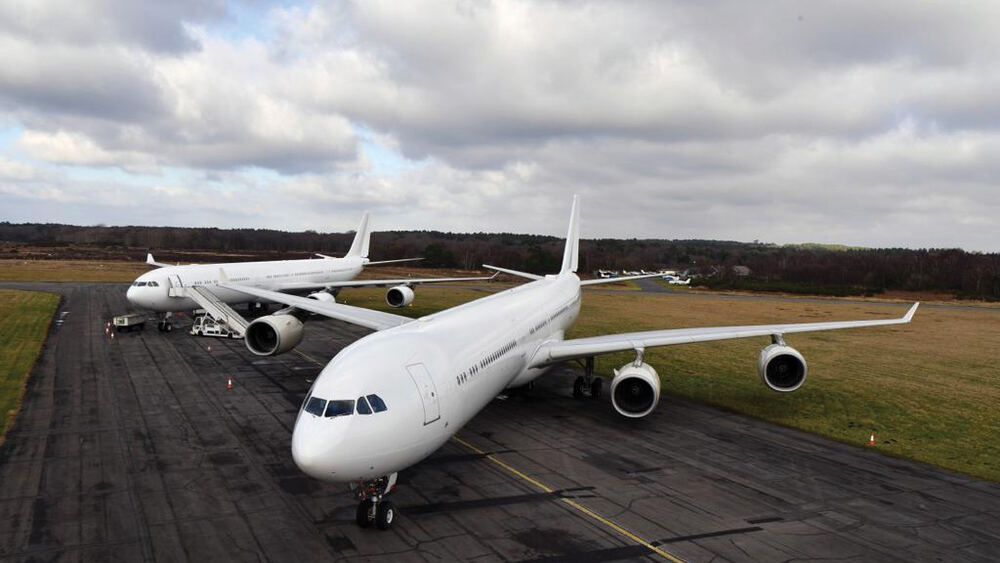
Widebody jet (787, A330 class), 250-340 pax, long-haul group: typically AUD $200,000 to $500,000-plus per sector.
See group charter flights for the full pricing framework and what is and isn't included in a written quote.
Medevac cost in Australia and the Asia-Pacific
Medevac pricing depends on aircraft range, the clinical configuration required, and the number of crew. Short Pacific-island sectors on a King Air with a doctor and flight nurse typically run from USD $25,000 to $60,000. Long-range trans-Pacific or Asia-Australia transfers on a Challenger or global-class jet with full ICU loadout typically run from USD $90,000 to $250,000-plus. See air ambulance cost for the full clinical and operational breakdown.
Where the price moves between quote and invoice
Two superficially similar quotes for the same mission can differ by twenty to forty percent. The cheaper quote is sometimes cheaper because it has not properly accounted for positioning, fuel uplift at the actual airfields used, or the permits required. Those costs reappear as variations on the day. The more expensive quote is sometimes more expensive because it has been honest about all of those things upfront.
When comparing charter quotes in Australia, ask: what positioning legs are assumed and at what fuel rate; what permits are assumed and which are at risk of taking longer than the operational window; what ground handling is confirmed versus pending; and what is the wheels-up window expressed as a worst-case range.
How to control the cost
Three things move the number more than anything else the customer can do. Lead time, because more notice means more aircraft options and less positioning. Flexibility on origin or destination airport, because a 30-minute road move at the destination can avoid a much larger slot or curfew premium. And clarity in the first call, because a precise mission spec returns a precise quote, while a vague spec returns a defensive quote with margin built in for unknowns.
Frequently asked questions
What is the cheapest air charter available in Australia?
The cheapest practical air charter in Australia is a light single-engine or twin-engine piston for short regional sectors, often used for non-urgent freight or small group transfers. These typically start in the low five-figure AUD range per sector. For genuine on-demand charter into a credible operational standard, light jets and turboprops from AUD $20,000 to $30,000 per sector are the realistic floor.
Does charter cost include fuel and crew?
Yes. A properly built written charter quote in Australia includes aircraft, crew, fuel at agreed uplift rates, ground handling at both ends, navigation and overflight charges, insurance, and operator margin. It does not normally include third-party costs incurred outside the operator's control such as customs duty, hotel cost on extended ground stops, or ground transport at the destination beyond apron handling.
Can you charter a plane in Australia for under $10,000?
Almost never on a turbine aircraft. Block hour costs on even the smallest turbine charter aircraft mean a single sector typically starts in the low to mid five figures AUD. Sub-AUD $10,000 quotes usually relate to small piston aircraft on very short sectors, or to pre-existing empty-leg repositioning flights that happen to suit the customer's route.
Why does the same mission cost different amounts on different days?
Aircraft availability, fuel price, slot availability and positioning distance all move day to day. The same mission flown on a Tuesday with the aircraft already at origin can be materially cheaper than the same mission on a Saturday with the aircraft positioning from another country.