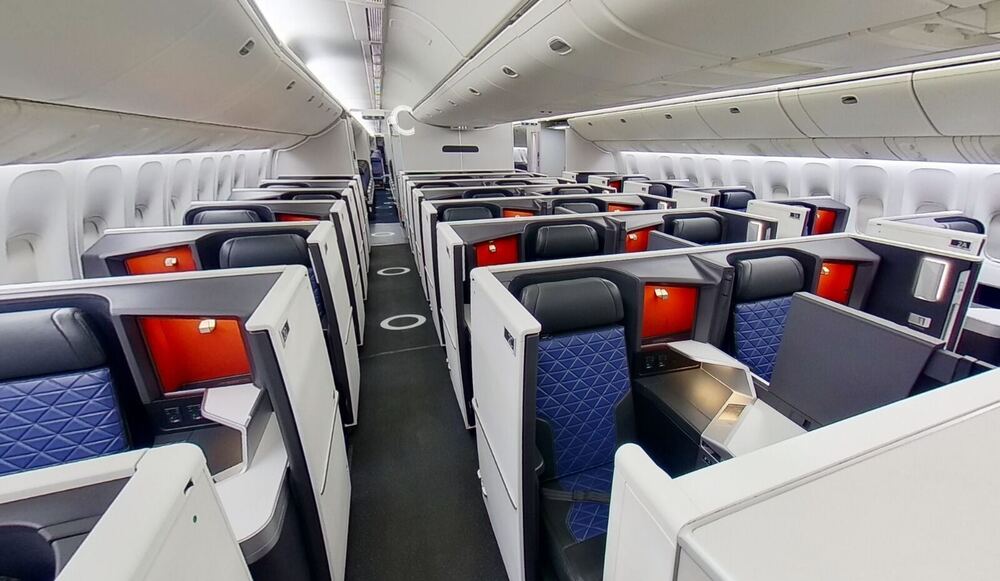
Premium charter cabin configured for a touring party
    24/7 Operations Desk · Active Now

    Touring · Artists, Crew & Production

    Music & Touring Charter Flights

    Tour routing is decided by load-in times and show dates, not airline timetables. Charter puts the party, the crew and the gear on the schedule the tour actually runs to.

    Already have an RFQ prepared? Email charters@aviall.com.au

    Show-date led
    Routing basis
    Gear included
    Equipment with the party
    <60 min
    Quote turnaround
    24/7
    Schedule changes

    Touring runs on load-in, not on timetables

    A tour schedule is built backwards from doors. Load-in, sound check, support times and curfew set the day, and the travel has to fit inside them. Scheduled aviation rarely does: the useful flight leaves before the previous night's load-out finishes, or arrives after the next venue's load-in window has closed.

    Charter reverses that relationship. The aircraft departs when the tour is ready and arrives when the next venue needs the party on site. On multi-city runs with consecutive show dates, that difference is often what makes a routing possible at all rather than merely more comfortable.

    The practical pattern in Australia is a run of capital-city dates with regional shows interleaved. Regional venues are exactly where scheduled connections cost a day, and where a charter into the nearest usable airport recovers it.

    Artists, crew and party structure

    A touring movement is rarely a single homogeneous group. There is usually a core artist party, a production and technical crew that travels on a different clock, and sometimes support acts, management, security and media. Those groups do not always need to be on the same aircraft or on the same timings.

    We build the movement around that structure. A common pattern is production and crew moving early to make load-in, with the artist party following later on a smaller aircraft; another is the whole touring party together on one narrowbody where the schedule permits and the economics favour it.

    Privacy and discretion are a standard part of the brief, not an add-on. Charter departures can generally be processed through a general aviation terminal or FBO with minimal public exposure, and ground transport staged airside where the airport allows it.

    • Artist party, production crew and support acts sequenced to their own call times
    • Whole-party single aircraft where schedule and economics favour it
    • FBO or general aviation terminal processing for discretion where available
    • Airside ground transfers where the airport permits

    Backline, instruments and production equipment

    Touring gear is the part of the movement that most often decides the aircraft. Flight cases are bulky rather than heavy, so hold volume usually binds before weight does, and hold door dimensions set a hard limit on the largest cases.

    Where hold volume is short, the options are cabin loading on suitably configured aircraft, a combi arrangement with equipment on part of the main deck, a larger aircraft, or a separate freight movement running ahead of the party. For larger productions the separate freight movement is frequently the right answer, with only critical instruments and personal gear travelling with the party.

    Production equipment almost always contains lithium batteries, wireless systems, lighting control, camera and playback gear, and that is dangerous goods. A packing list with battery types and watt-hour ratings lets it be handled properly and, importantly, without surprises at the ramp.

    • Hold volume and door dimensions checked against actual case sizes
    • Cabin or combi loading assessed where hold capacity is short
    • Separate cargo movement proposed for full production loads
    • Battery-containing equipment declared and documented at enquiry

    Overnight repositioning and back-to-back dates

    Consecutive show dates in different cities are where charter earns its cost. A late load-out followed by an early load-in is a schedule that scheduled aviation simply cannot serve, and driving it costs the crew their rest.

    Two patterns are common. The first is a post-show departure that repositions the party overnight so the day begins at the next venue. The second is an early-morning departure with the crew moving first. Both are constrained by crew duty limits on the aircraft side and by airport operating hours, and several Australian airports have curfews that rule out late departures or arrivals entirely.

    Those constraints are why the routing conversation should happen while the tour is being booked rather than after. Some date pairings that look impossible become straightforward with a different airport, and some that look fine are not viable because of a curfew.

    Tour legs, series and short-notice changes

    Where a tour has a defined run of dates, the movement is better structured as a series than quoted leg by leg. A series gives consistent aircraft type across the run, a cost basis the tour can budget against, and lead time for crew and slot planning.

    Tours also change. Dates move, a venue reschedules, an artist illness reshapes a week. The desk operates 24/7 precisely because those calls do not arrive during business hours. Schedule shifts within a day are often absorbable; larger changes are re-quoted, and cancellation terms depend on how close to departure the change occurs.

    • Series structure across a defined tour leg with a consistent aircraft type
    • Budgetable cost basis agreed before the run begins
    • 24/7 desk for reschedules, cancellations and added dates
    • Contingency options identified in advance for the tightest date pairings

    Touring charter capability

    Show-date routing

    Flight timing built from load-in, curfew and next-day call times.

    Party sequencing

    Artist, crew, support and management moved on the timings each needs.

    Equipment planning

    Case dimensions and volume checked against hold, cabin and combi options.

    Dangerous goods handling

    Battery-containing production gear declared, documented and approved.

    Discretion

    FBO processing and airside transfers where the airport allows.

    Series pricing

    Defined tour legs structured as a series rather than quoted flight by flight.

    Group & corporate charter

    Have a group movement?

    Send us the requirement.

    We take both recurring programs and one-off movements. Estimates are enough to start. We come back with aircraft options, capacity and baggage feasibility, and indicative pricing you can put in front of a budget holder or a tender response.

    Recurring charter program

    Roster flying, workforce rotations, seasonal campaigns and scheduled corporate shuttles. Send the pattern and we price the program, not just a single flight.

    • 01OriginCrew source city or port
    • 02DestinationSite aerodrome or nearest town
    • 03Passenger countPer rotation, and peak numbers
    • 04Days of operatione.g. Monday and Thursday
    • 05Required departure timesOutbound and return windows
    • 06Program commencementFirst flight date, even approximate
    • 07Program duratione.g. 12 months, or campaign length
    • 08BaggageChecked allowance, tooling, freight in hold
    • 09FrequencyRotations per week or per swing
    • 10Additional requirementsRunway, compliance, aircraft preference
    Submit FIFO requirement

    One-off group movement

    A single group flight, a team, a tour, a conference, a delegation, an event crew or a shutdown surge. Five details are usually enough for a workable quote.

    • 01Origin and destinationAirports or cities
    • 02Passenger countPlus any staff or officials travelling
    • 03Dates and timesDeparture, return, and how fixed they are
    • 04BaggageChecked bags, sports gear, equipment, instruments
    • 05Group typeCorporate, sports, tour, event, government, education
    Request group charter quote

    Urgent charter? Our ops desk is staffed 24/7.

    Aircraft options within the hour and a written quote with an indicative wheels-up window.

    Mission examples · Illustrative

    What this looks like in operation

    Representative mission profiles drawn from recurring work. Identifying details, operators, hospitals, routes, aircraft tail numbers, are intentionally omitted.

    Sport · Team movement

    Professional squad on a tight fixture turnaround

    A professional sporting organisation required a squad, support staff and freight moved between two domestic fixtures on a turnaround scheduled flights could not deliver. Aviall configured a narrow-body charter with a freight pallet and custom catering aligned to performance protocols.

    Outcome

    Squad on the ground at the next venue with a full evening's recovery time intact.

    Touring charter, quick reference

    Typical party size
    8 to 180, often split across artist and crew movements
    Routing basis
    Load-in, curfew and next-day call times
    Equipment
    Hold, cabin, combi or separate freight movement
    Common constraint
    Airport curfews and crew duty limits on overnight repositioning
    Structure
    Single leg or series across a defined tour run
    Operations desk
    24/7 for reschedules and added dates

    FAQ

    Frequently Asked Questions

    Often yes, provided hold volume and door dimensions accommodate the cases. Where the production load is large, we usually recommend critical instruments and personal gear with the party and the bulk of the backline on a separate freight movement timed to make load-in.

    Send us the tour dates and we will build the routing

    Share the run of dates, cities, party size split between artist and crew, and an equipment list. We will come back with aircraft options, workable timings and a series structure where it fits.

    Have a live requirement?

    Send us route, dates and passenger numbers. We return aircraft options. Attach an existing RFQ, packing list or photos straight from your phone, partial detail is enough to start.

    Requirement

    Group / Passenger

    AttachmentsPassenger lists, itineraries or an existing RFQ document. Files up to 20MB each, 10 max. PDF, Word, Excel, CSV, images or email files.

    Goes straight to our charter desk at Charters@Aviall.com.au. Submitting an RFQ does not confirm an aircraft.