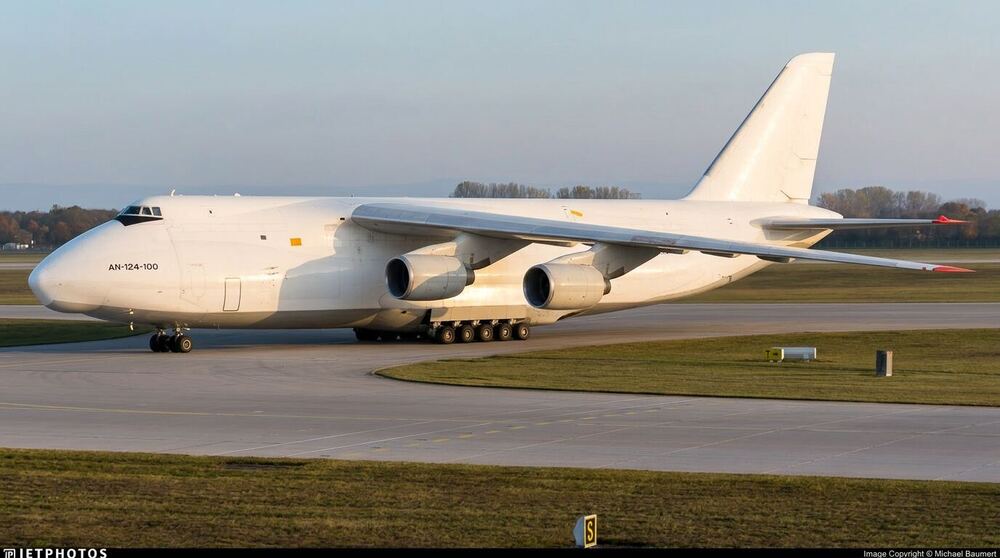
Outsize cargo aircraft on the tarmac ahead of a charter loading operation
    24/7 Operations Desk · Active Now

    Aircraft Selection · Payload Matching · Australia & APAC

    Cargo Aircraft Charter: Matching Freight to the Right Aircraft

    A practical framework for working out which cargo aircraft class actually fits your shipment, before you ask for a quote.

    Already have an RFQ prepared? Email charters@aviall.com.au

    5+
    Aircraft classes
    24/7
    Ops desk
    <60 min
    Quote turnaround
    AU + APAC
    Sourcing network

    Start from the cargo, not the aircraft list

    The most common way a charter quote goes wrong is a shipper asking for a specific aircraft type before the cargo has been properly profiled. Aircraft selection should run the other way: define the payload's weight, dimensions, urgency and route, then let those four variables point to the aircraft class that fits with the least wasted capacity.

    The four variables that decide aircraft class

    Every cargo charter decision comes down to the same four checks, run in this order.

    • Weight, total consignment weight against the aircraft's usable payload after fuel for the sector length
    • Dimensions, largest single piece against cargo door height, width and main-deck length
    • Urgency, how fast the aircraft needs to be positioned and how much runway or apron access it needs
    • Route, sector distance, runway length at both ends, and whether the destination can handle the aircraft's ground footprint

    Aircraft classes for cargo charter

    Once the four variables are known, most shipments map cleanly onto one of these classes.

    • Light turboprop, small, urgent shipments into short or unsealed strips, including regional and remote Australian sites
    • Light jet, fast positioning for small time-critical parcels between capital cities
    • Narrow-body freighter, palletised freight on domestic and regional routes
    • Wide-body freighter, larger pallet counts or bigger single pieces on longer sectors
    • Outsize ramp-loading freighter, the largest single pieces and drive-on wheeled or tracked cargo

    Common mismatches and how they get caught

    A shipper sizing an aircraft off weight alone often under-specifies, because volume and dimensions bind first on light, bulky freight. Conversely, dense, compact cargo can exceed a smaller aircraft's structural floor limit while looking easy to fit by eye. Aviall's ops desk checks both weight and dimensional fit against the specific airframe being proposed before it goes into a quote, not after the aircraft has been booked.

    Route and runway constraints across Australia

    Aircraft class is also constrained by where the cargo needs to go. Many resources and remote-site destinations across the Pilbara, Kimberley, Goldfields, Bowen Basin and Northern Territory can only accept turboprop or smaller jet aircraft due to runway length and surface. Larger freighters are positioned into capital city and major regional gateways, with cargo then transferred by road for the final leg where the destination strip cannot take the aircraft.

    Cargo aircraft matching capability

    Payload profiling

    Weight and dimensional assessment before any aircraft is proposed.

    Runway and apron checks

    Destination suitability confirmed for the aircraft class under consideration.

    Multi-class sourcing

    Access to turboprop through outsize ramp-loading freighter classes.

    Route planning

    Combined air and road solutions where destination strips limit aircraft size.

    Weight and balance guidance

    Load planning support ahead of aircraft confirmation.

    Fast turnaround

    Written aircraft options typically within the hour of a complete brief.

    Urgent charter? Our ops desk is staffed 24/7.

    Aircraft options within the hour and a written quote with an indicative wheels-up window.

    Mission examples · Illustrative

    What this looks like in operation

    Representative mission profiles drawn from recurring work. Identifying details, operators, hospitals, routes, aircraft tail numbers, are intentionally omitted.

    Heavy lift · Project cargo

    Outsize mining component into a remote regional strip

    An ASX-listed resources operator faced a stalled processing line waiting on a single oversized component too large for any scheduled freighter. Aviall sourced an outsize main-deck nose-loader, completed pavement and load-spread checks at the regional destination, and coordinated road movement permits at both ends.

    Outcome

    Component on site inside 72 hours of first call; production line restart same week.

    AOG · Time critical

    Replacement engine to a wide-body grounded overseas

    A major carrier had a wide-body grounded at a foreign hub, awaiting a replacement engine sitting in a domestic MRO. Aviall positioned a freighter to the MRO, coordinated dangerous goods documentation for the engine and stand, and held a flight-following bridge with the airline's tech ops cell door-to-door.

    Outcome

    Engine wheels-up inside 14 hours of release; aircraft returned to service the next operational day.

    Pharma · Cool chain

    Temperature-controlled biologics on a single-shipper aircraft

    A global health programme required a high-value biologics consignment moved on a controlled cool-chain into the Asia-Pacific without consolidation risk. Aviall chartered a freighter dedicated to the shipment, with active containers, written ramp-time targets, and continuous data-logger oversight.

    Outcome

    Zero temperature excursions; chain-of-custody documentation closed within 24 hours of landing.

    Aircraft classes, quick reference

    Light turboprop
    Small urgent shipments, short or unsealed strips
    Light jet
    Fast capital-to-capital positioning for small parcels
    Narrow-body freighter
    Standard pallets, domestic and regional sectors
    Wide-body freighter
    Larger pallet counts, longer international sectors
    Outsize ramp-loader
    Largest single pieces, drive-on wheeled cargo
    Operations desk
    24/7, every day of the year

    FAQ

    Frequently Asked Questions

    Provide total weight, dimensions per piece, urgency and the origin and destination airports. The ops desk matches those four factors to the smallest aircraft class that fits, so you aren't paying for unused capacity.

    Why operators, brokers and end clients keep calling back

    Credibility built on operational discipline, not marketing

    "Quote came back inside the hour with two aircraft options, written wheels-up windows and the cost-versus-time trade-off laid out. That is what we expect and rarely get."

    , Project logistics manager · Resources sector

    "Documentation, NOTOCs and DG paperwork were closed before we'd finished briefing our customer. No back-and-forth, no surprises at the ramp."

    , Senior freight forwarder · Global 3PL

    "They run the mission like an operator, not like a broker. That distinction matters when the cargo is heavy, the route is hard and the clock is real."

    , Charter broker · International network

    Not sure which cargo aircraft fits your shipment?

    Give us the weight, dimensions and route and we'll match the aircraft class before quoting.

    Have a live requirement?

    Send us origin, destination, payload and ready date. We return aircraft options. Attach an existing RFQ, packing list or photos straight from your phone, partial detail is enough to start.

    Requirement

    Cargo

    AttachmentsPacking list, cargo dimensions, manifest, RFQ document, images or other supporting documentation. Files up to 20MB each, 10 max. PDF, Word, Excel, CSV, images or email files.

    Goes straight to our charter desk at Charters@Aviall.com.au. Submitting an RFQ does not confirm an aircraft.