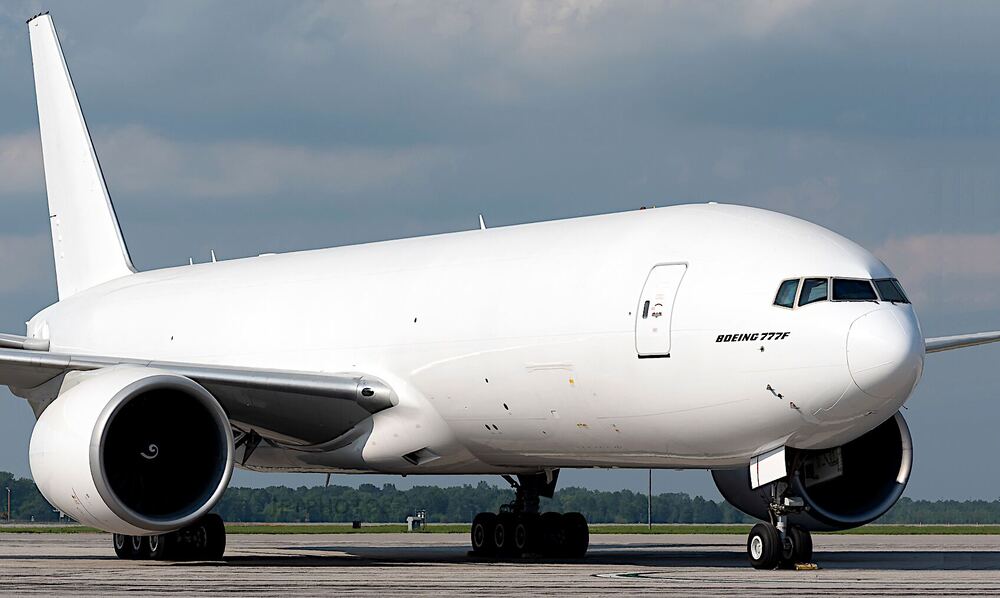
Wide-body freighter aircraft on the tarmac with main-deck cargo doors visible
    24/7 Operations Desk · Active Now

    Freighter Types · Main-Deck Loading · Australia & APAC

    Freighter Charter: Aircraft Types and Main-Deck Loading

    An operational guide to freighter classes, main-deck loading systems and the door and floor limits that decide what actually fits.

    Already have an RFQ prepared? Email charters@aviall.com.au

    Multiple
    Freighter classes
    Nose & side
    Loading configs
    24/7
    Ops desk
    AU + APAC
    Coverage

    Why freighter type matters more than headline capacity

    Two freighters can carry the same total tonnage and still be completely unsuitable for the same shipment, because the limiting factor is rarely total weight. It is almost always door height, door width, floor loading per square metre, or main-deck versus lower-deck configuration. Choosing a freighter charter starts with the cargo's actual footprint, not its weight ticket.

    Freighter classes and what they're built for

    Freighter aircraft fall into a small number of practical classes for charter purposes.

    • Narrow-body freighters (e.g. 737F class), palletised freight and standard containers on regional and domestic Australian sectors
    • Wide-body freighters (e.g. 777F, A330F class), high pallet counts and larger single pieces on longer international sectors, main-deck side cargo door for taller loads
    • Nose-loading wide-bodies, main-deck cargo loaded through the nose, allowing longer single items to be loaded straight in without side-door width limits
    • Outsize freighters (e.g. AN-124 class), front and rear ramp loading, drive-on capability for wheeled or tracked cargo, and the largest single-piece dimensions available commercially
    • Combi and quick-change aircraft, mixed passenger and cargo main-deck configuration for lower-volume or one-off movements

    Main-deck loading systems explained

    Main-deck loading uses a roller-ball or roller-track floor system that allows pallets and containers to be moved along the cabin floor with a loader, rather than lifted piece by piece. The practical implication for a shipper is that main-deck freighters are built around standard pallet and container footprints, cargo that doesn't conform to those footprints needs to be assessed individually before it's quoted.

    Side-loading aircraft take pallets through a cargo door in the fuselage, which limits the height and sometimes the length of what can be loaded without dismantling. Nose-loading and ramp-loading aircraft remove that constraint, which is why long, tall or wheeled cargo is usually matched to a nose-loader or an outsize ramp-loading freighter rather than a standard side-loading wide-body.

    Door and floor limits that decide fit

    Before quoting a freighter charter, Aviall's ops desk checks the shipment against three limits that determine whether it physically fits and can be loaded safely.

    • Cargo door height and width, which sets the maximum cross-section that can pass through without disassembly
    • Floor loading limit in kilograms per square metre, which can bind before total weight does on dense or narrow-footprint cargo
    • Main-deck usable length and any structural obstructions (bulkheads, seat tracks on quick-change aircraft) along the load path

    Matching a freighter to your route

    Freighter availability across Australia and the Asia-Pacific varies by class. Narrow-body freighters are the most commonly positioned aircraft on domestic Australian routes; wide-body and outsize freighters are usually sourced from regional freight hubs including Singapore, Hong Kong and mainland Chinese gateways, with positioning time added to the charter timeline accordingly.

    Freighter charter capability

    Full freighter class range

    Narrow-body through to outsize ramp-loading aircraft available on charter.

    Loading system assessment

    Door, floor and main-deck length checked against your cargo before quoting.

    Pallet and container build

    Load planning to standard aviation pallet and container footprints where applicable.

    Nose and ramp loading access

    Sourcing of nose-loading and drive-on freighters for long or wheeled cargo.

    Regional positioning

    Freighter sourcing from Australian and Asia-Pacific freight hubs.

    Load planning support

    Weight and balance guidance ahead of aircraft confirmation.

    Urgent charter? Our ops desk is staffed 24/7.

    Aircraft options within the hour and a written quote with an indicative wheels-up window.

    Mission examples · Illustrative

    What this looks like in operation

    Representative mission profiles drawn from recurring work. Identifying details, operators, hospitals, routes, aircraft tail numbers, are intentionally omitted.

    AOG · Time critical

    Replacement engine to a wide-body grounded overseas

    A major carrier had a wide-body grounded at a foreign hub, awaiting a replacement engine sitting in a domestic MRO. Aviall positioned a freighter to the MRO, coordinated dangerous goods documentation for the engine and stand, and held a flight-following bridge with the airline's tech ops cell door-to-door.

    Outcome

    Engine wheels-up inside 14 hours of release; aircraft returned to service the next operational day.

    Pharma · Cool chain

    Temperature-controlled biologics on a single-shipper aircraft

    A global health programme required a high-value biologics consignment moved on a controlled cool-chain into the Asia-Pacific without consolidation risk. Aviall chartered a freighter dedicated to the shipment, with active containers, written ramp-time targets, and continuous data-logger oversight.

    Outcome

    Zero temperature excursions; chain-of-custody documentation closed within 24 hours of landing.

    Dangerous goods

    Class 1 movement refused by scheduled carriers

    A government end user needed a Class 1 consignment moved on a tight window after scheduled carriers declined the booking. Aviall identified an operator approved for the class, completed the DG paperwork, NOTOC and security plan, and ran a single-shipper rotation under a controlled handling regime.

    Outcome

    Movement completed inside the customer's window with full regulatory close-out.

    Freighter classes, quick reference

    Narrow-body freighter
    Standard pallets, regional and domestic Australian sectors
    Wide-body freighter
    Higher pallet counts, longer international sectors
    Nose-loading wide-body
    Long single pieces loaded through the nose
    Outsize ramp-loader
    Largest single-piece dimensions, drive-on capability
    Positioning
    Sourced from Australian and Asia-Pacific freight hubs
    Operations desk
    24/7, every day of the year

    FAQ

    Frequently Asked Questions

    Side-loading aircraft load pallets through a fuselage cargo door, which limits height and length. Nose-loading aircraft open the entire nose section, allowing longer single items to load straight in without a door-width constraint.

    Why operators, brokers and end clients keep calling back

    Credibility built on operational discipline, not marketing

    "Quote came back inside the hour with two aircraft options, written wheels-up windows and the cost-versus-time trade-off laid out. That is what we expect and rarely get."

    , Project logistics manager · Resources sector

    "Documentation, NOTOCs and DG paperwork were closed before we'd finished briefing our customer. No back-and-forth, no surprises at the ramp."

    , Senior freight forwarder · Global 3PL

    "They run the mission like an operator, not like a broker. That distinction matters when the cargo is heavy, the route is hard and the clock is real."

    , Charter broker · International network

    Need the right freighter for an unusual load?

    Send us the dimensions and weight per piece and we'll match a freighter class before we quote.

    Have a live requirement?

    Send us origin, destination, payload and ready date. We return aircraft options. Attach an existing RFQ, packing list or photos straight from your phone, partial detail is enough to start.

    Requirement

    Cargo

    AttachmentsPacking list, cargo dimensions, manifest, RFQ document, images or other supporting documentation. Files up to 20MB each, 10 max. PDF, Word, Excel, CSV, images or email files.

    Goes straight to our charter desk at Charters@Aviall.com.au. Submitting an RFQ does not confirm an aircraft.