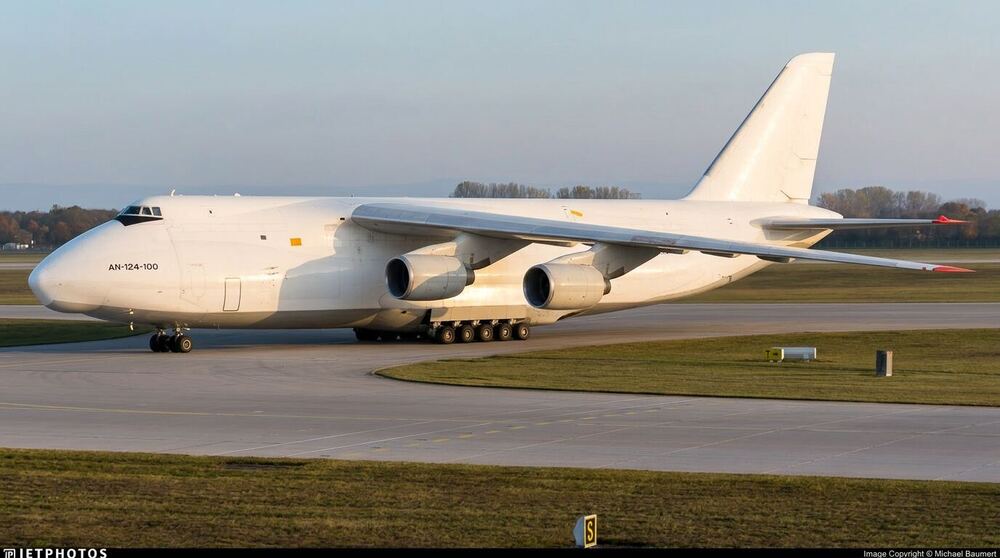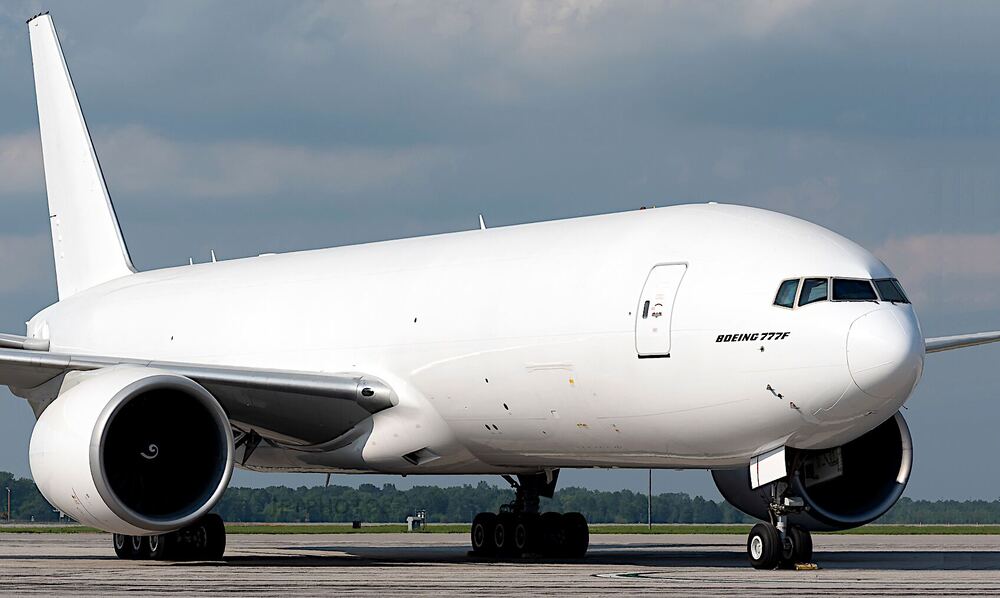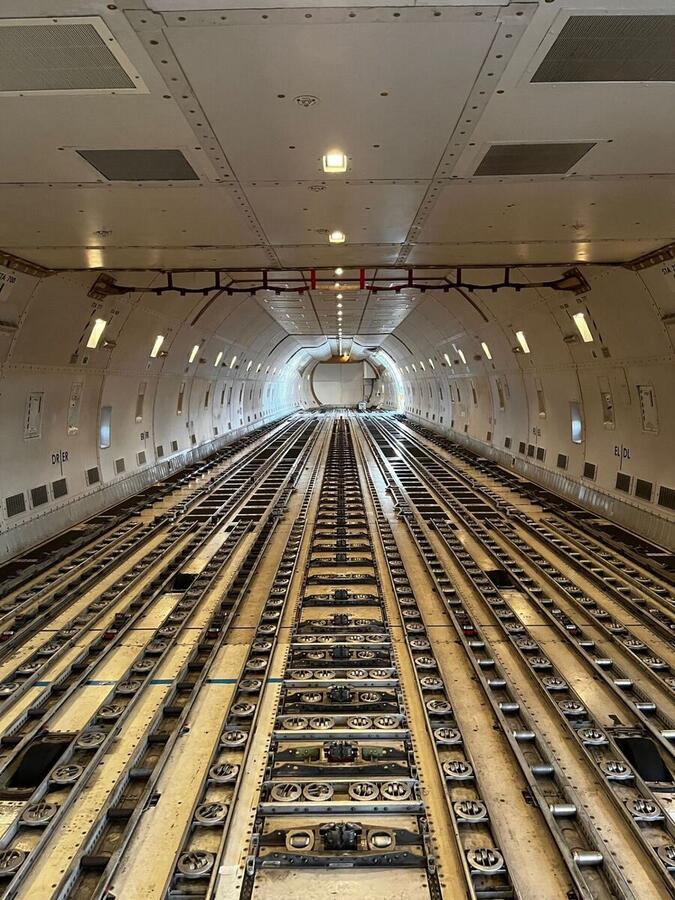
The short answer freight planners are usually given is around thirty main-deck pallet positions on a 747 freighter, plus lower-hold positions. That is a reasonable planning figure, but it is not a specification you should build a shipment around without checking, because the real number depends on the variant, the operator's configuration and the pallets themselves.
The standard planning figure
A 747-400F is typically planned around roughly thirty main-deck pallet positions at the industry-standard 96 x 125 inch (PMC-type) base, with additional pallet and container positions in the lower holds plus bulk space. The stretched-upper-deck 747-8F carries more main-deck volume again and correspondingly more positions. Every operator's aircraft is certified to its own loading manual, and that manual, not a general figure, is what governs a specific flight.
Pallet base sizes matter
Air cargo pallets are not warehouse pallets. The common bases are 88 x 125 inch and 96 x 125 inch, with 96 x 238.5 inch (20-foot) bases used on main decks for long cargo. A deck planned for standard bases will hold fewer positions if you use oversize bases, and mixing bases reduces packing efficiency. If your freight is on 1200 x 1000 mm or 1165 x 1165 mm ground pallets, it will be rebuilt onto aircraft pallets or ULDs before loading, build height and overhang need to be agreed in advance.
Height contour is why you may fit fewer
A freighter main deck is not a rectangular box. The fuselage curves, so maximum build height varies between the centreline and the side positions, and the tapered forward and aft sections accept lower builds than the mid-cabin. Full-height pallets loaded everywhere is not how a real load plan looks. This contour is the most common reason a shipper who calculated thirty positions on paper ends up loading fewer.
Weight limits per position
Each pallet position has a maximum weight and each deck section has a running load limit expressed as weight per unit of floor area. A load can be legal on total payload and still be illegal because too much weight is concentrated in one section. The operator's load control team builds the final load plan, and it may redistribute or reduce positions to keep the aircraft within its centre-of-gravity envelope.
Lower hold and nose loading
The lower holds add pallet and container positions plus bulk capacity, but they are height-limited and unsuitable for tall builds. Nose-door variants allow long items to be loaded on the centreline, a capability that matters when your cargo is long rather than numerous. See 747F vs 777F for how loading access changes the aircraft decision.
How to plan properly
Send a piece list with dimensions, weights and build heights rather than a pallet count. Our desk converts it into a realistic load plan against the actual aircraft on offer, which is the only way to know whether your consignment needs one rotation or two.