Fifty tonnes sits comfortably within the capability of several widebody freighters and the main heavy-lift types. The shortlist is short, but choosing from it depends on more than the number on the scale.
Types that carry 50 tonnes
**Boeing 767F**, around the 50-tonne mark on shorter sectors; the practical entry point to this payload class.
**Airbus A330-200F**, mid-60-tonne class payload, efficient over medium and long sectors.
**Ilyushin Il-76**, roughly 40 to 50 tonnes depending on variant, with rear ramp loading and rough-field capability that matters at remote and unimproved airfields.
**McDonnell Douglas MD-11F**, around 90 tonnes; substantial headroom above 50.
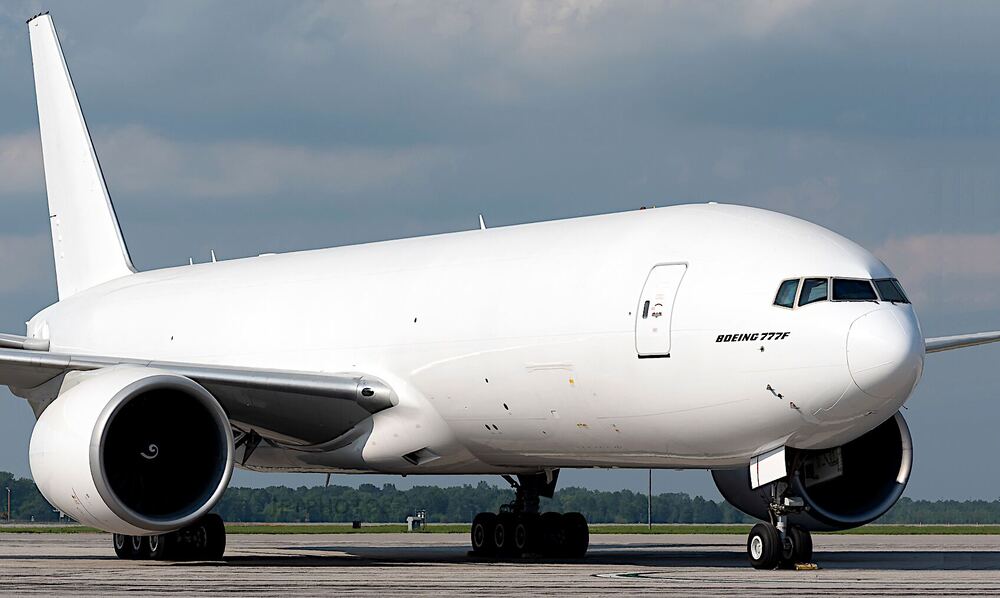
**Boeing 777F**, roughly 100 tonnes; 50 tonnes is a light load for it, which can still be the right answer on a long sector.
**Boeing 747-400F and 747-8F**, well above the requirement, chosen when volume or piece length rather than weight is the driver.
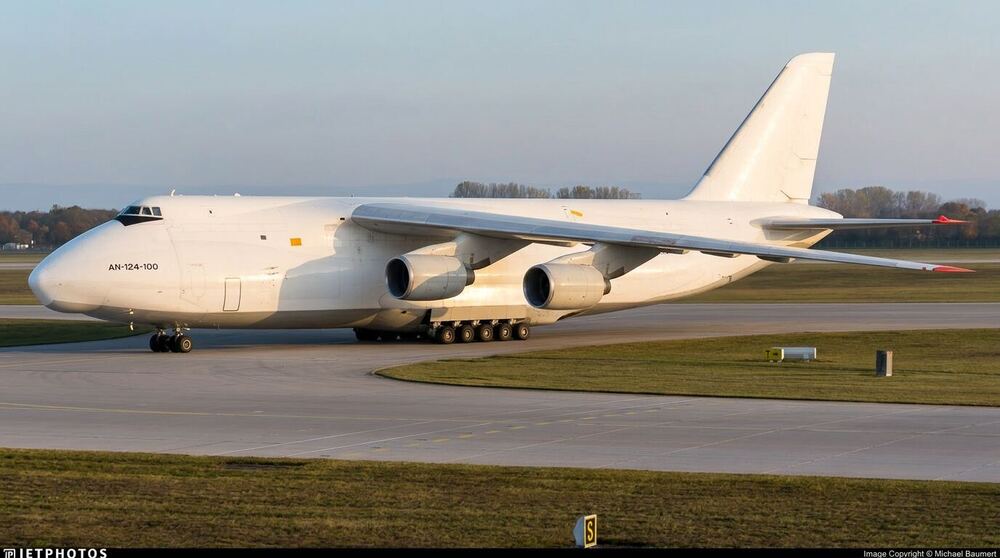
**Antonov An-124**, approximately 120 tonnes, with ramp loading for genuinely outsize pieces.
| Aircraft | Approx. max payload | Loading | Typically chosen when |
|---|---|---|---|
| Boeing 767F | ~50 t | Side door | 50 t on a short or medium sector, good availability |
| Ilyushin Il-76 | ~40–50 t | Rear ramp | Rough or remote airfields, rolling and ramp-loaded cargo |
| Airbus A330-200F | ~60–65 t | Side door | Efficient medium to long sectors, palletised freight |
| MD-11F | ~90 t | Side door | Headroom above 50 t where an airframe is well positioned |
| Boeing 777F | ~100 t | Side door | Long sectors, lowest fuel burn per tonne of the big twins |
| Boeing 747-400F | ~110–115 t | Nose + side door | Long pieces needing straight-in nose loading |
| Boeing 747-8F | ~135 t | Nose + side door | Maximum main-deck volume and payload together |
| Antonov An-124 | ~120 t | Front + rear ramp | Genuinely outsize pieces, internal cranes required |
Figures are approximate structural maximums and vary by operator, variant and airframe. Usable payload on your sector is confirmed against the specific aircraft offered.
Published payloads are structural maximums. The payload you can actually carry falls as sector length rises, because fuel occupies part of the aircraft's weight budget. A type quoted at 50 tonnes may deliver noticeably less over a long-haul sector without a technical stop.
Weight is rarely the deciding constraint
In practice, four other questions decide the aircraft before payload does.
**Piece dimensions.** A 50-tonne consignment made up of standard pallets is an easy load. A single 50-tonne indivisible piece four metres tall is a completely different problem, and most of the list above drops out immediately.
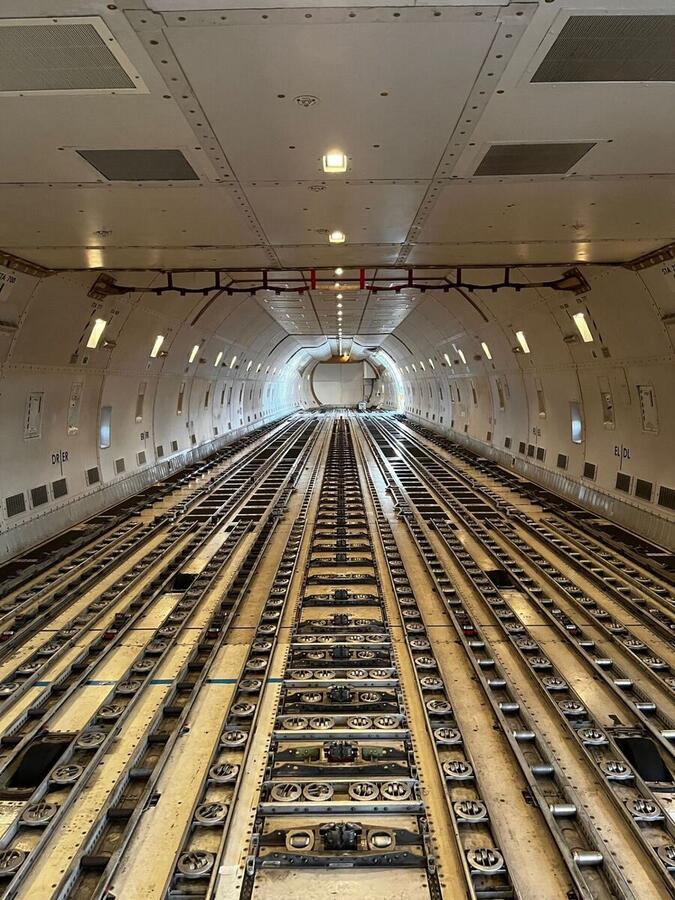
**Loading method.** Side cargo doors impose height and length limits. Nose doors take long pieces on the centreline. Rear ramps allow rolling stock to be driven or winched aboard. The piece and the loading method have to match.
**Floor loading limits.** Concentrated weight on a small footprint can exceed the deck's load-per-area limit even when total payload is fine. Heavy compact items usually need spreader beams or bearers and an engineer-approved load plan.
**Airport capability.** Runway length and pavement strength at both ends, and the availability of loaders or ramp handling equipment for the type you have chosen.
How we scope it
Send the gross weight, the dimensions and weight of the heaviest and largest single piece, the piece count, whether anything is dangerous goods, and both airports. We work backwards from the largest piece and the loading access, then confirm the payload works over your sector. Compare types side by side in the heavy-lift aircraft comparison or the full aircraft guide.