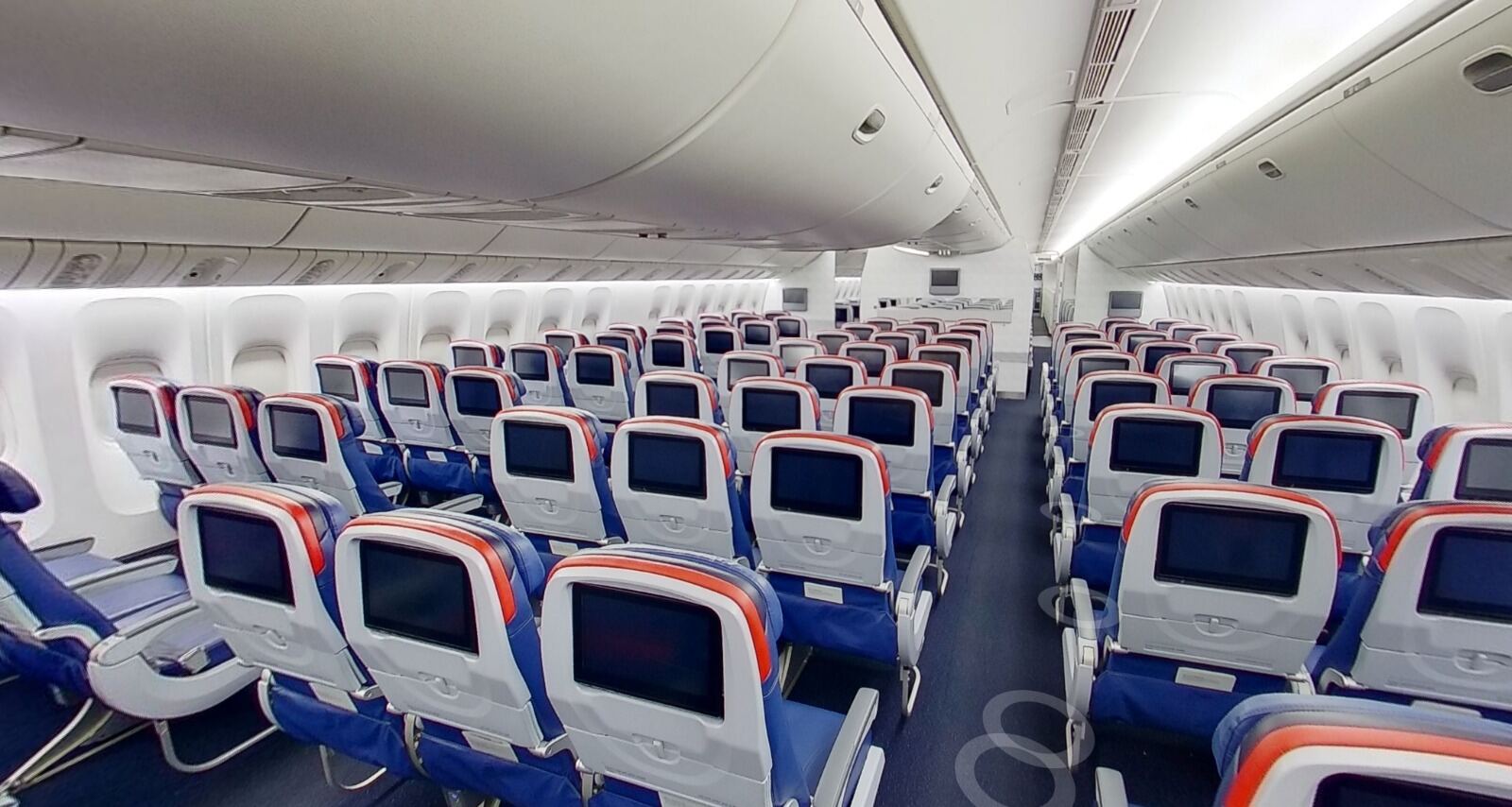
Charter aircraft cabin configured for a recurring workforce program
    24/7 Operations Desk · Active Now

    FIFO & Workforce · Programs

    Contract Charter and Recurring FIFO Aircraft Programs

    Recurring rotations are an operational input, not a travel expense. Contracted properly, they deliver stable rates, protected capacity and one accountable party when a swing has to change.

    Already have an RFQ prepared? Email charters@aviall.com.au

    Program
    Rates in writing
    Tender
    Submission support
    Multi-operator
    No fleet bias
    24/7
    Program desk

    When a program beats buying flights

    Once a rotation pattern is repeating, buying it flight by flight is the expensive option. Each ad-hoc movement is exposed to whatever aircraft is available on the day, including positioning and short-notice crew duty, and none of that exposure is necessary when the pattern is known months in advance.

    A contracted program converts that into planned utilisation. The operator can base the aircraft appropriately, roster crew against the pattern and price the aircraft's productive time, which is why a committed program routinely prices below the same rotations bought individually, and why procurement gets a rate it can hold in a budget.

    • Stable, defensible rates over the program term
    • Protected capacity through peak and shutdown periods
    • Consistent aircraft type, configuration and crew familiarity
    • One accountable charter manager rather than a new arrangement each time

    How programs are structured

    There is no single correct structure. What works depends on how predictable the pattern is, how long the project runs, and how much capacity risk your operation can carry.

    • Fixed pattern program, defined days, times, frequency and duration at an agreed rotation rate
    • Committed core plus surge, a contracted base pattern with ad-hoc rotations layered over peaks
    • Capacity commitment, a minimum number of rotations per period with flexibility on timing
    • Seasonal or campaign program, capacity for a defined project phase, shutdown season or campaign
    • Multi-site program, one arrangement covering several destinations from a shared crew origin

    What a program agreement should cover

    The documentation is where a program either protects your operation or leaves it exposed. Vague terms are usually discovered during a shutdown, at 04:00, when someone needs an extra rotation.

    • Rotation pattern, term, commencement and any ramp-up period
    • Aircraft type, seat count, configuration and approved substitution arrangements
    • Rate structure, what is included and what is charged separately
    • Baggage allowance per person, plus tooling and freight arrangements
    • Capacity commitments and process for additional and surge rotations
    • Change, postponement and cancellation terms with clear notice periods
    • Manifest process, deadlines and late-change handling
    • Disruption, recovery and alternate aerodrome arrangements
    • Insurance, compliance and operator approval evidence
    • Reporting, review cadence and escalation path

    Tender and procurement support

    Resources procurement teams typically need to demonstrate three things: that the price is competitive and understood, that the operator and aircraft are appropriate for the route and aerodrome, and that there is a single accountable party when things change. Program documentation should answer all three without follow-up questions.

    Because Aviall Group sources across a broad operator base rather than operating aircraft, a tender response can present genuine aircraft options at different seat counts and cost-per-seat outcomes, with the assumptions stated. That is usually more useful in an evaluation than a single fleet-constrained answer.

    • Written rate structure with inclusions, exclusions and stated assumptions
    • Aircraft and operator suitability evidence for your destinations
    • Compliance and insurance documentation for evaluation packs
    • Alternative aircraft options with the cost-per-seat effect shown
    • Clear service commitments and escalation arrangements

    Measuring a program once it runs

    Programs should be measured on operational outcomes rather than on flights completed. The metrics that matter are whether crews arrive in time to work the shift they were rostered for, how full the aircraft actually is, and what a seat genuinely costs once positioning and surge are included.

    We expect the pattern to change over a project life. The aircraft that suits mobilisation is often oversized for steady-state operations, and rosters shift as scopes change. A periodic review of aircraft size, timing and utilisation is a normal part of running a program well.

    • On-time performance measured against shift-change windows, not schedule times alone
    • Load factor and cost per seat, reviewed at realistic manifests
    • Completion rate and how disruptions were recovered
    • Manifest accuracy and no-show rate
    • Aircraft sizing reviewed as the project phase changes

    Program capability

    Program pricing

    Written pattern-based rates suitable for budgets and tenders.

    Committed capacity

    Base rotations protected through peak and shutdown periods.

    Multi-operator sourcing

    Aircraft matched to route and aerodrome without fleet bias.

    Tender documentation

    Compliance, suitability and rate evidence for evaluation packs.

    Surge arrangements

    Pre-agreed process for additional rotations at short notice.

    Program governance

    Reporting, review cadence and a 24/7 escalation path.

    FIFO & workforce charter

    Have a FIFO requirement?

    Send us the requirement.

    We take both recurring programs and one-off movements. Estimates are enough to start. We come back with aircraft options, capacity and baggage feasibility, and indicative pricing you can put in front of a budget holder or a tender response.

    Recurring charter program

    Roster flying, workforce rotations, seasonal campaigns and scheduled corporate shuttles. Send the pattern and we price the program, not just a single flight.

    • 01OriginCrew source city or port
    • 02DestinationSite aerodrome or nearest town
    • 03Passenger countPer rotation, and peak numbers
    • 04Days of operatione.g. Monday and Thursday
    • 05Required departure timesOutbound and return windows
    • 06Program commencementFirst flight date, even approximate
    • 07Program duratione.g. 12 months, or campaign length
    • 08BaggageChecked allowance, tooling, freight in hold
    • 09FrequencyRotations per week or per swing
    • 10Additional requirementsRunway, compliance, aircraft preference
    Submit FIFO requirement

    One-off group movement

    A single group flight, a team, a tour, a conference, a delegation, an event crew or a shutdown surge. Five details are usually enough for a workable quote.

    • 01Origin and destinationAirports or cities
    • 02Passenger countPlus any staff or officials travelling
    • 03Dates and timesDeparture, return, and how fixed they are
    • 04BaggageChecked bags, sports gear, equipment, instruments
    • 05Group typeCorporate, sports, tour, event, government, education
    Request group charter quote

    Urgent charter? Our ops desk is staffed 24/7.

    Aircraft options within the hour and a written quote with an indicative wheels-up window.

    Contract charter, quick reference

    Typical structures
    Fixed pattern, committed core plus surge, capacity commitment, campaign
    Term
    From a single project phase to multi-year operations
    Pricing
    Per rotation at a program rate, with stated inclusions
    Key protections
    Capacity commitments, substitution terms, disruption arrangements
    Governance
    Reporting, review cadence, named manager, 24/7 escalation
    Review triggers
    Project phase change, roster change, sustained load-factor shift

    FAQ

    Frequently Asked Questions

    An arrangement where aircraft capacity is committed to a defined rotation pattern over a term, rather than bought movement by movement. It covers the pattern, rates, capacity commitments, change terms and the operational interface, and generally prices better than equivalent ad-hoc rotations.

    Ready to price a recurring FIFO program?

    Send origin, destination, passenger numbers, frequency, days and times, program duration, baggage and start date. We return aircraft options, program pricing and documentation your procurement team can evaluate.

    Have a live requirement?

    Send us the roster pattern, ports and headcount. We return a schedule and pricing basis. Attach an existing RFQ, packing list or photos straight from your phone, partial detail is enough to start.

    Requirement

    FIFO / Workforce

    AttachmentsRoster patterns, tender documents or an existing RFQ. Files up to 20MB each, 10 max. PDF, Word, Excel, CSV, images or email files.

    Goes straight to our charter desk at Charters@Aviall.com.au. Submitting an RFQ does not confirm an aircraft.