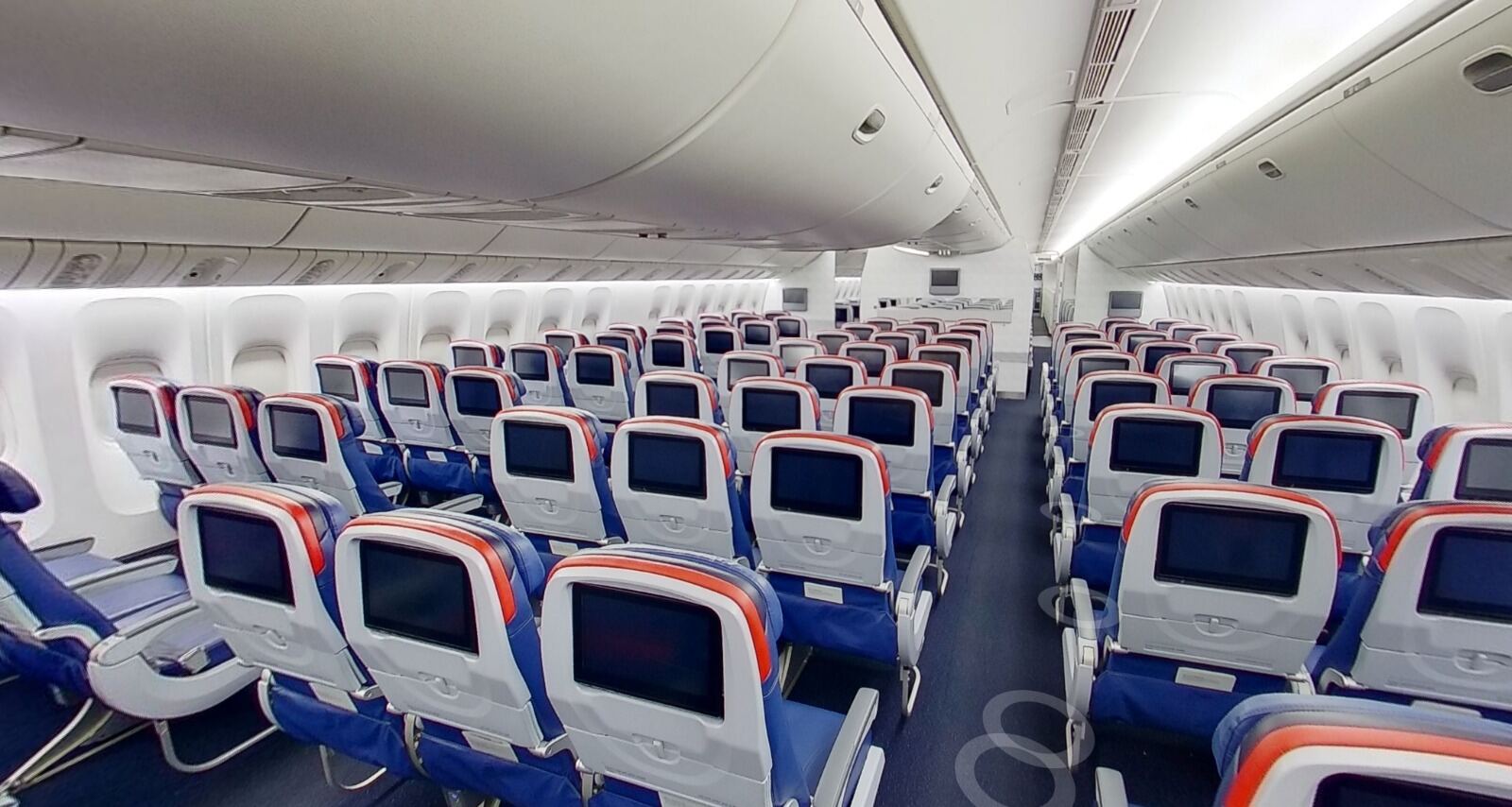
Charter aircraft cabin configured for a workforce rotation
    24/7 Operations Desk · Active Now

    FIFO & Workforce · Cost

    FIFO Charter Cost in Australia: What Actually Drives the Number

    Charter is priced per aircraft rotation, not per seat. Understanding what sits inside a rotation price is the difference between a program that defends itself in a tender and one that gets cut.

    Already have an RFQ prepared? Email charters@aviall.com.au

    Per rotation
    Pricing basis
    Written
    Program pricing
    No fleet bias
    Multi-operator
    Same day
    Indicative numbers

    The unit of cost is the rotation, not the seat

    A FIFO charter price is built around the aircraft flying a rotation: out to site and back, with the crew and time that requires. That cost is broadly fixed whether you put 60 people on a 70-seat aircraft or 40. This is the single most important thing to understand, because it means load factor, not negotiation, is the biggest lever on your cost per seat.

    It also explains why aircraft selection matters more than most procurement processes assume. Flying a 100-seat jet for a 45-person crew is not a small inefficiency; it is roughly double the cost per person that a correctly sized aircraft would deliver on the same sector.

    What sits inside a rotation price

    Operators build a rotation price from a consistent set of components. None of them are unusual, but each is worth understanding because each is a place where a schedule decision quietly changes the price.

    • Flight time, both directions, on the actual sector rather than a straight-line estimate
    • Positioning, moving the aircraft to your origin and away afterwards, if it is not already based there
    • Crew duty, including overnight, standby and any second crew required by duty limits
    • Aerodrome and handling, landing, parking, terminal or apron handling, security screening at both ends
    • Fuel, including uplift cost differences at remote aerodromes
    • Ground support, steps, GSE, de-icing where relevant, fire coverage arrangements at some sites
    • Taxes and statutory charges applicable to the movement

    What genuinely reduces the cost

    Some cost levers are large and structural. Others are marginal. It is worth spending effort on the first group.

    • Fill the aircraft, the largest single lever on cost per seat, by a wide margin
    • Right-size the aircraft, match seats to the real manifest, not the maximum roster
    • Commit to a pattern, a contracted program lets an operator base the aircraft and plan crew
    • Avoid unnecessary positioning, origins where suitable aircraft are already based price better
    • Keep the aircraft productive, back-to-back rotations beat an aircraft sitting on the ground
    • Give lead time, short notice narrows the operator field and raises the price
    • Be flexible on time where you can, though never at the cost of losing a shift

    What tends to increase it

    Equally, some requirements legitimately add cost. Knowing which ones lets you decide whether they are worth paying for rather than being surprised by them.

    • Constrained or unsealed destinations that force a smaller, less efficient aircraft
    • Departure windows that require crew overnight positioning the night before
    • Peak shutdown periods where regional capacity is genuinely tight
    • Heavy baggage, tooling or freight travelling with the crew, affecting payload
    • Long ground waits at site where the aircraft cannot be used productively
    • Very short lead times, especially outside business hours
    • Single-leg movements where the aircraft returns empty

    Program pricing versus ad-hoc rates

    A committed program is the cheapest way to buy recurring capacity. When an operator knows the pattern, days, times, frequency, headcount and duration. It can base the aircraft appropriately, roster crew efficiently and price the aircraft's utilisation rather than pricing risk. Procurement gets a stable, defensible rate for a budget or tender.

    Ad-hoc rotations price higher on average because each one is exposed to whatever is available on the day, including positioning and short-notice crew duty. That is not an argument against ad-hoc charter, which is exactly the right tool for shutdown surge and unplanned movements. It is an argument for telling the desk about a pattern as soon as one exists.

    For projects with both, the usual answer is a contracted core pattern with ad-hoc capacity layered over it for peaks. It protects the base cost while keeping the ability to surge.

    Building a number procurement can defend

    Mining procurement teams rarely need the lowest number; they need a number they can justify. That means a written price stating the aircraft type, seat count, rotation pattern, what is included, the baggage allowance, and the assumptions the price depends on, particularly positioning, aerodrome access and headcount.

    We also make the comparison basis explicit. Comparing a per-rotation charter price against a per-seat scheduled fare without stating assumed load factor, shift-time value and site access is how charter business cases get lost for the wrong reasons.

    • Aircraft type, seat count and operator category stated in writing
    • Rotation pattern and program duration the price applies to
    • Inclusions, exclusions and baggage allowance in kilograms
    • Assumptions on positioning, aerodrome access and headcount
    • Cost per rotation and indicative cost per seat at realistic load factors

    How we support cost decisions

    Written rotation pricing

    Aircraft type, inclusions and assumptions stated, not implied.

    Aircraft right-sizing

    Options at different seat counts with the cost-per-seat effect shown.

    Program rates

    Pattern-based pricing suitable for budget and tender submissions.

    Positioning analysis

    Where an alternative origin or operator removes empty legs.

    Peak planning

    Surge capacity priced before shutdown season compresses the market.

    Utilisation review

    Load factor and cost-per-seat reviewed as the project changes.

    FIFO & workforce charter

    Have a FIFO requirement?

    Send us the requirement.

    We take both recurring programs and one-off movements. Estimates are enough to start. We come back with aircraft options, capacity and baggage feasibility, and indicative pricing you can put in front of a budget holder or a tender response.

    Recurring charter program

    Roster flying, workforce rotations, seasonal campaigns and scheduled corporate shuttles. Send the pattern and we price the program, not just a single flight.

    • 01OriginCrew source city or port
    • 02DestinationSite aerodrome or nearest town
    • 03Passenger countPer rotation, and peak numbers
    • 04Days of operatione.g. Monday and Thursday
    • 05Required departure timesOutbound and return windows
    • 06Program commencementFirst flight date, even approximate
    • 07Program duratione.g. 12 months, or campaign length
    • 08BaggageChecked allowance, tooling, freight in hold
    • 09FrequencyRotations per week or per swing
    • 10Additional requirementsRunway, compliance, aircraft preference
    Submit FIFO requirement

    One-off group movement

    A single group flight, a team, a tour, a conference, a delegation, an event crew or a shutdown surge. Five details are usually enough for a workable quote.

    • 01Origin and destinationAirports or cities
    • 02Passenger countPlus any staff or officials travelling
    • 03Dates and timesDeparture, return, and how fixed they are
    • 04BaggageChecked bags, sports gear, equipment, instruments
    • 05Group typeCorporate, sports, tour, event, government, education
    Request group charter quote

    Urgent charter? Our ops desk is staffed 24/7.

    Aircraft options within the hour and a written quote with an indicative wheels-up window.

    FIFO charter cost, quick reference

    Pricing basis
    Per aircraft rotation, both directions
    Biggest cost lever
    Load factor, followed by correct aircraft sizing
    Program pricing
    Available for committed patterns; usually below ad-hoc equivalents
    Common add-ons
    Positioning, crew overnight, remote aerodrome charges, surge demand
    Quote contents
    Aircraft type, pattern, inclusions, baggage allowance, assumptions
    Turnaround
    Indicative pricing usually the same day on a complete requirement

    FAQ

    Frequently Asked Questions

    There is no honest single figure, because the price is per aircraft rotation and depends on aircraft type, sector length, positioning, crew duty and aerodrome charges. Send origin, destination, passenger numbers and timing and we will return real aircraft options with indicative rotation pricing, usually the same day.

    Want a rotation price you can put in front of procurement?

    Send origin, destination, passenger numbers, frequency, days and times, program duration, baggage and start date. We return aircraft options with written indicative pricing and stated assumptions.

    Have a live requirement?

    Send us the roster pattern, ports and headcount. We return a schedule and pricing basis. Attach an existing RFQ, packing list or photos straight from your phone, partial detail is enough to start.

    Requirement

    FIFO / Workforce

    AttachmentsRoster patterns, tender documents or an existing RFQ. Files up to 20MB each, 10 max. PDF, Word, Excel, CSV, images or email files.

    Goes straight to our charter desk at Charters@Aviall.com.au. Submitting an RFQ does not confirm an aircraft.