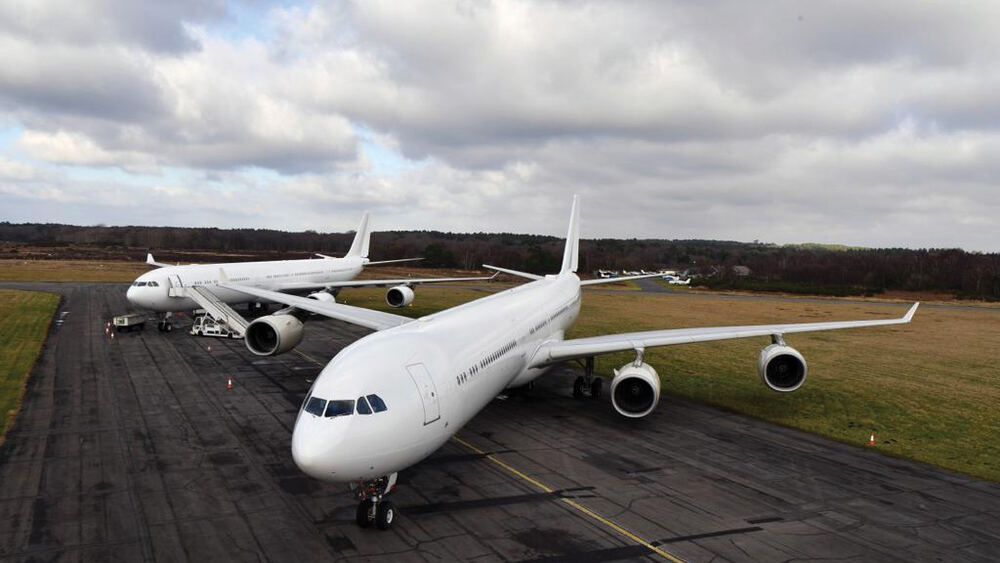
Charter aircraft on a remote Australian runway before an early departure
    24/7 Operations Desk · Active Now

    FIFO & Workforce · Process

    How FIFO Charter Works, From Requirement to Rotation

    What actually happens between sending a roster pattern and putting a crew on site, and the decisions that determine cost, reliability and whether the program survives contact with a shutdown.

    Already have an RFQ prepared? Email charters@aviall.com.au

    Same day
    Aircraft options
    Program
    Or ad-hoc pricing
    Multi-operator
    Sourcing base
    24/7
    Operations desk

    What FIFO charter is

    FIFO charter is a whole-aircraft arrangement where the aircraft flies your workforce, on your pattern, between the origin your crew lives in and the destination your project operates from. You are buying the aircraft and its crew for a rotation, not buying seats on someone else's timetable.

    That distinction is the whole point. Scheduled capacity is built around commercial passenger demand, which is why it rarely lines up with a shift-change window, why it collapses during shutdown periods, and why it usually cannot serve a private aerodrome at all. A charter rotation is built backwards from the time your crew has to be on site.

    Aviall Group arranges this capacity rather than operating the aircraft. Every movement is flown by an appropriately approved operator selected for the route, the aerodrome and the crew requirement, which means aircraft are matched to the roster instead of the roster being fitted around one fleet.

    Step 1, The requirement

    Almost every delay in getting a FIFO price comes from an incomplete requirement, so it is worth being blunt about what a charter desk needs. Eight inputs let us price a program properly, and most procurement teams already have all of them.

    • Origin, the crew source airport, including any regional pickups
    • Destination, the site aerodrome or nearest usable airport
    • Passenger numbers, per rotation, including contractors and staff
    • Frequency, how many rotations per week, fortnight or swing cycle
    • Days and times, the days of operation and required departure and return windows
    • Program duration, start date and how long the pattern runs
    • Baggage, typical allowance plus any tooling, spares or freight travelling with the crew
    • Start date, commencement, and whether it is firm or subject to a project gate

    Step 2, Feasibility and aircraft selection

    The first thing we confirm is the destination, because that decides what can be flown. Runway length and surface, width, pavement strength, approach aids, fire coverage, fuel availability, daylight limitations and the operator's approvals for that specific aerodrome all narrow the field. Some sites are turboprop-only regardless of how many people you need to move.

    Only then does headcount enter the picture. Passenger numbers, baggage profile and sector length determine whether a turboprop, regional jet or narrowbody is the efficient answer, and whether one aircraft or two rotations is cheaper. Getting this order right avoids the common failure of pricing a jet into a strip that cannot take one.

    • Turboprop (30-70 seats), short or unsealed strips, smaller specialist crews
    • Regional jet (70-100 seats), mid-size rotations with useful hold capacity
    • Narrowbody jet (100-189 seats), full swings, shutdown surges, longer sectors
    • Widebody or multi-aircraft, large mobilisations and project starts

    Step 3, Program pricing versus ad-hoc pricing

    Charter is priced per aircraft rotation, not per seat, which is why the cost per person falls sharply as you fill the aircraft. A rotation price reflects flight time in both directions, positioning if the aircraft is not already at your origin, crew duty and any overnight, aerodrome and handling charges, fuel and applicable taxes.

    For a recurring program we price the pattern rather than a single flight. A committed pattern lets an operator base the aircraft sensibly and plan crew rosters, which usually produces a materially better number than the same flights bought one at a time, and gives procurement a defensible figure for a budget submission or tender response.

    Ad-hoc movements are quoted individually. They are more exposed to availability, positioning and short-notice crew duty, and during shutdown season that exposure is real. It is not a reason to avoid ad-hoc charter; it is a reason to tell us early when you can.

    Step 4, Contracting and mobilisation

    Once an aircraft and price are agreed, the paperwork depends on how you buy. Ad-hoc rotations run on a charter agreement per movement. Ongoing programs are typically documented as a contract charter arrangement covering the pattern, rates, capacity commitments, change and cancellation terms, and the operational interface.

    Mobilisation is where programs succeed or fail. Before the first rotation we confirm the aerodrome arrangements, ground handling and security screening approach at both ends, manifest format and deadlines, check-in process, transfers to site, and the escalation path when something moves at 04:00.

    • Written charter agreement or contract charter terms for the pattern
    • Operator, aircraft type and approvals confirmed for your destination
    • Manifest template, deadlines and change process agreed
    • Check-in, screening and ground handling arrangements at both ends
    • Named charter manager and a documented 24/7 escalation path

    Step 5, Running the program

    In steady state a FIFO program is a manifest and exception management exercise. Names change, crews are added, someone fails a fitness-for-work check, weather closes a strip, and a shutdown suddenly needs three extra rotations inside a fortnight. The value of a charter desk is in absorbing that without the program degrading.

    We also expect the pattern to be reviewed. Utilisation, load factors, on-time performance against shift-change windows and cost per seat all move as the project moves, and the aircraft that suited mobilisation is often the wrong aircraft for steady-state operations.

    • Manifest changes and no-show handling up to departure
    • Additional rotations for shutdowns, turnarounds and project phases
    • Disruption management: weather, serviceability, crew duty
    • Periodic review of aircraft size, timing and cost per seat

    Lead times, honestly

    A simple ad-hoc rotation between two sealed regional airports can often be arranged within a day, sometimes within hours where an aircraft is well positioned. A new recurring program into a constrained or private aerodrome takes longer, because operator approvals, aerodrome arrangements and crew planning are genuine work rather than paperwork.

    Peak periods compress everything. Shutdown seasons and major project phases pull demand into narrow windows on the same routes at the same hours, so the earlier a pattern is shared the better the availability and the price. Where a date carries genuine risk, we will say so rather than quote optimistically.

    What the charter desk handles

    Requirement scoping

    Turning a roster pattern into a priceable, flyable aviation requirement.

    Aerodrome feasibility

    Runway, approach, fire and fuel checks before aircraft are proposed.

    Multi-operator sourcing

    Aircraft matched to the roster across a broad operator base.

    Program pricing

    A written price for the pattern, suitable for budget or tender use.

    Contract charter

    Documented terms for capacity, rates, changes and escalation.

    Manifest control

    Passenger lists, late changes and no-show handling before departure.

    Surge capacity

    Extra rotations arranged around shutdowns and turnarounds.

    Single accountable contact

    One named manager, on a desk staffed 24/7.

    FIFO & workforce charter

    Have a FIFO requirement?

    Send us the requirement.

    We take both recurring programs and one-off movements. Estimates are enough to start. We come back with aircraft options, capacity and baggage feasibility, and indicative pricing you can put in front of a budget holder or a tender response.

    Recurring charter program

    Roster flying, workforce rotations, seasonal campaigns and scheduled corporate shuttles. Send the pattern and we price the program, not just a single flight.

    • 01OriginCrew source city or port
    • 02DestinationSite aerodrome or nearest town
    • 03Passenger countPer rotation, and peak numbers
    • 04Days of operatione.g. Monday and Thursday
    • 05Required departure timesOutbound and return windows
    • 06Program commencementFirst flight date, even approximate
    • 07Program duratione.g. 12 months, or campaign length
    • 08BaggageChecked allowance, tooling, freight in hold
    • 09FrequencyRotations per week or per swing
    • 10Additional requirementsRunway, compliance, aircraft preference
    Submit FIFO requirement

    One-off group movement

    A single group flight, a team, a tour, a conference, a delegation, an event crew or a shutdown surge. Five details are usually enough for a workable quote.

    • 01Origin and destinationAirports or cities
    • 02Passenger countPlus any staff or officials travelling
    • 03Dates and timesDeparture, return, and how fixed they are
    • 04BaggageChecked bags, sports gear, equipment, instruments
    • 05Group typeCorporate, sports, tour, event, government, education
    Request group charter quote

    Urgent charter? Our ops desk is staffed 24/7.

    Aircraft options within the hour and a written quote with an indicative wheels-up window.

    FIFO charter process, quick reference

    Inputs needed to quote
    Origin, destination, pax, frequency, days/times, duration, baggage, start date
    Aircraft range
    30 to 189 seats, plus widebody and multi-aircraft solutions
    Pricing basis
    Per aircraft rotation; program pricing for committed patterns
    Ad-hoc lead time
    Often same or next day between sealed airports
    New program lead time
    Longer where aerodrome approvals and crew planning are required
    Contracting
    Charter agreement per movement, or contract charter for a pattern

    FAQ

    Frequently Asked Questions

    Origin, destination, passenger numbers per rotation, frequency, days and required departure and return times, program duration, baggage profile and start date. With those eight inputs we can return aircraft options and indicative pricing, usually the same day.

    Ready to price a FIFO program or a single rotation?

    Send origin, destination, passenger numbers, frequency, days and times, program duration, baggage and start date. We return aircraft options and indicative pricing, usually the same day.

    Have a live requirement?

    Send us the roster pattern, ports and headcount. We return a schedule and pricing basis. Attach an existing RFQ, packing list or photos straight from your phone, partial detail is enough to start.

    Requirement

    FIFO / Workforce

    AttachmentsRoster patterns, tender documents or an existing RFQ. Files up to 20MB each, 10 max. PDF, Word, Excel, CSV, images or email files.

    Goes straight to our charter desk at Charters@Aviall.com.au. Submitting an RFQ does not confirm an aircraft.