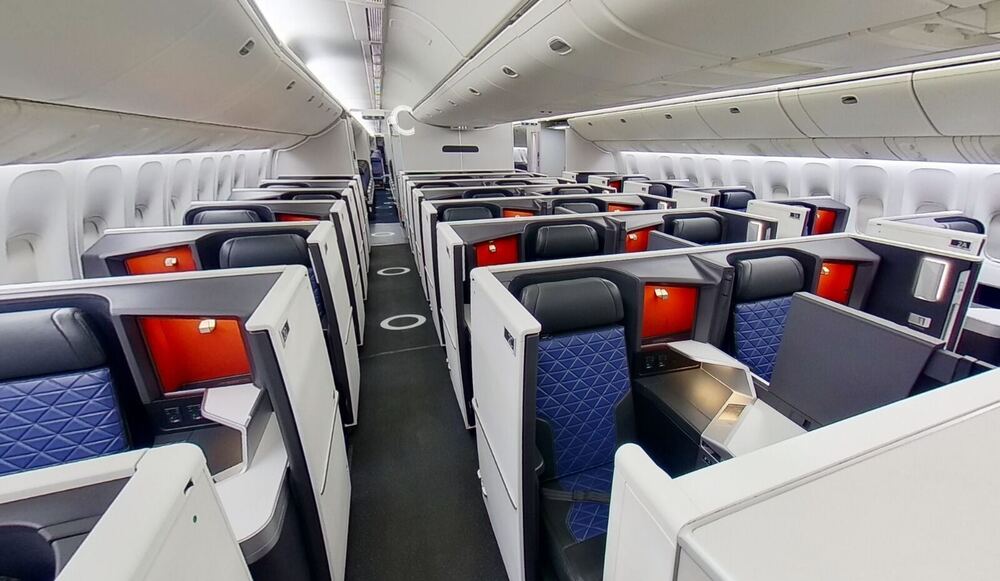
Charter aircraft cabin prepared for a crew rotation
    24/7 Operations Desk · Active Now

    FIFO & Workforce · Aircraft

    FIFO Aircraft Selection and Passenger Capacity

    The right aircraft is decided by three things in this order: what your destination can accept, what your manifest and baggage actually weigh, and what your departure window allows.

    Already have an RFQ prepared? Email charters@aviall.com.au

    30-189
    Typical seat range
    Strip-rated
    Turboprop options
    Payload
    Assessed, not assumed
    Multi-operator
    Sourcing base

    Select in the right order

    Most poor FIFO aircraft decisions come from starting with headcount. A crew of 120 suggests a narrowbody jet, but if the destination is a 1,400 metre unsealed strip, the answer is two turboprop rotations or a different airport with road transfer, and the sooner that is established the better the program.

    So the sequence is: destination feasibility first, then payload and baggage, then headcount and timing. Aviall Group sources across a broad operator base rather than operating aircraft, which means we can follow that order honestly instead of steering you toward a fleet we happen to own.

    • Destination, runway length, surface, width, pavement strength, approach aids, fire coverage, fuel
    • Payload, crew weight plus baggage, tooling and any freight travelling with the rotation
    • Sector, distance, and whether a fuel stop or second crew becomes necessary
    • Timing, departure and return windows, and whether they fit crew duty limits
    • Headcount, the real manifest, not the maximum roster

    Turboprop: 30 to 70 seats

    Turboprops are the workhorse of constrained-destination FIFO. Types in the Dash 8, ATR, Saab and Metro families operate comfortably from shorter and unsealed runways, tolerate remote aerodromes with limited infrastructure, and are efficient on the sub-two-hour sectors that dominate Australian resource routes.

    They are the correct answer more often than procurement teams expect. For a 40 to 60 person crew into a mine strip, a turboprop rotation will usually beat a jet on both feasibility and cost per seat, because the jet either cannot use the strip or has to fly to a distant sealed airport with a long road transfer at the end.

    • Best for, short or unsealed strips, smaller specialist crews, high-frequency short sectors
    • Typical seats, 30 to 70 depending on type and configuration
    • Strengths, strip tolerance, low turnaround overhead, good regional availability
    • Trade-offs, slower on long sectors, more limited hold volume than a jet

    Regional jet: 70 to 100 seats

    Regional jets in the Embraer E-Jet and CRJ families sit in the useful middle of FIFO work. They deliver jet speed and cabin comfort on longer sectors, carry useful hold volume for crew baggage and tooling, and still operate from many sealed regional airports that a larger narrowbody would struggle with.

    They suit mid-size rotations, roughly 70 to 100 people, and interstate crew sourcing where sector length makes turboprop timing awkward against a shift-change window.

    • Best for, mid-size crews, longer sectors, interstate crew origins
    • Typical seats, 70 to 100
    • Strengths, speed, hold capacity, sealed regional airport access
    • Trade-offs, requires sealed runway and better aerodrome infrastructure

    Narrowbody jet: 100 to 189 seats

    Narrowbody jets in the Boeing 737 and Airbus A320 families are the efficient answer for full swings and shutdown surges into sealed regional airports. On a well-filled rotation they deliver the lowest cost per seat available in FIFO work, and their hold capacity handles substantial crew baggage and tooling.

    The constraint is the airport. Runway length, pavement strength, apron space, screening capability and fire category all have to support the type, which is why narrowbody FIFO tends to run into established regional airports rather than private strips.

    • Best for, full swings, shutdown surges, long sectors, lowest cost per seat when filled
    • Typical seats, 100 to 189 depending on type and configuration
    • Strengths, cost efficiency at high load factor, generous hold capacity
    • Trade-offs, needs a capable sealed airport at both ends

    Widebody and multi-aircraft solutions

    Large mobilisations, project starts and major shutdowns sometimes exceed what one narrowbody can move within the available window. Two options exist: a widebody where the airport can genuinely accept it, or a coordinated multi-aircraft wave where several rotations are sequenced so crews arrive in usable groups rather than trickling in over a day.

    Waves are more common in Australian resource work because few site-serving airports support widebody operations. Sequencing them properly, including ground transport capacity at the far end, is the difference between a mobilisation and a queue.

    Baggage, tooling and payload reality

    FIFO crews travel with more than a suitcase. Personal baggage for a two-week swing, PPE, boots, tooling, instruments and occasionally spares or consumables all consume hold volume and payload, and the honest constraint is often volume rather than weight.

    Where tooling or freight travels with the crew, tell us before aircraft selection rather than after. Payload trade-offs on longer sectors are real: an aircraft carrying full fuel for a long leg may not be able to carry a full manifest plus heavy baggage, and dangerous goods such as lithium batteries, aerosols or fuels have declaration requirements that must be handled properly.

    • Confirm baggage allowance in kilograms per person, in writing, with the quote
    • Declare tooling, spares and consumables at requirement stage
    • Expect dangerous goods to require declaration and, in some cases, separate freight
    • Longer sectors can trade payload against fuel. Plan for it rather than discover it

    How aircraft are matched

    Aerodrome feasibility first

    Runway, approach, fire and fuel checked before types are proposed.

    Payload assessment

    Crew, baggage and tooling weighed against sector fuel requirements.

    Multiple options quoted

    Different seat counts with the cost-per-seat effect shown.

    Strip-capable turboprops

    Access to sites that jets cannot serve directly.

    Surge narrowbody capacity

    Larger aircraft sourced for full swings and shutdowns.

    Multi-aircraft waves

    Sequenced rotations for large mobilisations and project starts.

    FIFO & workforce charter

    Have a FIFO requirement?

    Send us the requirement.

    We take both recurring programs and one-off movements. Estimates are enough to start. We come back with aircraft options, capacity and baggage feasibility, and indicative pricing you can put in front of a budget holder or a tender response.

    Recurring charter program

    Roster flying, workforce rotations, seasonal campaigns and scheduled corporate shuttles. Send the pattern and we price the program, not just a single flight.

    • 01OriginCrew source city or port
    • 02DestinationSite aerodrome or nearest town
    • 03Passenger countPer rotation, and peak numbers
    • 04Days of operatione.g. Monday and Thursday
    • 05Required departure timesOutbound and return windows
    • 06Program commencementFirst flight date, even approximate
    • 07Program duratione.g. 12 months, or campaign length
    • 08BaggageChecked allowance, tooling, freight in hold
    • 09FrequencyRotations per week or per swing
    • 10Additional requirementsRunway, compliance, aircraft preference
    Submit FIFO requirement

    One-off group movement

    A single group flight, a team, a tour, a conference, a delegation, an event crew or a shutdown surge. Five details are usually enough for a workable quote.

    • 01Origin and destinationAirports or cities
    • 02Passenger countPlus any staff or officials travelling
    • 03Dates and timesDeparture, return, and how fixed they are
    • 04BaggageChecked bags, sports gear, equipment, instruments
    • 05Group typeCorporate, sports, tour, event, government, education
    Request group charter quote

    Urgent charter? Our ops desk is staffed 24/7.

    Aircraft options within the hour and a written quote with an indicative wheels-up window.

    FIFO aircraft capacity, quick reference

    Turboprop
    30-70 seats · short and unsealed strips · sub-2 hour sectors
    Regional jet
    70-100 seats · sealed regional airports · longer sectors
    Narrowbody jet
    100-189 seats · full swings and shutdown surges
    Widebody / waves
    Large mobilisations where the airport or sequence allows
    Selection order
    Destination, then payload, then headcount and timing
    Baggage
    Allowance confirmed in kilograms with the quote

    FAQ

    Frequently Asked Questions

    Typically 30 to 70 on a turboprop, 70 to 100 on a regional jet and 100 to 189 on a narrowbody jet, with widebody or multi-aircraft options for large mobilisations. The usable number on your route also depends on baggage, sector length and the destination aerodrome.

    Not sure which aircraft suits your rotation?

    Send origin, destination, passenger numbers, baggage profile, frequency, days and times, program duration and start date. We will confirm feasibility and shortlist aircraft with indicative pricing.

    Have a live requirement?

    Send us the roster pattern, ports and headcount. We return a schedule and pricing basis. Attach an existing RFQ, packing list or photos straight from your phone, partial detail is enough to start.

    Requirement

    FIFO / Workforce

    AttachmentsRoster patterns, tender documents or an existing RFQ. Files up to 20MB each, 10 max. PDF, Word, Excel, CSV, images or email files.

    Goes straight to our charter desk at Charters@Aviall.com.au. Submitting an RFQ does not confirm an aircraft.