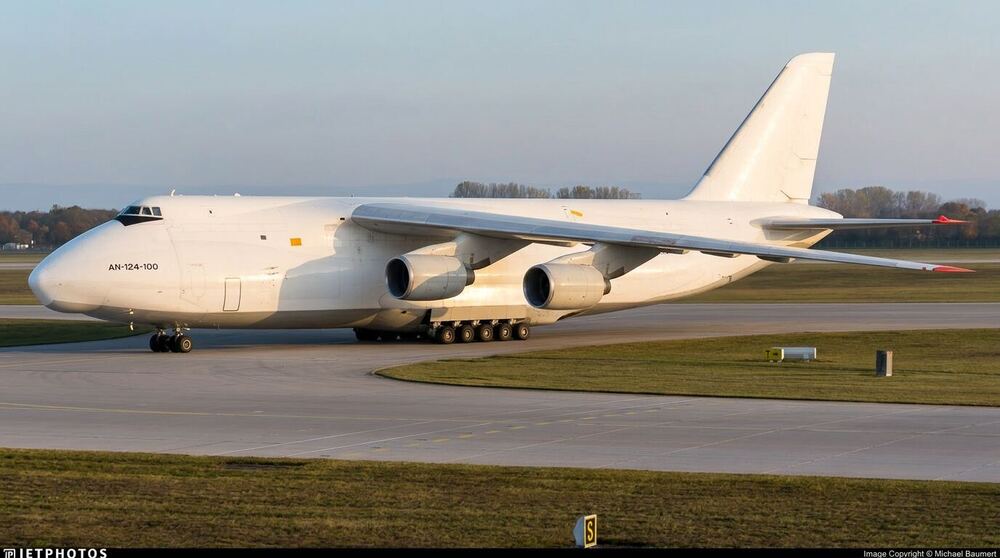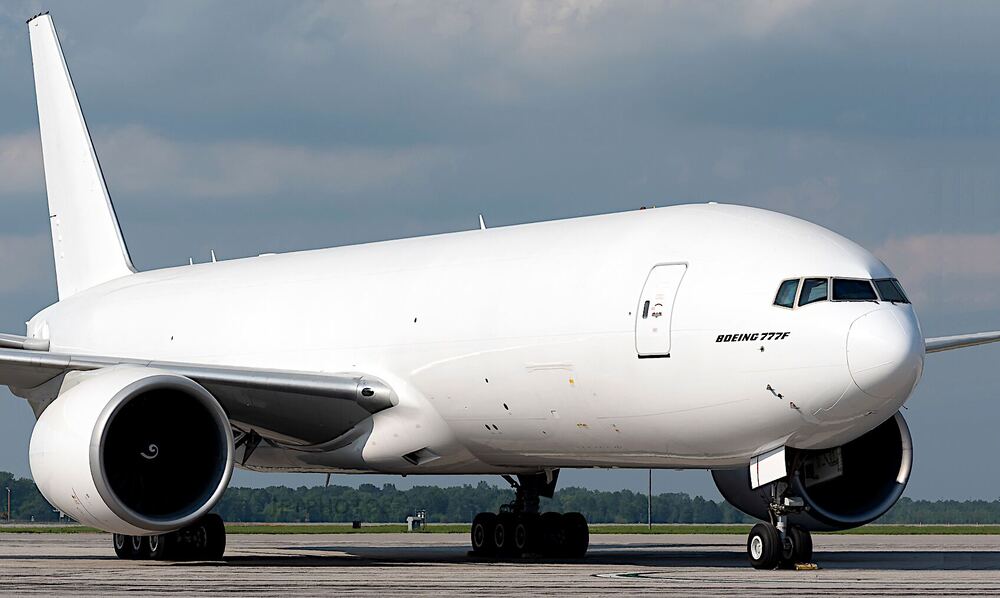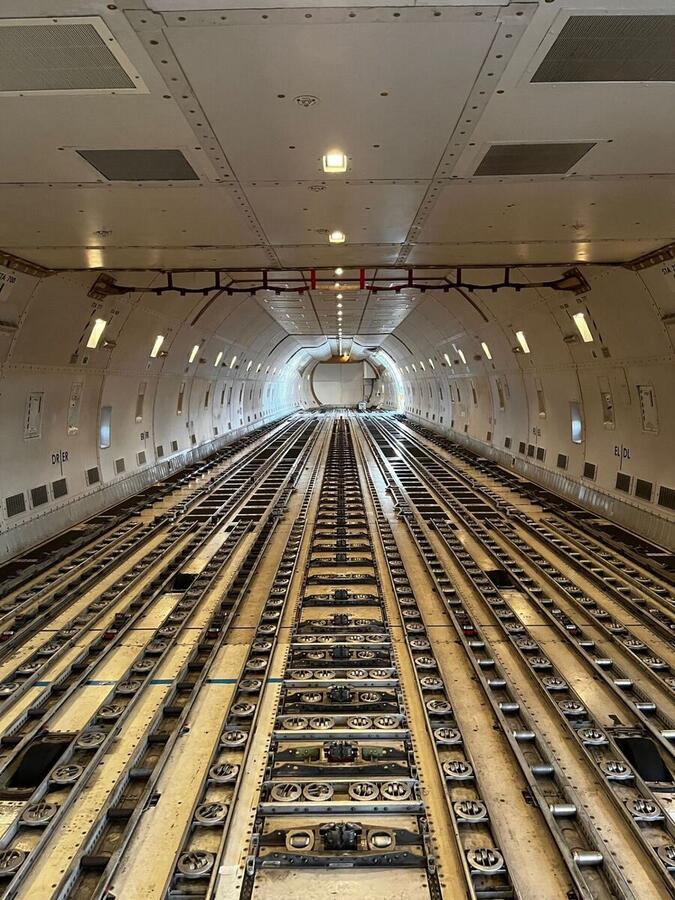
Both aircraft are nose-loading main-deck freighters from the same family, and for most consignments either will do the job. The 747-8F is the newer, longer, higher-payload development; the 747-400F is the workhorse that still makes up the larger share of the charter market. The right answer usually comes down to whether the extra capability is actually used, and which aircraft is closer to your origin.
Side by side
| Boeing 747-400F | Boeing 747-8F | |
|---|---|---|
| Approx. max payload | ~110–115 t | ~135 t |
| Main-deck pallet positions | ~30 | ~34 |
| Fuselage length | ~70.7 m | ~76.3 m (stretched) |
| Engines | Four (CF6 / PW4000 / RB211 generation) | Four (GEnx-2B, newer generation) |
| Fuel burn per tonne | Higher | Materially lower |
| Approx. range at payload | ~4,000–4,500 nm | ~4,100–4,400 nm at max payload |
| Nose door | Yes (factory freighter) | Yes |
| Charter availability | Wider, larger active fleet | Narrower, fewer airframes, tighter demand |
Approximate published figures; individual airframes vary by operator and configuration.
What the extra length buys you
The -8F's stretch adds roughly four main-deck pallet positions and a meaningful increase in usable deck volume. For bulky, low-density freight, e-commerce, aerospace structures, humanitarian relief, insulation-heavy equipment, that additional volume is the difference between one rotation and two. For dense industrial cargo, the extra 20 tonnes of payload does the same job.
If neither the volume nor the tonnage is used, the -8F's advantage disappears and the -400F becomes the more economical charter.
Fuel burn versus positioning
Per block hour, the -8F's newer engines burn noticeably less fuel than the -400F, so on a long sector it can be cheaper to operate even at a higher nominal rate. That advantage is often erased by positioning: charter pricing includes flying the aircraft to your origin and away again afterwards. A -400F sitting a short ferry from your departure airport will usually beat a -8F that must position across an ocean to reach you. This is the single most common reason the older aircraft wins a quote. See how a 747 charter is priced.
Where they behave the same
Both are factory freighters with the hinged nose door, so both accept long centreline loads that a converted freighter cannot. Both require full widebody ground handling: main-deck loaders, apron space and adequate pavement strength. Both need airfield analysis at each end before a type is committed. If nose loading is your requirement, either aircraft satisfies it.
How to choose in practice
Send the piece list, total weight, cubic volume and both airports. If the load is volume-driven and large, the -8F is worth pricing. If it is dense, or comfortably inside 110 tonnes, the -400F usually wins on total cost. If the tonnage sits well under 100 and there is no long piece, the twin-engine 777F may beat both, the 747F versus 777F comparison covers that decision, and the heavy-lift aircraft comparison covers the wider field.