There is no published rate card for cargo charter, and any figure quoted without a route is guesswork. A charter price is the cost of operating one specific aircraft, from where it currently sits, over your routing, on your dates, plus the ground and regulatory work that surrounds it. Change any one of those and the number changes materially.
That is not evasion. It is the reason charter exists: you are buying an aircraft, not a share of one. What follows is how the quote is actually assembled, so you can read one properly and compare like with like.
1. Aircraft type is the biggest single lever
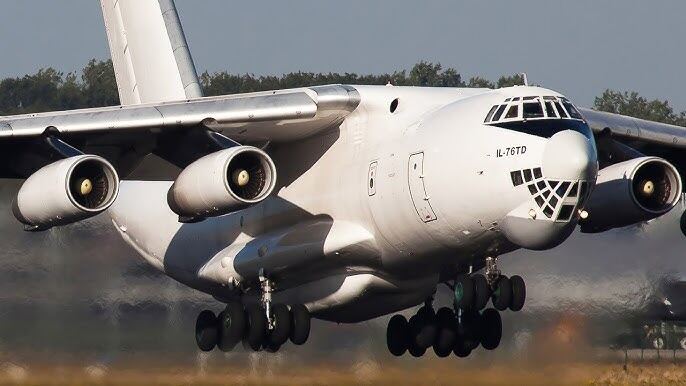
The aircraft is chosen by your payload, your largest single piece and your runway, in that order. A 20-tonne consignment of standard palletised freight may fit a narrowbody freighter such as a 737F or an ATR 72F. A 90-tonne project move needs a main-deck widebody such as a 747-400F. A single indivisible piece too tall for a widebody main deck pushes you towards an AN-124, which is a different cost class again. Chartering an aircraft larger than the cargo requires is one of the most common ways shippers overpay.
2. Positioning, the leg you did not ask for
Freighters are rarely parked where you need them. The aircraft must fly empty to your origin (positioning) and, unless it has onward work, may need to fly empty away from your destination (depositioning). On short sectors, positioning frequently costs more than the revenue leg itself. This is why the same 5-tonne Sydney–Port Moresby movement can price very differently in two consecutive weeks: it depends entirely on what aircraft happens to be in the region and what it is doing next.
Practical consequence: flexibility on the ready date, or on the departure airport, is often worth more than negotiating on the hourly rate. If a suitable aircraft is finishing work nearby two days after your preferred date, waiting can be the cheapest decision available to you.
3. Block hours, fuel and en-route costs
The core of the price is block hours, engines running, chocks off to chocks on, multiplied by the operating cost of that aircraft type. On top of that sit fuel (priced at the uplift stations, not a global average), en-route navigation charges, landing and parking fees, and technical stops where the sector exceeds the aircraft's range with your payload aboard. A fully loaded freighter often cannot fly as far as the same aircraft empty, so a payload increase can add a fuel stop and therefore hours.
4. Ground handling, loading and equipment
Main-deck freight needs main-deck loaders, and not every airport has them. Heavy or oversized pieces may need cranes, roller beds, specialised straps and chains, load-spreading materials, or an engineer's load plan. Out-of-hours handling at a smaller airport is a real line item. For oversized cargo, the loading equipment question is settled before the aircraft question, an aircraft that can carry the piece but cannot be loaded with it at your origin is not an option.
5. Permits, customs and crew
Overflight and landing permits vary from same-day to several working days depending on the states involved, and charter operations attract more scrutiny than scheduled services. Crew duty limits can require a second crew or a positioning crew for long multi-sector routings, and crew accommodation and per diems are chargeable. Dangerous goods add documentation, approvals and sometimes loading restrictions that alter the aircraft choice.
6. Timing and market conditions
Charter is a spot market. Freighter availability tightens around peak retail seasons, disaster response, major project cycles and periods when scheduled bellyhold capacity is disrupted. The same routing quoted in a quiet week and a peak week are genuinely different prices, because the aircraft's opportunity cost is different.
What a serious quote looks like
A quote worth acting on names the aircraft type, the routing including technical stops, the estimated block time, what is included (handling, loading, permits, ground moves) and what is excluded (customs duty, trucking, waiting time beyond an allowance). If a quote is a single number with no aircraft named, you cannot compare it to anything and you cannot rely on it.
What to send us
Origin and destination, gross weight, dimensions of the largest piece, number of pieces, commodity, whether it is dangerous goods, and the earliest ready date. That is enough to name an aircraft and price the mission. See what information is needed for a cargo charter quote for the full checklist.