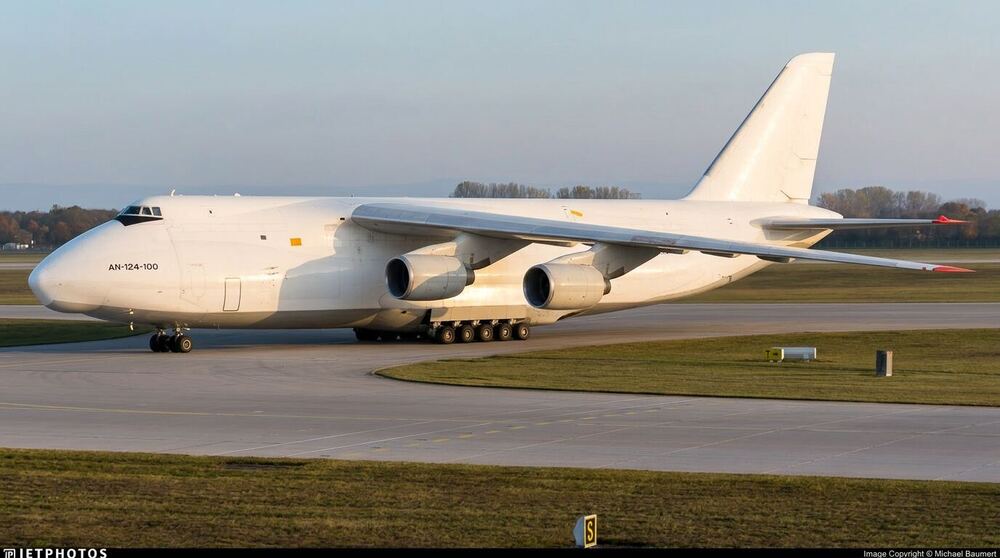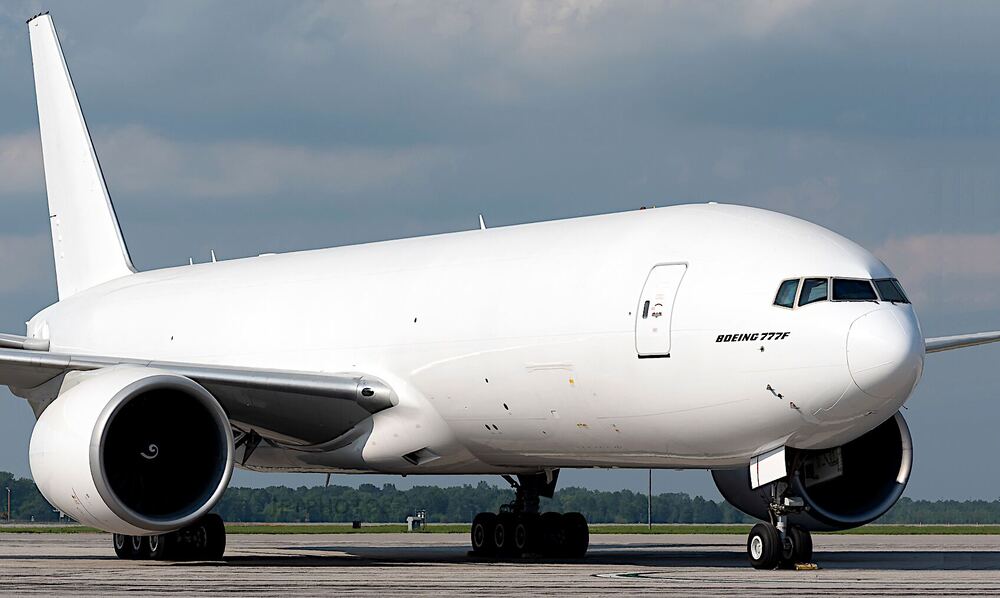
In round numbers, a Boeing 747 freighter carries between about 110 and 135 tonnes of payload depending on the variant. That single number is the least useful part of the answer, because almost no 747 charter is limited by structural payload. It is limited by fuel for the sector, by the volume the cargo occupies, or by what fits through the door.
Payload by 747 freighter variant
| Variant | Approx. max payload | Main-deck loading | Notes |
|---|---|---|---|
| 747-400F | ~110–115 t | Nose door + side door | The most widely available 747 freighter on the charter market |
| 747-400ERF | ~112–124 t | Nose door + side door | Extended-range development; more payload-range than the -400F |
| 747-8F | ~135 t | Nose door + side door | Highest payload and greatest main-deck volume of the family |
| 747-400BCF / BDSF (converted) | ~100–113 t | Side door only | Passenger-to-freighter conversions; no nose door, so piece length is limited |
Approximate structural maximums that vary by operator, airframe age and configuration. We quote against the specific aircraft offered, not a family figure.
Why the brochure number is rarely what you get
Payload and fuel share one weight budget. An aircraft at maximum structural payload has a shorter range than the same aircraft half loaded, so a long sector at high payload either needs a technical stop for fuel or a reduction in what is loaded. On a trans-Pacific leg, a 747-8F nominally rated at 135 tonnes may be planned at a materially lower figure, or with a fuel stop that adds several hours and additional landing and handling costs.
Runway length, temperature and airfield elevation also reduce the weight the aircraft can lift on the day. A hot-and-high departure or a short runway can cost tonnes of payload on an otherwise routine sector.
Most 747 charters run out of space before they run out of weight
General freight, e-commerce, aerospace parts and much project cargo are bulky rather than dense. A 747 main deck typically takes around 30 main-deck pallet positions on a -400F and slightly more on the longer -8F, plus lower-hold positions that are height limited. In practice most consignments fill the deck long before they approach 110 tonnes. See how many pallets fit on a 747 freighter for the position counts.
Density is the test. If your consignment averages under roughly 160 kg per cubic metre, expect volume to be the binding limit. If it is machinery, metals or dense industrial equipment, weight will bind first.
Nose door versus side door
Factory-built 747 freighters have the hinged nose door, which lets long pieces be loaded straight down the centreline rather than turned through a side aperture. Converted freighters (BCF and BDSF) do not. If you have a single long piece, that distinction decides the aircraft outright, the payload figure is irrelevant if the item cannot be loaded. See 747-400F versus 747-8F and the 747F versus 777F comparison.
What to send us
Total gross weight, a piece list with dimensions and individual weights, the origin and destination airports and your ready date. From that we confirm which 747 variant works, whether a smaller freighter such as the 777F is a better economic fit, and whether the sector needs a fuel stop. Full specifications for each type are in the aircraft guide.