How outsize capability works
Outsize is not a synonym for heavy. Plenty of very heavy cargo moves happily on a standard freighter because it breaks down into pallet-sized pieces. Outsize means a single piece that cannot be loaded through a conventional main-deck cargo door at all, because of length, height, width, or because it needs to be driven or winched aboard on its own wheels or a purpose-built skid.
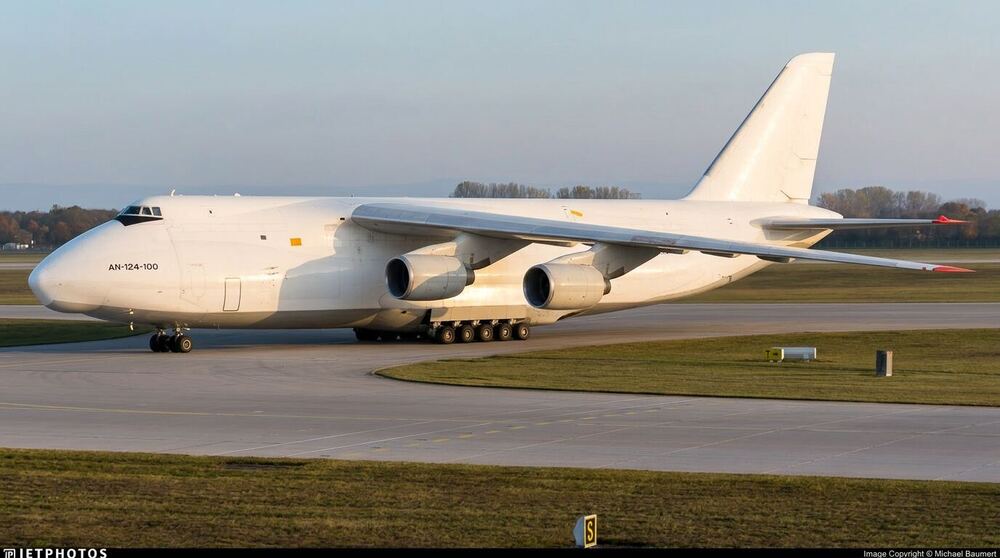
The AN-124 class exists for exactly that. Approximate maximum payload is around 120 tonnes, but the payload figure is rarely the reason it gets chartered. The reasons are the cargo hold cross-section, the front and rear ramps that allow drive-through loading, the onboard cranes and winches, and a kneeling nose gear that lowers the ramp angle so wheeled and tracked equipment can be loaded without being disassembled.
Fleet availability is genuinely limited worldwide and demand for outsize capacity is not evenly spread. That has one practical consequence for Australian shippers: outsize charter rewards early enquiry far more than standard freighter charter does. An early conversation costs nothing and preserves options; a late one narrows them.
- Approximate maximum payload, around 120 tonnes
- Loading, front and rear ramps for drive-on, drive-through and winched loads
- Onboard handling, cranes and winches reduce reliance on airport equipment
- Kneeling nose gear, shallower ramp angle for low-clearance wheeled cargo